Do You Need a Permit for Your Cleveland Home Remodel? (2026 Guide)
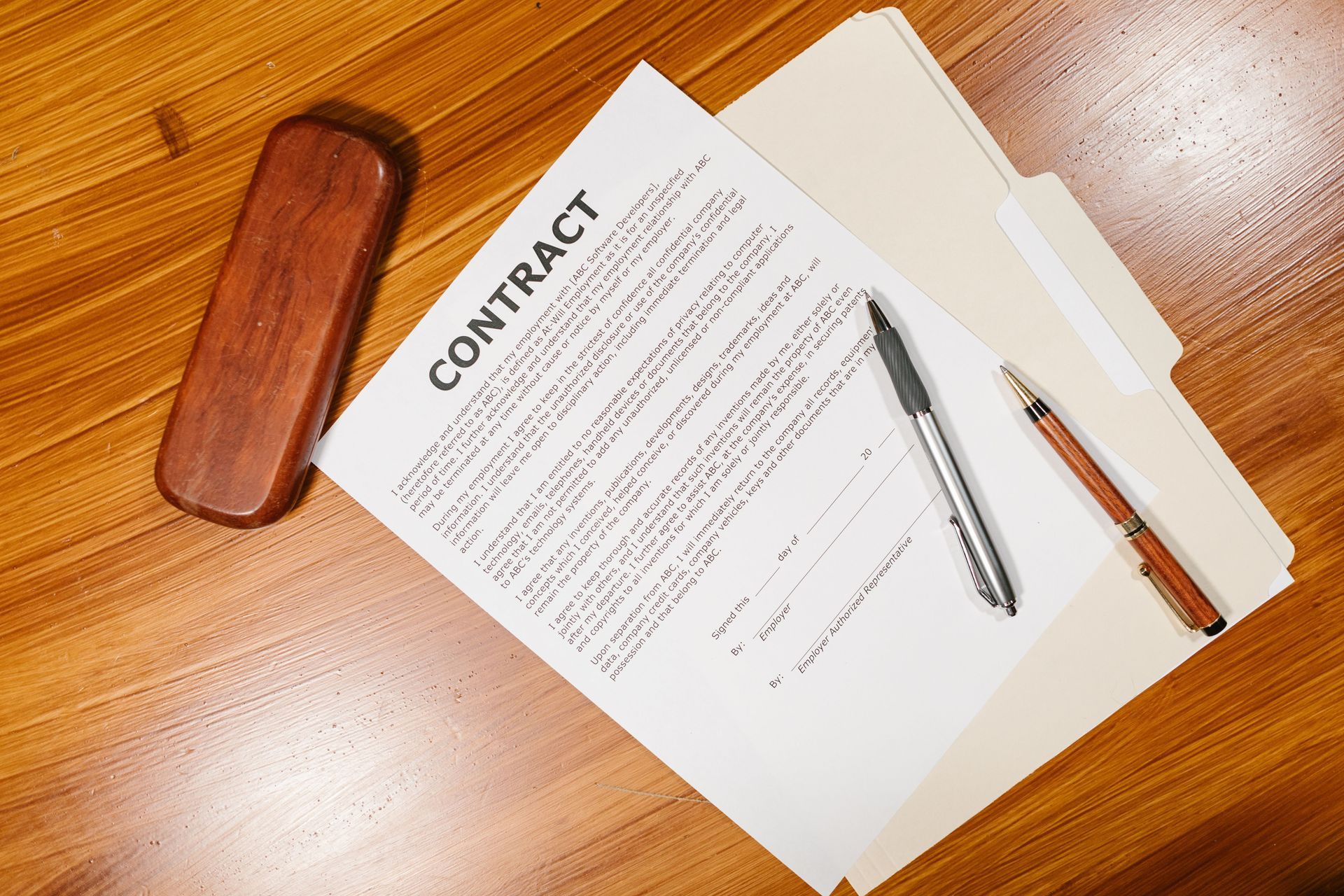
Every homeowner asks the same question before the first hammer swings: "Do I actually need a permit for this?" In Greater Cleveland, the answer depends on which city you live in, what you're changing, and whether the work touches structure, electrical, plumbing, or HVAC systems. Get it wrong and you're not just risking a fine — you're risking your ability to sell the house later without an expensive, ugly retroactive permit process.
Permitting rules matter because Cleveland and its suburbs each run their own building departments, with their own fee schedules, review timelines, and enforcement postures. A rule that applies in the City of Cleveland doesn't automatically apply in Cleveland Heights, Lakewood, or Shaker Heights. Homeowners planning a kitchen, bathroom, basement, or addition project need to know which permits their specific city requires before a contractor ever opens a wall.
This guide breaks down what actually requires a permit in Cleveland and Cleveland Heights, what typically doesn't, how much it costs, how long it takes, and what happens if you skip the process. Every fact here is sourced directly from the municipal building departments and a national housing research group — no guesswork, no generic advice recycled from a different state's code.
Why Permits Exist (And Why Skipping Them Costs More Than the Fee)
A building permit isn't a bureaucratic toll — it's a checkpoint that confirms the work meets the Ohio Building Code and Residential Code of Ohio, and it creates a paper trail that protects the homeowner. The City of Cleveland's Department of Building & Housing states its mission plainly: to "improve the lives and protect the housing values of Cleveland residents through proactive, diligent, and fair enforcement of housing and building codes" and to ensure structures are "safe, secure, and code compliant."
That protection cuts both ways. If an inspection catches faulty work, the City issues a violation notice and gives the contractor a window to correct it — and if a contractor's work fails and they won't fix it, the homeowner can recover money from the contractor's bond, but only if a permit was pulled and the contractor was registered in the first place. Skip the permit, and that safety net disappears. Unpermitted work also has a way of surfacing at the worst possible time: during a home inspection when you're trying to sell, or during an insurance claim when a carrier discovers the addition or basement finish was never on record.
There's also a compliance deadline to know about. Under Cleveland's code enforcement process, any building, housing, or zoning violation must be corrected within 30 days of notice, or the city can pursue prosecution — and in the case of condemned properties, demolition. That's not a routine remodel scenario, but it illustrates how seriously code compliance is enforced citywide.
What Requires a Permit in the City of Cleveland
The City of Cleveland's Building & Housing Department is explicit about which residential projects need a permit. According to the department's own FAQ, a permit is not needed to paint or perform minor maintenance and repairs. But a residential permit is required to:
- Reroof a home
- Apply new siding
- Install gutters, doors, or windows
- Build decks, porches, or ramps
- Finish a basement or attic
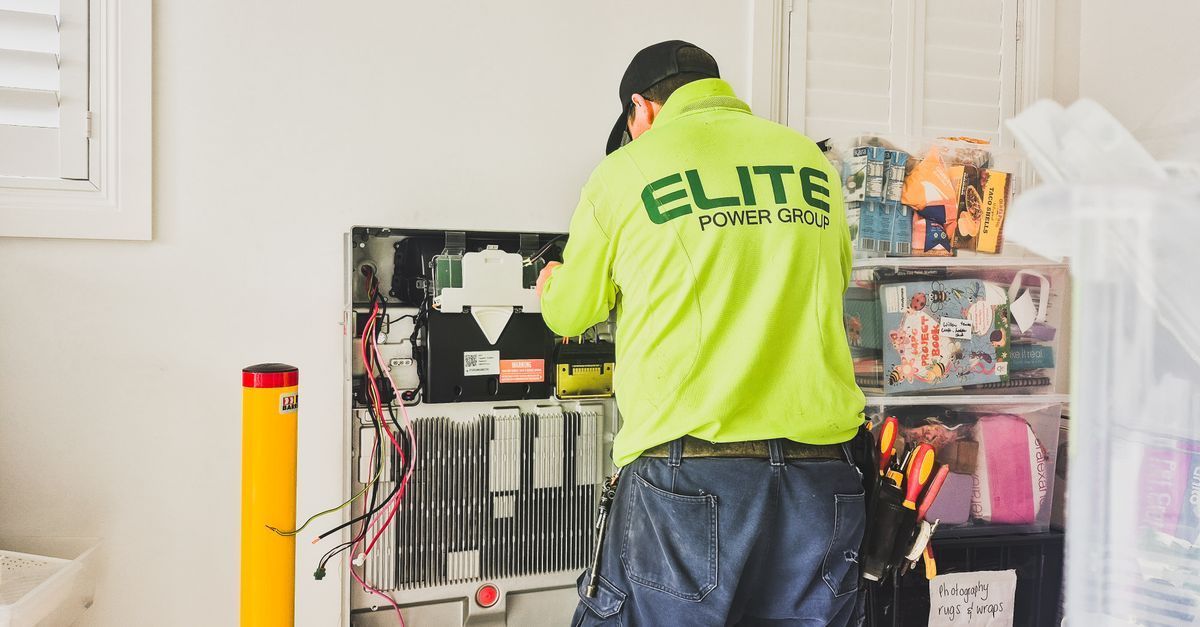
- Perform electrical, plumbing, or HVAC work
Every residential permit application also requires an Affidavit for a Homeowner's Permit, whether the work is done by a licensed contractor or by the owner-occupant directly. Cleveland does allow owner-occupants of one- or two-family homes to do their own alteration work without registering as a contractor — but they're held to the exact same permitting, plan-review, and inspection standards as a licensed contractor would be. There's no DIY loophole around code compliance.
If you're hiring a contractor, Cleveland's building department recommends calling 216-664-2910 to verify the contractor is registered with the city, and asking for copies of all permits before work begins. Contractors who build or rehab Cleveland homes must be bonded, insured, and registered, and electricians and plumbers must additionally hold a state license.
Permit Fees and Review Timelines in Cleveland
Cleveland's plan review fee structure is straightforward: $20 per 1,000 square feet of work, with a $20 minimum, for homes, garages, sheds, fences, and swimming pools. Review time depends on project complexity, but for one- and two-family homes, the City states that plan review is typically completed in three to five working days. More complex projects — additions, structural alterations, anything touching egress or load-bearing elements — take longer and route through additional review by Zoning, Planning, and sometimes Landmarks, depending on the neighborhood.
Inspections happen at defined checkpoints: after foundation excavation and before pouring concrete, after rough-in and before concealing any work behind drywall, and again at project completion. Scheduling those inspections is the responsibility of the contractor or DIY homeowner — the City doesn't do it automatically.
How Cleveland Heights and Other Suburbs Differ
Move a few miles east into Cleveland Heights, and the permit list looks familiar but not identical. Cleveland Heights' Building Department requires permits for most construction activity except minor repairs and exterior or interior painting — but its list explicitly includes concrete or asphalt work (including driveway resurfacing), window replacement, new siding beyond small patch repairs, decks, and new or rebuilt steps, in addition to the usual electrical, plumbing, HVAC, and structural categories.
Cleveland Heights also layers in a design-review step that Cleveland's process doesn't have in the same form: the Architectural Board of Review (ABR). Any project that changes the exterior look of a property — new construction, exterior alterations, even some signage — needs ABR approval before a permit can be issued. That's a meaningful timeline consideration for additions and full exterior remodels in Cleveland Heights specifically.
The enforcement stakes are also spelled out clearly: if a Cleveland Heights permit isn't obtained before work starts, the city can issue a Stop-Work Order or Violation Notice, fees double, and repeat offenders can receive a court summons. That's a direct financial argument for pulling the permit first rather than asking forgiveness later.
The broader pattern across Cuyahoga County is important to understand: if your property sits inside an incorporated city or village — Cleveland, Cleveland Heights, Lakewood, Shaker Heights, Rocky River, Westlake, and so on — permitting and inspections are handled by that municipality's own building department, not by the county. The county-level building department only has direct jurisdiction in unincorporated areas. Practically, that means the specific rules, fees, and review times for your project depend entirely on which city you're in — there's no single "Cuyahoga County" permit process that applies uniformly to every remodel.
What Typically Does NOT Require a Permit
Homeowners often over-assume how much needs a permit, which causes needless delays. Cleveland Heights' Home Repair Resource Center — a nonprofit housing organization based in Cleveland Heights — publishes a plain-language answer to "when does a repair need a permit?" Their guidance, consistent with what both the City of Cleveland and Cleveland Heights building departments state directly, is that permits generally are not required for:
- Painting (interior or exterior)
- Gutter and downspout installation
- Tuckpointing
- Sidewalk leveling
- Asphalt sealing (as opposed to resurfacing, which does require one)
- Minor repairs, such as like-for-like fixture replacement that doesn't touch structure or systems
The distinction that trips people up most often: replacing a window pane or patching a small section of siding is typically fine without a permit, but a full window unit replacement or a full siding job is not. The line is "repair" versus "replace/alter," and it's worth confirming with your specific city's building department before assuming a project is minor. This is also why a project like planning a kitchen remodel should start with a permit scope conversation, not just a design conversation — the permit requirements shape the timeline as much as the design does.
Why This Matters More in 2026: Remodeling Spending Is Rising Again
Permit compliance isn't just a local paperwork issue — it sits inside a national remodeling market that's picking back up after two years of contraction. According to the Harvard Joint Center for Housing Studies' Leading Indicator of Remodeling Activity (LIRA), annual spending on home improvements and repairs is projected to grow 2.1% year-over-year in the middle of 2026 before easing to 1.6% growth by year-end, with total U.S. homeowner improvement spending expected to reach $518 billion by the end of 2026. The Center notes that single-family home sales and permitting activity have "picked up modestly from very low levels," which is itself a signal that more homeowners are moving projects — and permit applications — forward this year after a slower stretch.
For Greater Cleveland homeowners, that translates to a practical reality: building departments that were seeing lighter volume in 2024–2025 may see application queues pick back up in 2026. Submitting a complete, correctly-documented permit application the first time — rather than getting bounced back for missing plan details — matters more when review staff have more applications to process.
A Practical Permit Checklist Before You Hire a Contractor
1. Confirm your specific city's requirements first
Don't assume Cleveland's rules apply in Cleveland Heights, Lakewood, or any other suburb — each municipality runs its own building department with its own list of what needs a permit and its own fee schedule.
2. Verify your contractor is registered and licensed
In Cleveland, that means calling the city to confirm registration; electricians and plumbers need a state license on top of city registration. Ask for permit copies before work starts, not after.
3. Budget for plan review fees and timeline
Cleveland's plan review runs $20 per 1,000 square feet (minimum $20), with a three-to-five business day turnaround for straightforward one- and two-family home projects. More complex work — additions, structural changes — takes longer.
4. Know your inspection checkpoints
Expect at least three inspection touchpoints on a permitted project: after excavation, after rough-in (before drywall goes up), and at final completion. Scheduling them is on you or your contractor, not automatic.
5. Understand the cost of skipping the process
In Cleveland Heights specifically, working without a required permit means doubled fees at minimum, plus the possibility of a Stop-Work Order or court summons for repeat noncompliance. In Cleveland, unpermitted work also forfeits the homeowner's ability to draw on a contractor's bond if something goes wrong.
At CLE Remodeling Co, every kitchen remodel, bathroom remodel, basement finish, and home addition we take on in Cleveland and its suburbs starts with confirming exactly which permits the project needs in that specific municipality — before any demo begins. Larger scopes that combine several of these categories fall under our whole-house renovation process, where permit sequencing across trades becomes its own project-management challenge. If you're planning a project and want to know what permitting will look like for your address, our team can walk you through it as part of a free quote.
Frequently Asked Questions
Do I need a permit to remodel my kitchen in Cleveland?
It depends on the scope. A kitchen remodel that involves electrical, plumbing, or structural changes (like removing a wall) requires a permit under Cleveland's building code. Cosmetic-only updates — new paint, new hardware, swapping a like-for-like fixture — generally do not. Kitchen remodels almost always involve at least one of the permit-triggering categories, since most kitchen remodels touch plumbing or electrical at minimum.
Do I need a permit to finish my basement in Cleveland or Cleveland Heights?
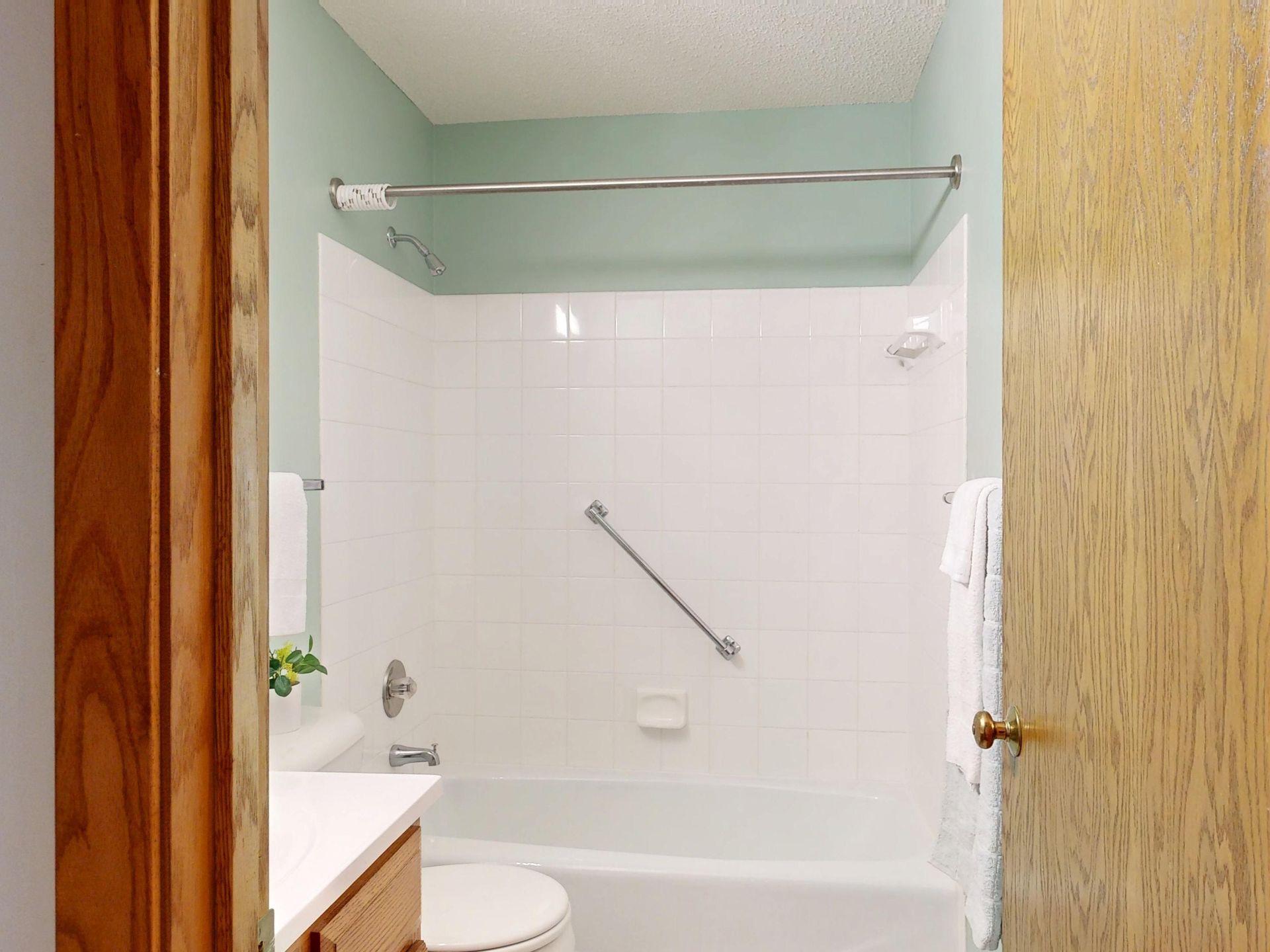
Yes. The City of Cleveland's Building & Housing Department explicitly lists finishing a basement as requiring a residential permit, and the same applies in Cleveland Heights under its general construction-activity permit requirement. This is one of the most commonly missed permits, since basement finishing can feel like "just adding drywall" — but it typically involves electrical and sometimes HVAC work that triggers the requirement. Homeowners weighing the investment should also see our basement finishing cost guide for how permit fees factor into the total project budget.
How much does a residential building permit cost in Cleveland?
Cleveland's plan examination fee is $20 per 1,000 square feet of work, with a $20 minimum, for homes, garages, sheds, fences, and swimming pools. This is the plan review fee specifically; total permit costs can include separate trade permits for electrical, plumbing, or HVAC work depending on project scope.
What happens if I skip the permit process?
In Cleveland Heights, working without a required permit means fees double and repeat noncompliance can result in a Stop-Work Order, a Violation Notice, or a court summons. In the City of Cleveland, skipping the permit also means forfeiting the protection of a contractor's bond if the work later turns out to be faulty, since that protection is tied to a properly permitted, inspected project.
Can I pull my own permit and do the work myself?
In the City of Cleveland, owner-occupants of one- or two-family homes can perform alterations or build without registering as a contractor, but they're subject to the exact same permit, plan review, and inspection requirements as a licensed contractor. An Affidavit for a Homeowner's Permit is required with the application.
Sourcing your remodel's permits correctly the first time keeps your project on schedule and protects your investment when it's time to sell or file an insurance claim. If you're weighing a project in Cleveland, Cleveland Heights, or anywhere in Greater Cleveland, reach out to CLE Remodeling Co — we'll tell you exactly what permitting looks like for your address before you commit to a scope or a budget.