Basement Waterproofing Cost in Cleveland, Ohio: 2026 Guide | CLE Remodeling Co.
What Basement Waterproofing Costs in Cleveland, Ohio (2026 Pricing)
There isn't one number that answers "what does basement waterproofing cost," because the honest answer depends entirely on where the water is coming from and how it's being stopped. A basement with a hairline crack and some seasonal dampness needs a very different (and much cheaper) fix than one with water actively pushing through the foundation wall after every heavy rain. Before you call around for quotes, it helps to understand the two basic categories contractors work in, and what Cleveland-area pricing actually looks like for each.
Interior Waterproofing Methods
For basements where water is seeping through walls or the slab rather than pushing in from outside, interior fixes are usually the lower-cost option. Based on cost data compiled from Cleveland-area jobs by homeyou, an interior drainage system runs around $1,699, waterproofing sealant coatings cost roughly $4 to $8 per square foot, and epoxy crack injection starts near $1,561 for a single foundation crack. These methods manage water once it is already inside the basement rather than stopping it at the source outside, which is why they're less expensive but don't always solve a serious exterior drainage problem on their own.
Exterior Waterproofing Methods
Exterior waterproofing means excavating around the foundation, cleaning and repairing the wall, applying a waterproof membrane, and installing new drainage at the footing. It's the more thorough fix, and the price reflects that. Adelio's Contracting, a waterproofing contractor serving the Cleveland area, puts full exterior projects at roughly $8,000 to $25,000 or more, depending on the home's perimeter, foundation depth, and how accessible the site is for equipment. Homeyou's Cleveland cost data shows an even wider range for full perimeter excavation and new drain installation from around $20,000 up to $30,000, and as high as $80,000 on jobs with difficult access or extensive landscaping that has to be restored afterward. The spread between these figures comes down to how much of the foundation has to be dug up and how hard it is to get equipment back there.
Interior vs. Exterior: Which Does Your Foundation Need?
The two methods solve different problems, and picking the wrong one is the single most common way homeowners waste money on waterproofing. Interior systems are built to manage water after it enters they collect it in a drain and pump it back out, or they seal the surface you can see. Exterior systems are built to keep water from reaching the foundation wall in the first place, which matters more when the wall itself has failed coating, active cracks, or bowing.
A contractor who inspects the basement in person, not a phone estimate, is the only reliable way to know which category your home falls into. If you're already planning a basement remodeling project in Cleveland, this diagnosis should happen before any framing or drywall goes in, since finishing over an unresolved water problem just hides it until it's more expensive to fix.
Why Cleveland's Soil and Climate Make This a Local Issue
Basement water problems aren't random they're heavily shaped by what's in the ground and what the weather does to it. Northeast Ohio has heavy clay soil across Cuyahoga, Lake, and Lorain counties, according to Adelio's Contracting, and clay holds water against a foundation wall far longer than sandy or loamy soil drains it away. That extended contact with moisture is a big part of why waterproofing comes up so often for homes in and around Cleveland.
The city's own building requirements reflect how much local climate factors into foundation work. Per the City of Cleveland's published climatic and geographic design criteria, footings must be a minimum of 42 inches below finish grade specifically to get below the frost line, and the city rates local conditions as "severe" for weathering damage. A foundation built or repaired without accounting for that frost depth is more exposed to the freeze-thaw cycles that crack concrete and open up new paths for water over time.
Cleveland's Permit and Inspection Rules for Waterproofing Work
Waterproofing isn't a quiet weekend project in Cleveland the city treats excavation around a foundation as an inspected step, not something you can button up on your own timeline. According to the City of Cleveland Department of Building and Housing, plan review for home projects costs $20 per 1,000 square feet of work with a $20 minimum, and review typically takes three to five working days for one- and two-family homes.
More specific to waterproofing: the same city permit resources cited above call for an inspection before backfilling for waterproofing and drain tile. That means the excavated trench has to stay open for a Building and Housing inspector to see the completed work before it gets covered back up. Skipping that inspection is one of the more common ways a homeowner ends up with an unpermitted repair one that can surface as a problem during a home sale years later, even if the waterproofing itself was done well.
One more detail worth knowing before you schedule anything: the city's own guidance warns that a "Useless Trip Fee" gets assessed whenever an inspection appointment is booked and the site isn't actually ready for the inspector. A contractor experienced with Cleveland's permitting process will know how to time that inspection so it doesn't turn into an extra bill.
Signs Your Cleveland Basement Needs Attention
Not every damp basement needs a full exterior excavation. But a few signs are worth taking seriously before they turn into a bigger repair:
- Efflorescence — the white, chalky mineral deposits left on foundation walls after water evaporates through the concrete.
- Musty odor or visible mold — especially along the bottom of walls or behind stored boxes and furniture.
- Water stains or active seepage after heavy rain or spring snowmelt, particularly along the wall-to-floor joint.
- Cracks in the foundation wall wider than a hairline, or cracks that are actively growing.
- A sump pump that runs constantly during wet weather, which usually means more water is reaching the foundation than the system was designed to handle.
Any of these on their own doesn't necessarily mean a five-figure project. But ignoring them tends to turn a manageable interior fix into a more involved exterior one.
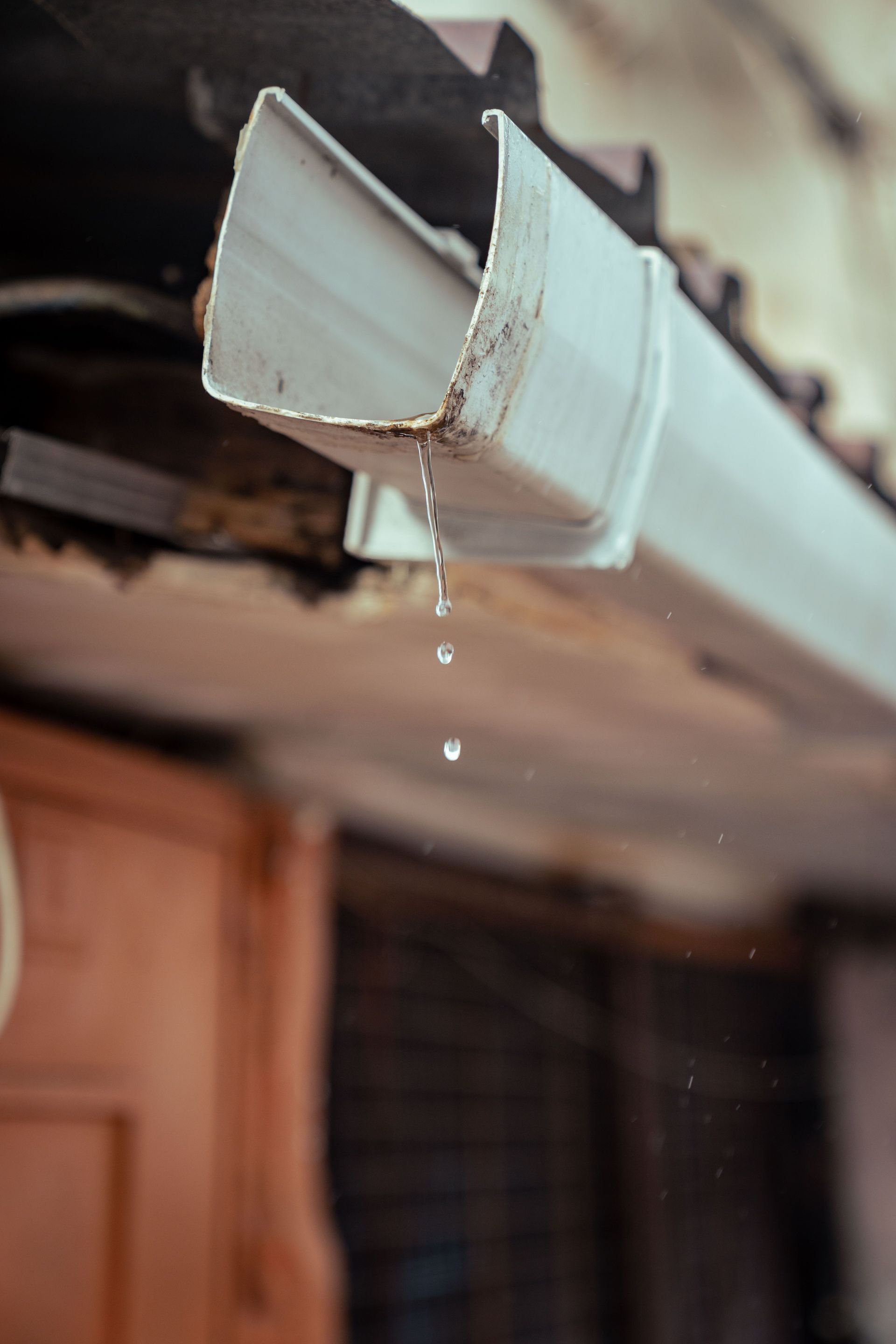
Before calling a specialist, it's worth ruling out the cheapest and most common culprits first. Grading that slopes toward the foundation instead of away from it, clogged gutters, and downspouts that dump water within a few feet of the house are responsible for a large share of "basement leak" calls that turn out to have nothing to do with the foundation itself. Extending downspouts, regrading a low spot along the wall, and keeping gutters clear are inexpensive fixes that sometimes solve the problem before any excavation is needed and a contractor worth hiring will tell you if that's the case rather than selling a bigger job than you need.
Waterproofing Comes Before You Finish the Space
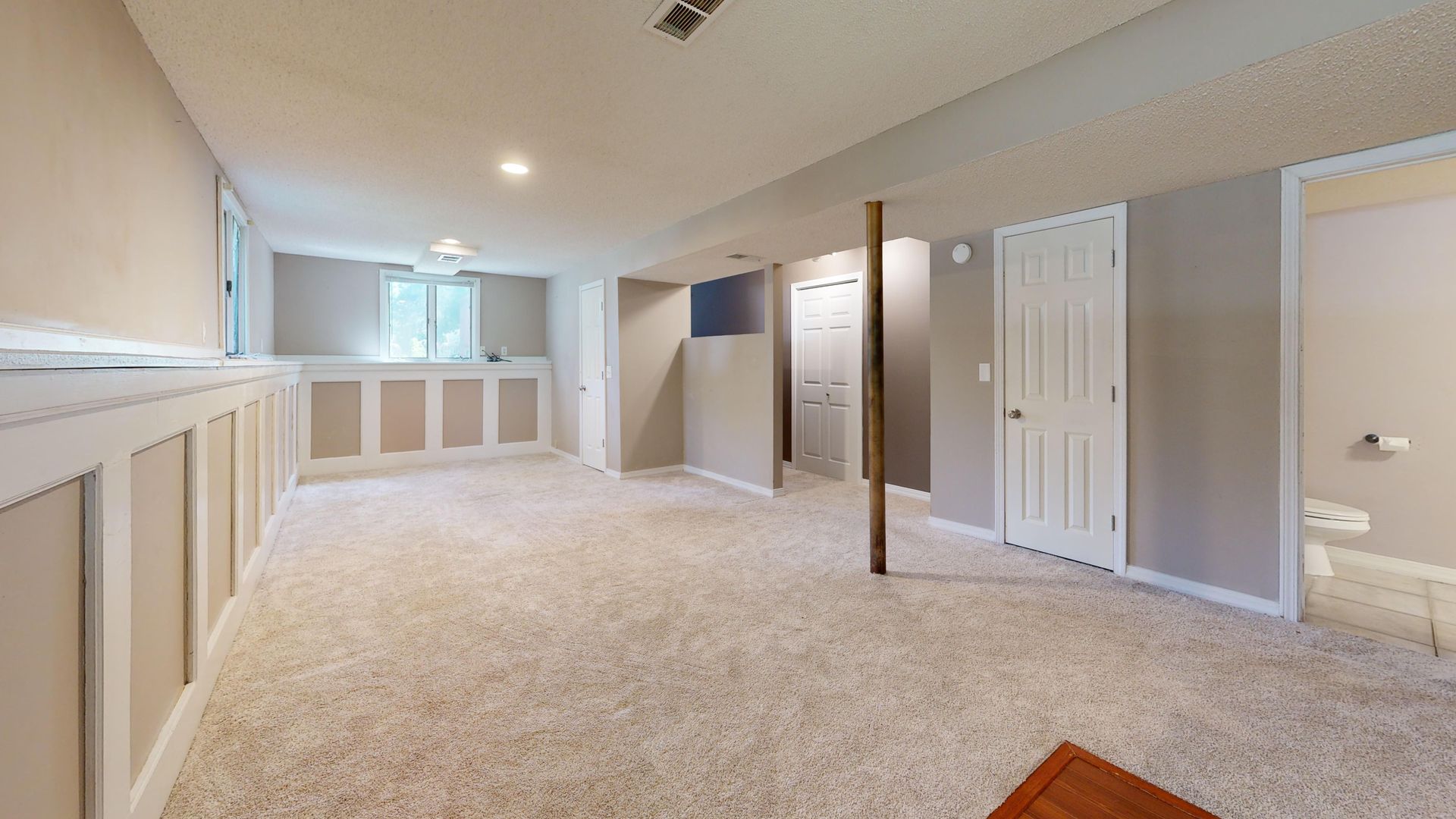
This is the part homeowners planning a basement remodel run into most: waterproofing and finishing are sequential, not simultaneous. Framing, drywall, flooring, and electrical work all assume a dry foundation. Finish over a wall that's still taking on moisture, and the drywall, insulation, and flooring you just paid for will be the first things to fail.
Todd Wallace and the CLE Remodeling Co. team have been renovating Cleveland homes for over 20 years, and basement remodeling is one of the projects they handle most turning underused space into a family room, home office, or guest suite once the foundation is confirmed sound. If your basement has active water issues, that gets resolved by a waterproofing specialist first; once it's dry, a finishing plan can move forward with confidence instead of guesswork. You can see examples of finished Cleveland basements the team has completed, and read what local homeowners say about working with them. For a larger project that goes beyond the basement, they also handle whole-home renovations across Greater Cleveland, and basement plans that include a full bath are coordinated with their bathroom remodeling work.
Planning a basement project and not sure whether you're dealing with a waterproofing issue or you're ready to finish the space? CLE Remodeling Co. offers consultations to help Cleveland homeowners figure out the right next step.
Frequently Asked Questions
How much does basement waterproofing cost in Cleveland?
It depends on the method. Interior fixes like sealants or drainage systems typically run from around $1,500 to a few thousand dollars, while full exterior excavation and membrane waterproofing typically runs $8,000 to $25,000 or more, and can reach $30,000+ on larger or harder-to-access homes, per Cleveland-area contractor and cost-aggregator data cited above.
Do I need a permit for basement waterproofing in Cleveland?
Exterior excavation work generally requires a permit and an inspection before backfilling, per the City of Cleveland Building and Housing Department. Interior-only work, like sealant application, is less likely to trigger a permit requirement, but it's worth confirming with the city or your contractor before work begins.
Is interior or exterior waterproofing better?
Neither is universally "better" ; they solve different problems. Interior systems manage water after it enters; exterior systems stop it before it reaches the foundation wall. A contractor who inspects your specific basement in person is the only reliable way to know which one your home needs.
Should I waterproof before or after finishing my basement?
Before. Framing, insulation, drywall, and flooring all assume a dry foundation. Finishing over an unresolved water issue typically means redoing that work once the moisture problem shows up again.