Asbestos in Pre-1980 Cleveland Homes: What to Know Before You Remodel | CLE Remodeling Co.
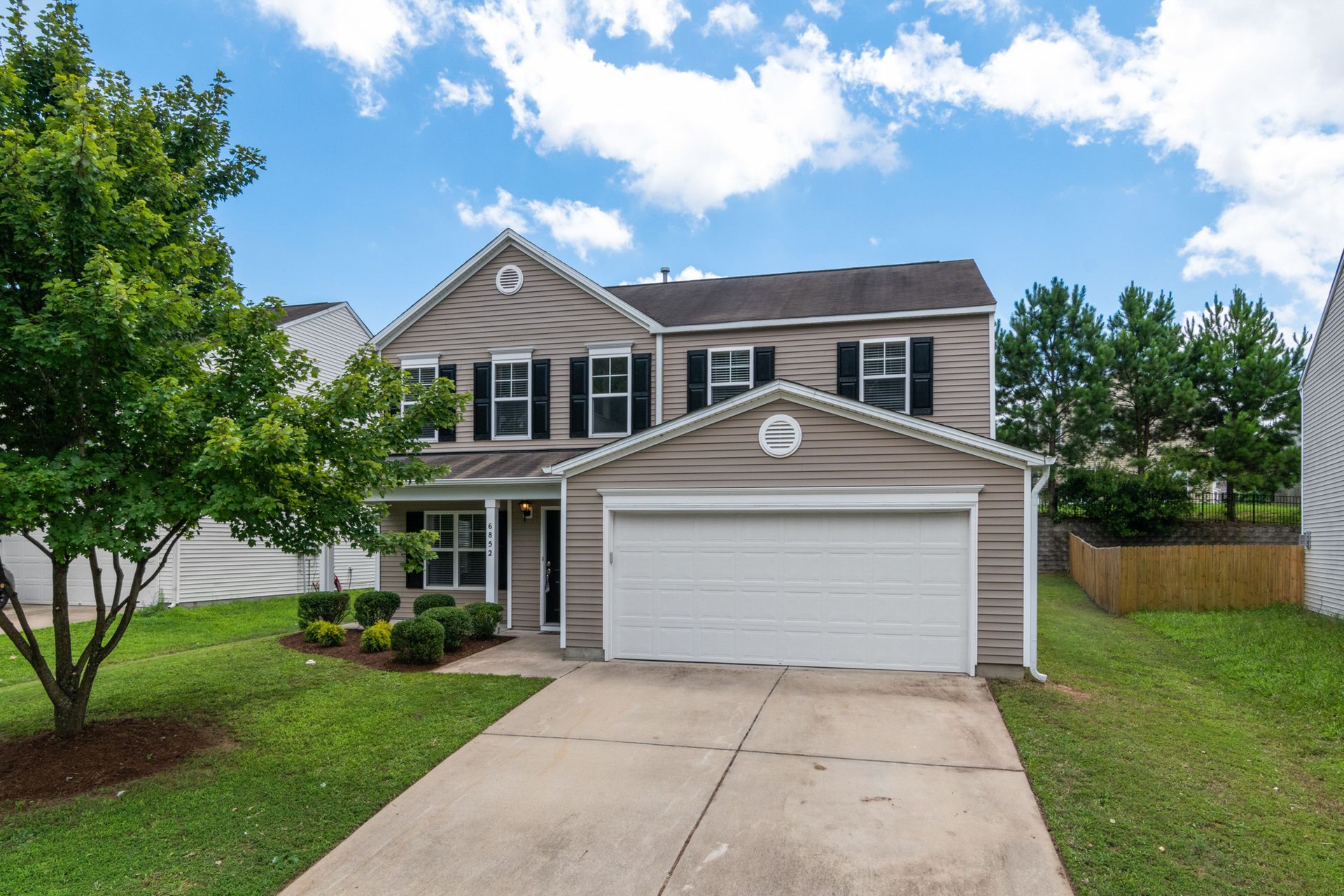
If your Cleveland home was built before 1980, there's a real chance it's holding onto more than character and craftsmanship. Vermiculite attic insulation, 9x9 floor tile and its black mastic, pipe wrap in the basement, even old siding shingles all of it was made with asbestos well into the late 1970s, and a lot of it is still sitting behind the walls of Cleveland Heights bungalows, Tremont doubles, and Lakewood colonials today. It's not something to panic about. It's something to plan around.
At CLE Remodeling Co., we've been opening up older Greater Cleveland homes since 2005, and asbestos-era materials show up often enough that we build the check into how we scope a job right alongside the knob-and-tube wiring and galvanized pipes and radon we also flag in pre-1980 houses. Here's what asbestos actually means for your remodel: where it hides, what the rules require, and how to keep a legal, safety, or budget surprise from derailing your project.
Why Pre-1980 Cleveland Homes Are More Likely to Have Asbestos
Asbestos was a standard construction material for most of the 20th century because it was cheap, fireproof, and durable not because manufacturers were hiding anything. It went into insulation, flooring, cement siding, and hundreds of other building products, and its residential use was widespread from the 1920s through the late 1970s, before health concerns pushed regulators to start restricting it. That's the cutoff home inspectors and environmental consultants across Greater Cleveland use: any house built before 1980 is treated as a candidate for testing before renovation work begins.
Cleveland's housing stock skews older than the national average, which is exactly why this comes up so often on our jobs in neighborhoods like Ohio City, Tremont, Shaker Heights, and the older sections of Lakewood and Cleveland Heights. A home doesn't need to look dated for this to apply a fully updated kitchen can still sit above original floor tile, or a finished basement can still have its original pipe wrap tucked behind a drop ceiling.
Where Asbestos Commonly Hides During a Remodel
You can't tell asbestos-containing material apart from ordinary building material just by looking at it, but there are specific spots worth flagging before demolition starts on an older home:
- Vermiculite attic insulation — loose, pebble-like insulation poured between joists, common in homes built before 1980
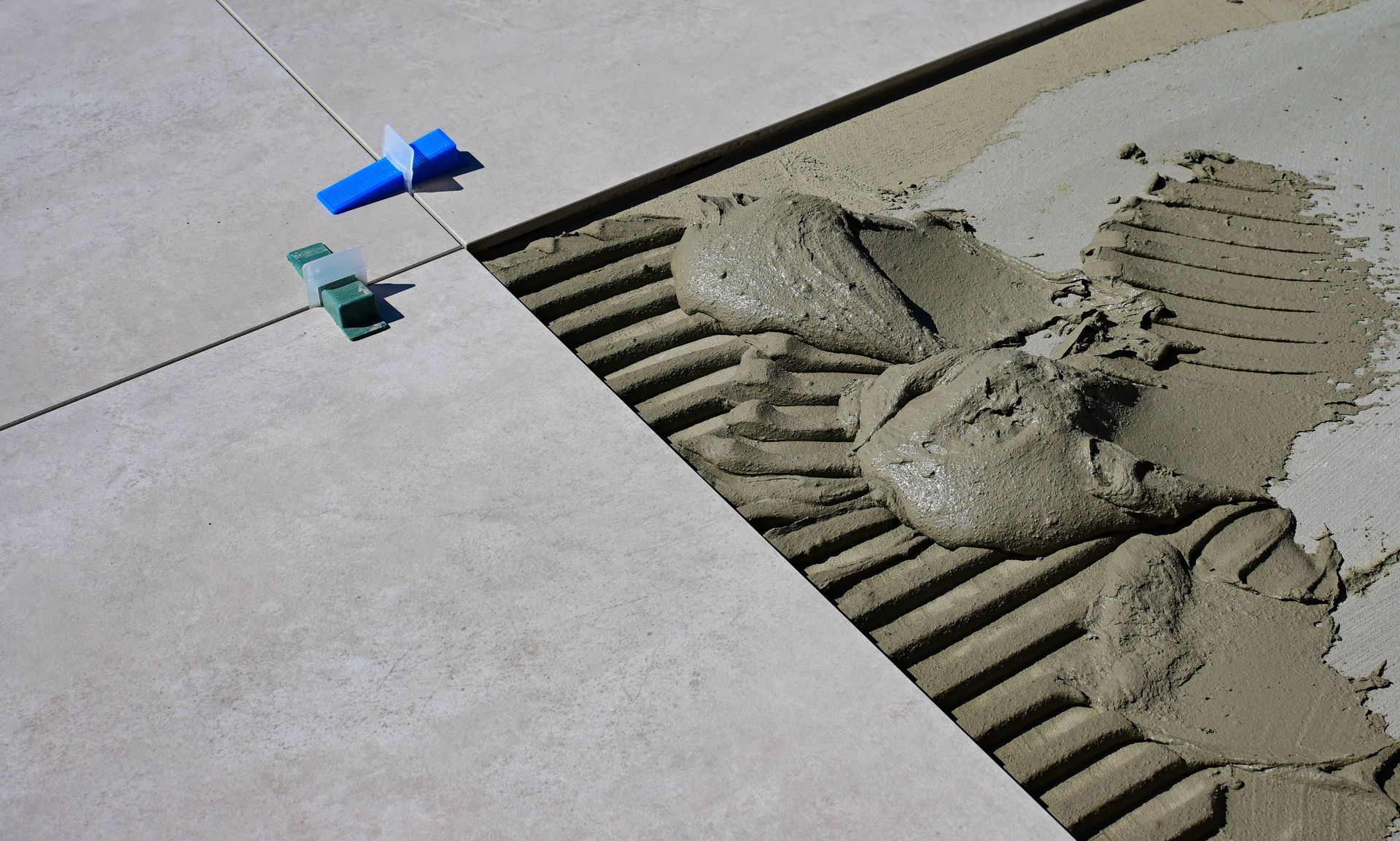
- 9x9 or 12x12 floor tile and its black mastic adhesive — frequently found under carpet or newer flooring in kitchens, bathrooms, and basements
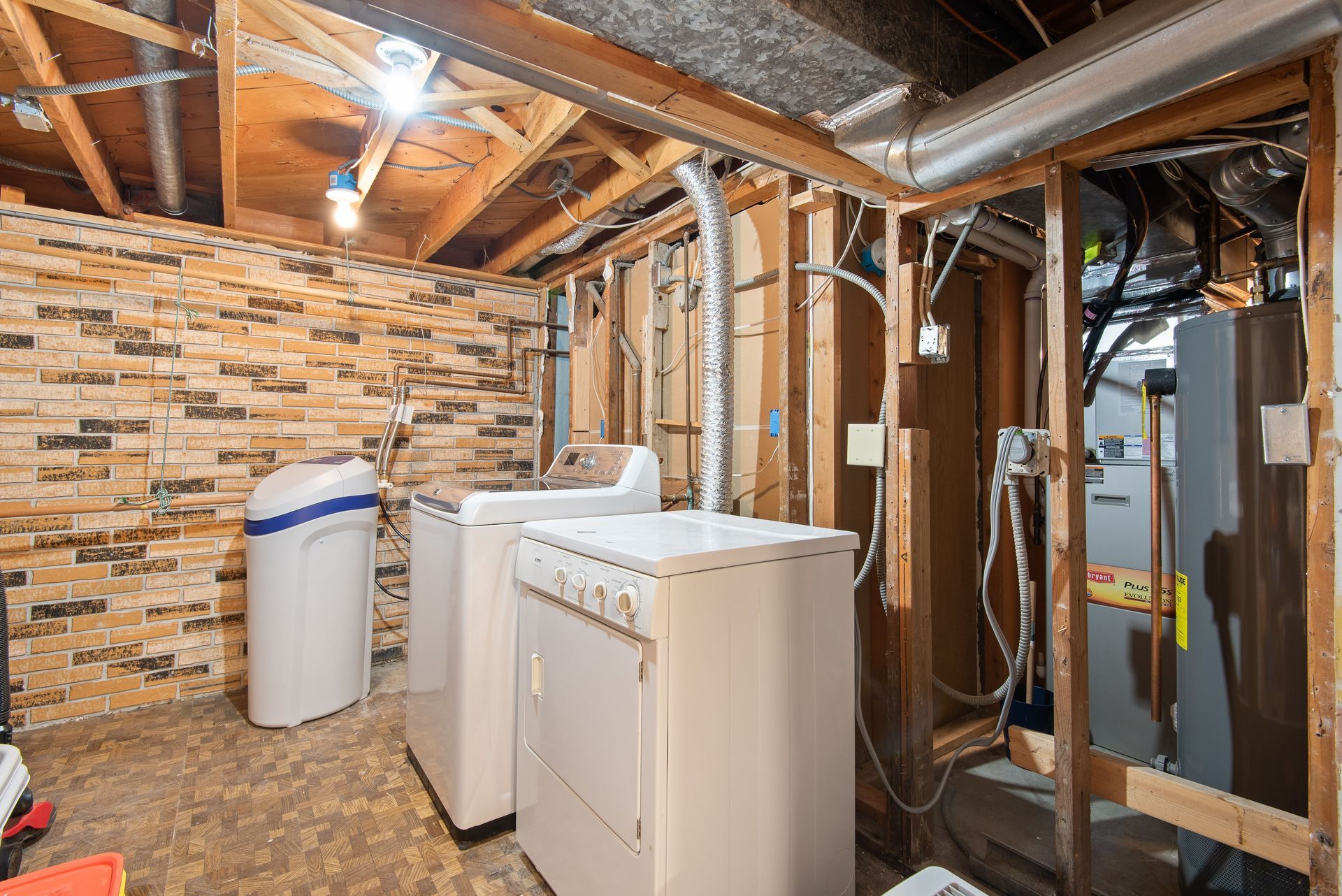
- Pipe wrap and boiler insulation — the fabric-wrapped or corrugated coating on old heating pipes and ductwork in basements
- Textured "popcorn" ceilings — sprayed-on ceiling texture applied through the 1970s
- Cement or asphalt siding shingles — older exterior siding and roofing materials on original-condition homes
- Joint compound and drywall texture — some products used into the late 1970s and occasionally later
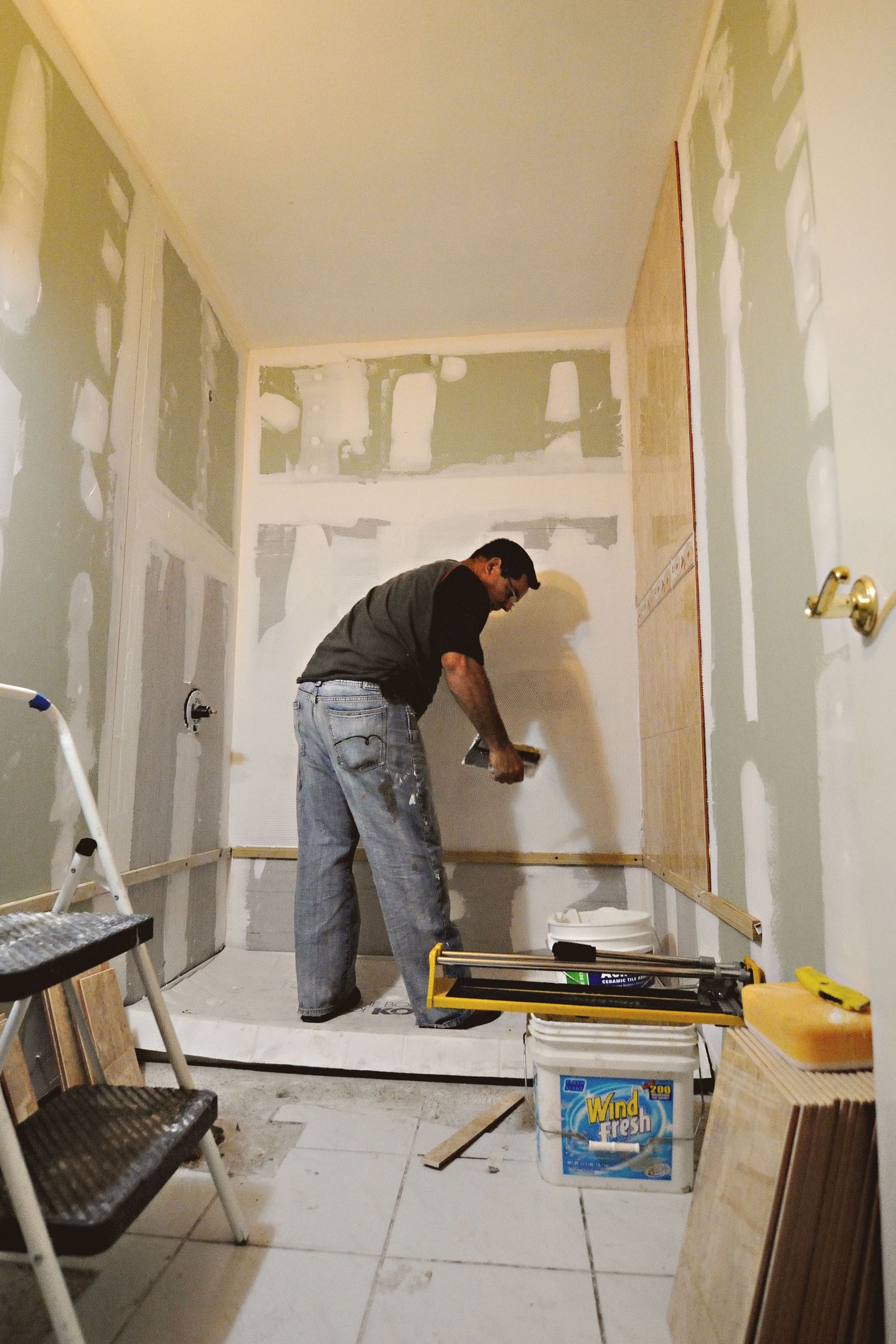
None of this is dangerous simply by existing in your house. The risk comes from disturbing it — cutting, sanding, drilling, or demolishing it releases fibers into the air. That's the entire reason this matters for a kitchen remodel or bathroom remodel where old flooring is coming out, or a basement remodel where pipe insulation might get bumped during framing.
What Federal Rules Require Before You Disturb It
Asbestos work is governed at two levels. The EPA's asbestos NESHAP regulations(National Emission Standards for Hazardous Air Pollutants, under the Clean Air Act) set work-practice and inspection requirements for demolitions and renovations but the EPA's own rule explicitly excludes residential buildings with four or fewer dwelling units from its facility notification requirement. In plain terms: a typical single-family remodel in Cleveland generally isn't filing federal paperwork before the work starts.
That exclusion doesn't mean the material itself is unregulated once someone is actually working with it. OSHA's asbestos standards apply to any workers on the job, in any type of building, whenever asbestos-containing material is disturbed. OSHA is direct about the risk: there is no safe level of asbestos exposure, and exposures as short as a few days have been linked to mesothelioma. That's the standard your remodeling contractor and any subcontractors are working under, regardless of whether the house is a single-family home or a four-unit building.
Ohio's Own Asbestos Rules Add a Layer Cleveland Homeowners Shouldn't Skip
Ohio doesn't just default to the federal exclusion. The Ohio EPA's asbestos program administers its own rules under Ohio Administrative Code 3745-20 (emission control) and 3745-22 (licensing), and the licensing side is the part that matters most for a homeowner: under OAC 3745-22, only an Ohio-licensed asbestos abatement contractor can legally remove regulated asbestos-containing material, full stop that requirement doesn't hinge on whether the building is a single-family home or a commercial facility.
Separately, when a project does cross into facility/abatement notification territory, Ohio EPA's own guidance sets the trigger at disturbing more than 50 square feet or 50 linear feet of regulated asbestos-containing material, and requires the notification to be filed at least 10 working days before the work begins. Most residential remodels involving a small area of old tile or a section of pipe wrap won't hit that threshold, but it's exactly the kind of detail that catches homeowners off guard when a "quick" tear-out turns out to be bigger than planned.
Why Testing Matters Even for "Small" Remodel Projects
It's tempting to assume this only applies to big, structural jobs. In practice, some of the highest-risk moments are small ones: pulling up a section of old tile to see what's underneath, cutting into a wall to run new wiring, or ripping out a section of basement ceiling before a whole-house renovation. Any of those can disturb material that's been sitting undisturbed and therefore harmless for decades.
Testing before demolition starts is the only way to know what you're actually dealing with. A sample gets sent to an accredited lab, and the results tell your contractor whether the project proceeds as planned or whether a licensed abatement contractor needs to handle a specific material first. It's a short delay measured against the alternative: finding out mid-demolition, with your kitchen or basement already torn open.
What Happens If Asbestos Turns Up Mid-Project
If testing (or an unplanned discovery during demolition) confirms asbestos-containing material, the fix is straightforward, even if it's not instant. Work in that area stops. The affected material gets isolated so dust and fibers can't spread to the rest of the house. From there, a licensed Ohio asbestos abatement contractor handles removal or encapsulation under the OSHA and Ohio EPA rules covered above, and your general contractor resumes the remodel once the area is cleared.
This is a normal part of working in older Cleveland housing stock, not a sign that something went wrong with your project. We'd rather build in a short pause for proper abatement than have a crew disturb material that shouldn't have been touched.
How This Fits Into Your Remodel Timeline and Budget
In our experience managing older-home projects across Greater Cleveland, a straightforward testing step rarely changes your overall timeline in a meaningful way it's the abatement itself, when it's needed, that adds time and cost, and that only applies to the specific material and area involved, not the whole project. Building the possibility into your planning from the start, rather than treating it as a surprise, is what keeps a kitchen remodel cost estimate or basement remodel budget in a pre-1980 Cleveland home on track. It's the same reason we walk clients through permit requirements and other older-home realities before the first wall comes down, not after.
Frequently Asked Questions
Do I need to test every pre-1980 home before remodeling?
Not every project requires lab testing, but any demolition, cutting, or removal work on original materials in a home built before 1980 flooring, insulation, siding, textured ceilings is worth checking first. Your contractor can help identify which materials in your specific project carry the most risk.
Can I test for asbestos myself?
DIY test kits exist, but sample collection itself can disturb the material and release fibers if it's not done correctly. Having a professional collect the sample is safer and produces a more reliable result for your contractor to plan around.
Can I remove asbestos-containing material myself to save money?
No. Under Ohio law, only a licensed asbestos abatement contractor can legally remove regulated asbestos-containing material. Beyond the legal requirement, improper removal is exactly the scenario that releases fibers into your home's air.
Will finding asbestos stop my whole remodel?
No. Work typically pauses only in the affected area while it's tested and, if needed, abated. The rest of your project can generally continue on schedule.
If you're planning a remodel in an older Cleveland-area home and want a contractor who already knows what to look for, get a free quote from CLE Remodeling Co. We've been doing this work across Greater Cleveland since 2005, and we build these checks into the plan from day one — not as an afterthought once demolition is already underway.