Knob-and-Tube Wiring and Galvanized Pipes in Cleveland, Ohio: What to Know Before You Remodel | CLE Remodeling Co.
If your Cleveland home was built before 1960, there's a real chance two things are hiding behind your walls that have nothing to do with your kitchen layout or your bathroom tile: knob-and-tube wiring and galvanized steel plumbing. Neither one announces itself until a contractor opens a wall, an inspector flags it, or an insurance company asks a question you can't answer. By then, it can turn a straightforward remodel into a much bigger, much more expensive project.
Cuyahoga County has one of the oldest housing stocks of any major county in the country, which means this comes up constantly on real Cleveland remodeling jobs. Here's what knob-and-tube wiring and galvanized pipes actually are, why they matter to your insurance and your budget, a new federal rule that now touches older plumbing directly, and what to check before you sign a remodeling contract.
Why This Comes Up So Often in Cleveland Homes
Cuyahoga County's housing stock skews old. According to 2024 American Community Survey data compiled in the county's own annual data book, 27.3% of Cuyahoga County's housing was built in 1939 or earlier , with a median year built of 1957 — among the oldest housing stock of the peer counties in that analysis, and the smallest share of new construction of the group: only 8.9% of the county's housing units were built in 2000 or later.
That matters because knob-and-tube wiring was standard in American homes roughly from the 1880s through the 1930s and 40s, and galvanized steel plumbing was the norm in most homes built before about 1960. If your kitchen remodel or bathroom remodel involves opening walls in a pre-war Cleveland home Ohio City, Tremont, Cleveland Heights, Lakewood, and plenty of the East Side inner-ring suburbs there's a real chance you'll run into one or both.
What Knob-and-Tube Wiring Is (and Why It's Still Up There)
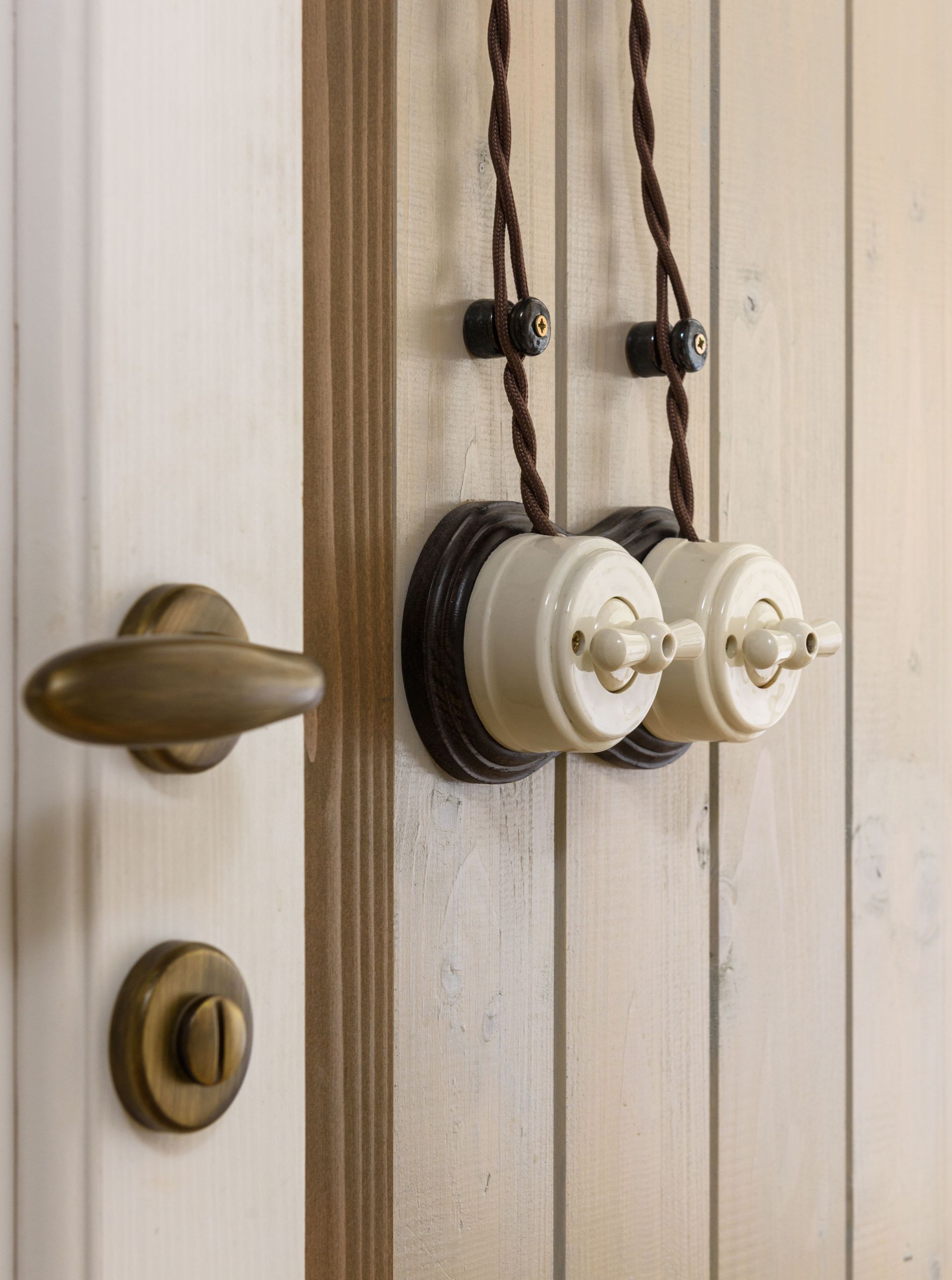
Knob-and-tube wiring runs individual hot and neutral wires through ceramic knobs and tubes, with no grounding conductor and no sheathing protecting the wire runs. It wasn't a shortcut when it was installed it was the accepted method of its era. The problems show up decades later: the original rubber or cloth insulation dries out and cracks with age, the system has no ground, and it isn't rated to sit under modern insulation, which is exactly where a lot of it ends up after decades of attic upgrades.
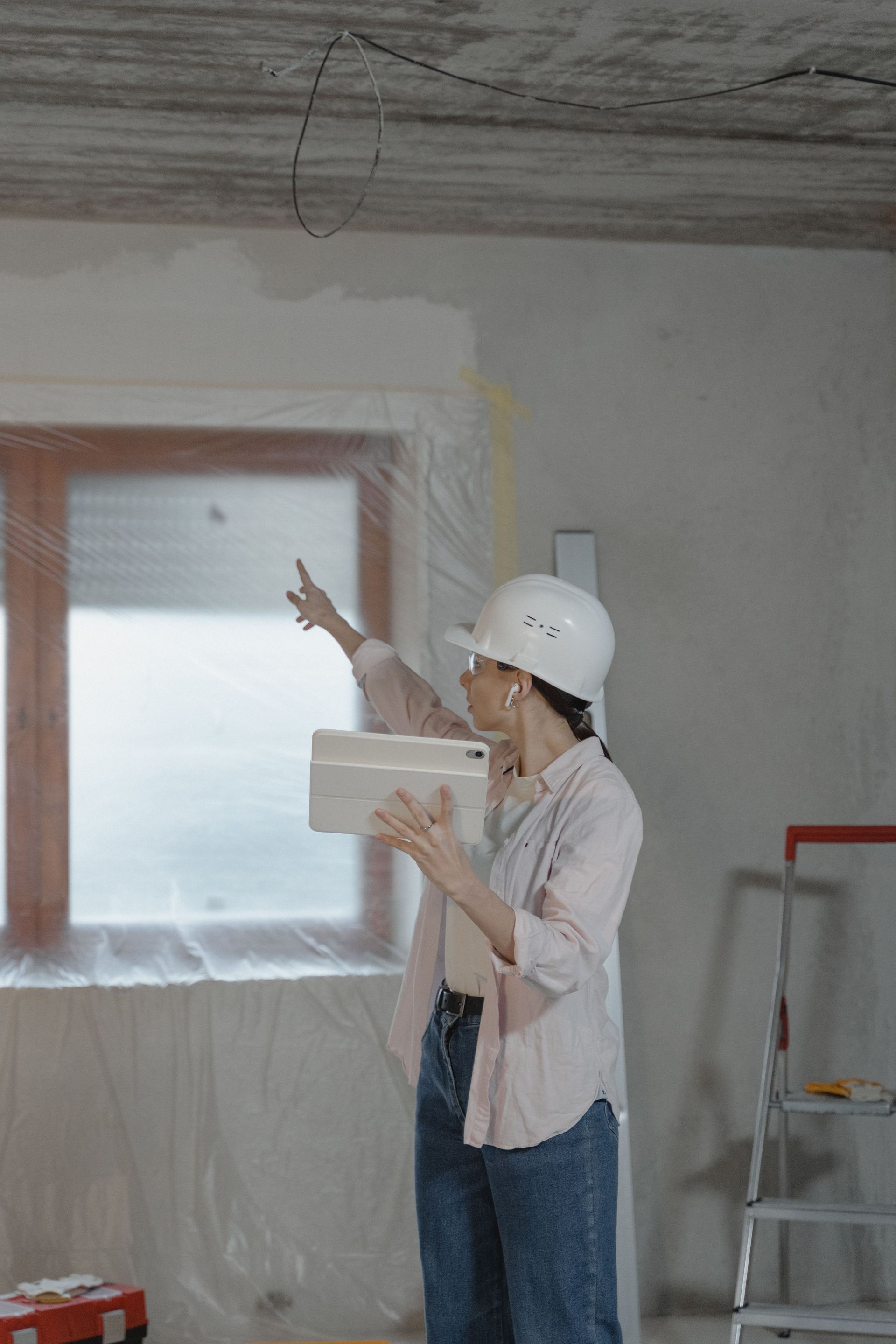
Homeowners often don't know it's there until a remodel opens a wall or ceiling, or until an electrician doing unrelated work in an addition or a basement remodel traces a circuit back to it. Finding it mid-project is the worst time it's an unplanned change order instead of a line item you budgeted for.
The Other Hidden Problem: Galvanized Pipes
Galvanized steel pipe is zinc-coated to resist corrosion, but the zinc coating breaks down from the inside out over a typical 20- to 50-year lifespan, meaning most galvanized systems still in service today are already past or approaching the end of their functional life. As it does, the interior of the pipe narrows with mineral buildup and rust, which shows up as low water pressure, discolored water, and eventually pinhole leaks inside walls and ceilings the kind that cause water damage long before anyone notices a drip. It's a plumbing issue, but it's also a demolition surprise: a contractor who opens a wall expecting to move a sink line and instead finds fifty-year-old galvanized pipe has to stop and reprice the job.
A 2024 Federal Rule Now Touches Older Galvanized Plumbing Directly
Most homeowners have never heard of the EPA's Lead and Copper Rule Improvements (LCRI), finalized in October 2024, but it's relevant if your home's water service line is galvanized. The rule created a specific category called a "galvanized requiring replacement" service line a galvanized line that is, or ever was, downstream of a lead line, or downstream of a line whose material is unknown. Water systems with any lead or galvanized-requiring-replacement service lines under their control must fully replace them within roughly 10 years of the rule's compliance date, and the EPA's final rule explicitly prohibits partial replacements except for emergency repairs or work coordinated with planned infrastructure projects.
This doesn't mean every galvanized pipe inside your house falls under EPA jurisdiction the rule governs the utility-owned service line, not your interior plumbing. But it's a sign of where policy is heading, and it's a good reason to find out your home's service line material before you commit to a major renovation, especially one that touches your foundation, driveway, or the point where the water line enters the house. We cover the related lead-paint side of this in our breakdown of the EPA's lead paint renovation rules for older Cleveland homes.
Why This Can Also Cost You Your Homeowners Insurance
This is the part that catches homeowners off guard. According to Allstate's own guidance on insuring older homes, knob-and-tube wiring "is considered so risky that many insurance companies won't cover a home with this type of wiring" at all, and galvanized steel plumbing is flagged by most insurers as a factor in setting your rate because of its tendency to rust and cause water damage. In practice, that can mean a non-renewal, a coverage exclusion for water or fire damage, or a requirement that the system be replaced within a set window after a policy is written. If you're refinancing or planning to sell after your remodel, an insurer's objection to 80-year-old wiring or pipe can stall the deal at the worst possible moment.
What It Actually Costs to Fix
Rewiring and Panel Upgrades
Removing knob-and-tube and rewiring a home isn't priced as a single flat number — it depends heavily on how accessible the walls and attic are. Angi puts electrician labor at $50–$100 per hour, with per-opening pricing (each outlet, switch, or fixture) typically running $100–$350. Thumbtack estimates whole-home rewiring at roughly $2–$4 per square foot, plus $200–$900 for permits — a 1,500-square-foot home lands around $3,000–$6,000 for wiring alone, before wall repair. Knob-and-tube almost always runs on an undersized panel, and This Old House puts a typical 100-to-200-amp panel upgrade at $1,300–$3,000, within an overall panel-upgrade range of $800–$4,000.
Repiping
Whole-home repiping runs a wide range depending on pipe material and access. Plumbing-cost data compiled for 2026 puts a whole-home repipe at roughly $4,000–$15,000, with a national average near $7,500 — PEX runs toward the lower end of that range, copper toward the higher end, and slab foundations or plaster walls push costs up further because of the extra work needed to route new lines.
None of these numbers are quotes every one of these jobs depends on your specific home's layout and condition. That's exactly why we walk a home before pricing a whole-house renovation: infrastructure like this belongs in the budget from day one, not discovered halfway through.
What to Check Before You Sign a Remodeling Contract
- Ask what's behind the walls you're opening. If your home was built before 1960, ask your contractor to check for knob-and-tube and galvanized pipe in the specific area being remodeled, not just assume it's fine because a prior owner "probably updated it."
- Call your insurer before, not after. A quick call to ask whether your policy already flags old wiring or plumbing can save a nasty surprise at renewal time.
- Get a permit for electrical and plumbing work. Cleveland and its suburbs require permits for wiring and plumbing changes, and a permitted inspection is your paper trail that the fix was done to code. We break down what needs a permit in our Cleveland remodeling permit guide.
- Budget infrastructure separately from finishes. Cabinets and tile are the visible part of a remodel; wiring, panel capacity, and pipe condition are the part that determines whether the visible part lasts. If your project's overall numbers are still taking shape, our whole house renovation cost guide breaks down where infrastructure typically falls in the total.
- Don't skip a water service line check on major exterior work. If your project involves foundation work, a new addition, or landscaping near the water line, ask your water provider whether your service line has been inventoried under the EPA's lead and copper rule — utilities nationwide were required to submit an initial inventory by October 2024.
Frequently Asked Questions
How do I know if my Cleveland home has knob-and-tube wiring or galvanized pipe?
The most reliable way is a visual inspection by a licensed electrician or plumber, typically from an accessible attic, basement, or crawlspace. A pre-purchase home inspection report will usually flag both if they're visible, but hidden runs inside finished walls sometimes aren't found until a remodel opens them up.
Do I have to replace all of it at once?
Not necessarily for wiring or interior plumbing, many homeowners replace it room by room as they remodel. The exception is the EPA's rule on galvanized water service lines owned by the utility, which specifically restricts partial replacement of a "galvanized requiring replacement" line going forward.
Will removing knob-and-tube wiring lower my insurance premium?
It can. Since insurers commonly cite active knob-and-tube as a reason for higher premiums, non-renewal, or outright coverage denial, a documented, permitted rewire is worth confirming with your agent; some homeowners see their options and pricing improve once the system is upgraded and inspected.
Is galvanized pipe actually a health concern, or just an inconvenience?
Both. Corroding galvanized pipe reduces water pressure and can eventually leak, but the EPA's 2024 rule change also reflects a health concern: galvanized pipe that was ever downstream of a lead line can trap lead particles and release them into drinking water, which is why that specific category is now targeted for mandatory replacement.
If you're planning a remodel in an older Cleveland-area home, CLE Remodeling Co. is a family-owned team with a combined 30+ years of construction experience, and we check for exactly this kind of hidden infrastructure before your project starts, not after a wall is already open. Get a free estimate or call (216) 505-0352.