How Long Does a Bathroom Remodel Take in Cleveland, Ohio? A Realistic Timeline | CLE Remodeling Co.
If you're planning a bathroom remodel in Cleveland, the budget usually gets the most attention—but the timeline is what actually determines how many weeks your household goes without a working shower. Homeowners searching "how long does a bathroom remodel take" are typically trying to plan around a single bathroom home, a new baby, or a work-from-home schedule, and vague answers like "a few weeks" don't help much when you're the one showering at the gym.
This guide breaks the bathroom remodel process into its real phases, with day-by-day and week-by-week ranges pulled from national renovation-industry data, plus the Cleveland-specific factors—older housing stock, permit review, and material lead times—that push a project toward the longer end of the range.
The Short Answer: 2 to 6+ Weeks of Construction, Depending on Scope
According to Golden Rule Builders, a standard bathroom remodel timeline falls somewhere between a few weeks and about six weeks, depending on scope: a small bathroom refresh typically runs 2 to 3 weeks, a mid-range remodel 3 to 6 weeks, and a full renovation with layout changes 6 weeks or longer.
Renovation-matching platform Sweeten reports that general contractors typically estimate the active construction period at 20 to 30 working days, with the full process from planning through the final punch list spanning six weeks to three months once you count design decisions, permitting, and material ordering. That gap between "construction time" and "total project time" is the single biggest source of frustration for homeowners who assumed the shorter number was the whole story.
Bathroom Remodel Timeline, Phase by Phase
Planning and Design (2+ weeks)
Before a single tile is ordered, you'll finalize the layout, fixtures, vanity, tile, and finishes. Custom cabinets or specialty tile need to be ordered well in advance, so decisions made here set the pace for everything downstream. This is also when you'd work through the same planning questions homeowners tackle before a kitchen project budget, must-haves, and who's doing the work.
Permits and Material Ordering (varies)
Any bathroom remodel that touches plumbing, electrical, or the room's layout typically requires a permit from the local building department, and approval timing varies by jurisdiction and scope. This step is one of the more common sources of delay industry-wide, which is why it pays to confirm what your specific project needs before demo day—see our guide on whether your Cleveland remodel needs a permit for the specifics.
Demolition (1 to 3 days)
Old fixtures, flooring, and damaged drywall come out. In many cases this moves fast, but this is also the point where contractors sometimes find water damage, mold, or outdated wiring behind the walls—issues that weren't visible during the estimate and that need to be addressed before work continues.
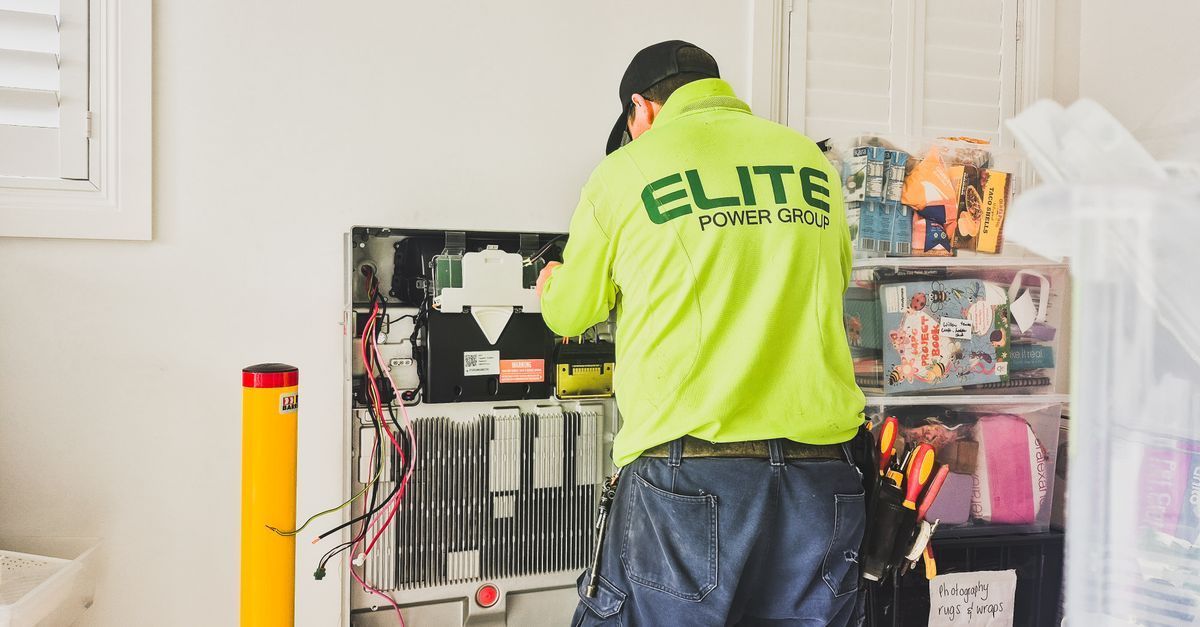
Plumbing and Electrical Rough-In (several days to 2 weeks)
If the toilet, shower, and vanity stay in their current locations, rough-in work moves faster. Relocating any of them, or upgrading outlets and lighting, adds time—and this is the stage where the work has to align with local building code before an inspector signs off.
Inspections
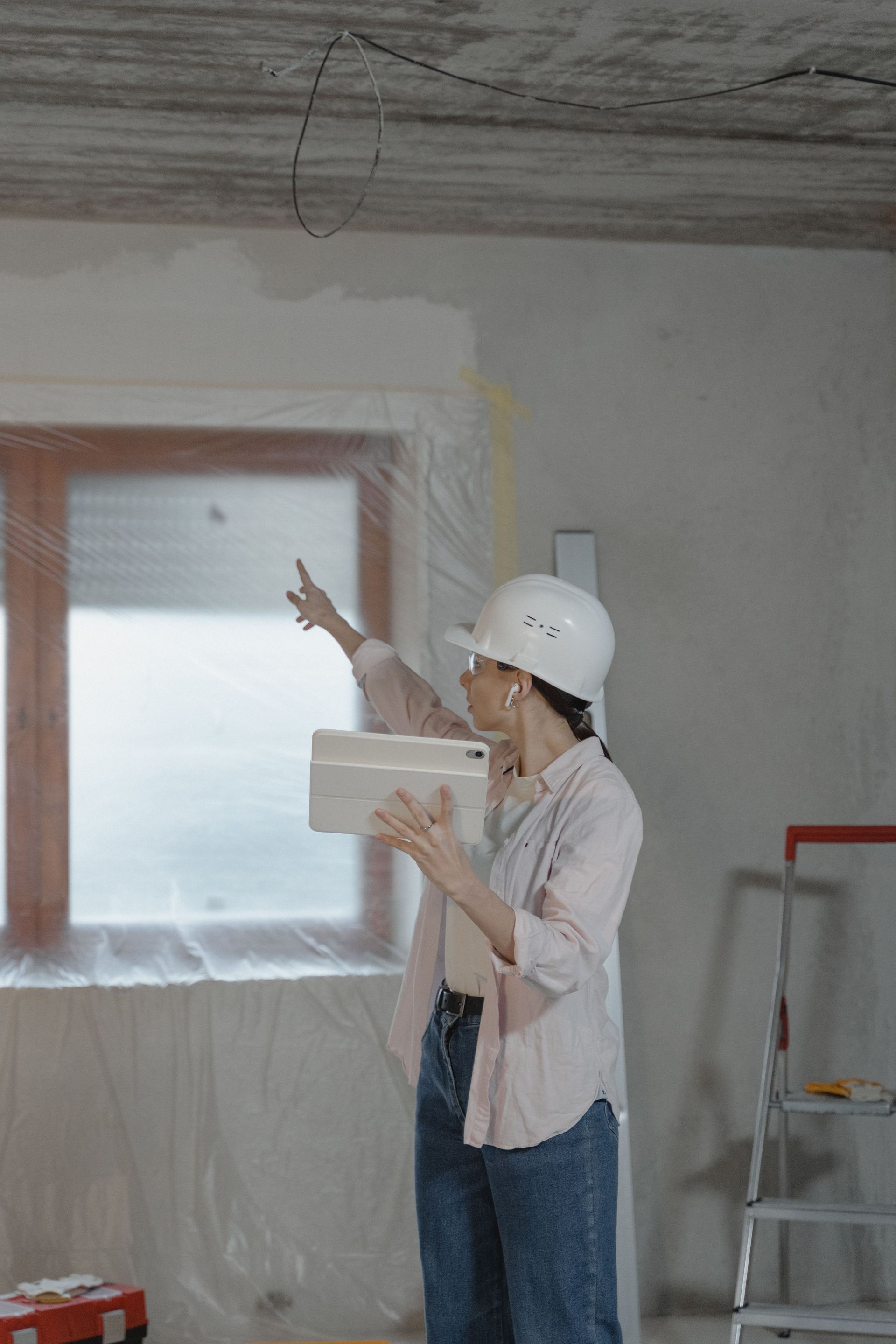
If permits are required, expect an inspection before walls close up and again near the end of the project. The on-site inspection itself is usually quick, but scheduling the appointment with the local building department can add days to the calendar depending on their workload.
Drywall, Waterproofing, and Tile (1 to 2 weeks)
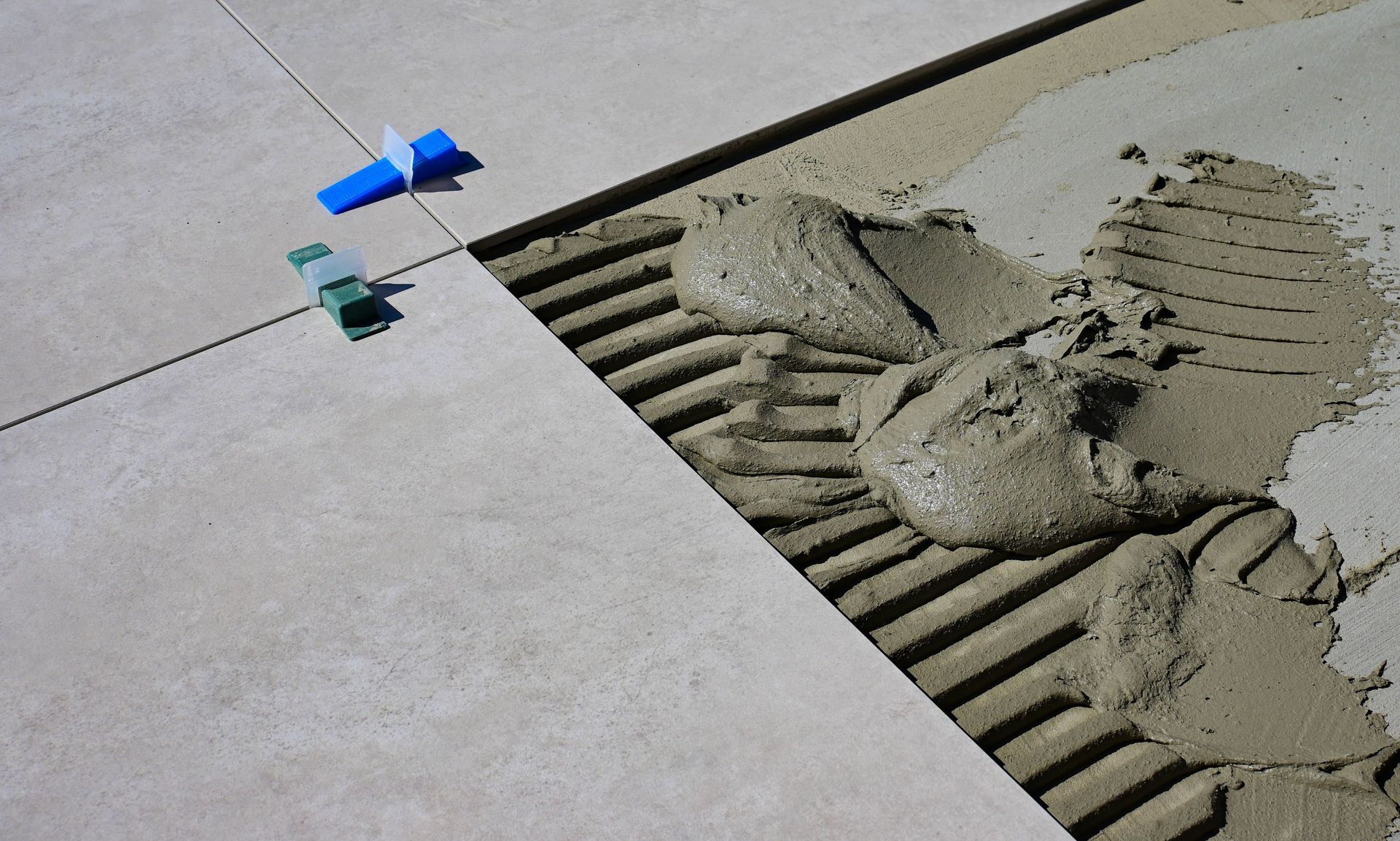
This is often the longest single stretch of the project. Drywall goes up, shower surrounds get waterproofed, and tile is set and left to cure before grouting. Extensive tile work or slow-drying grout can stretch this phase beyond the estimate.
Fixture Installation and Finishes (2 to 3 weeks)
Vanity, toilet, faucets, lighting, and trim go in, followed by caulking and final details. This is also when a full remodel starts to look finished, even though punch-list items often remain.
Final Walkthrough and Punch List (1 to 5 days)
You and your contractor review the finished space together and note anything that needs adjustment. Minor items are usually resolved in a few days; backordered materials can stretch this stage longer.
What Slows a Bathroom Remodel Down in Cleveland
A handful of factors show up again and again on Cleveland-area projects specifically:
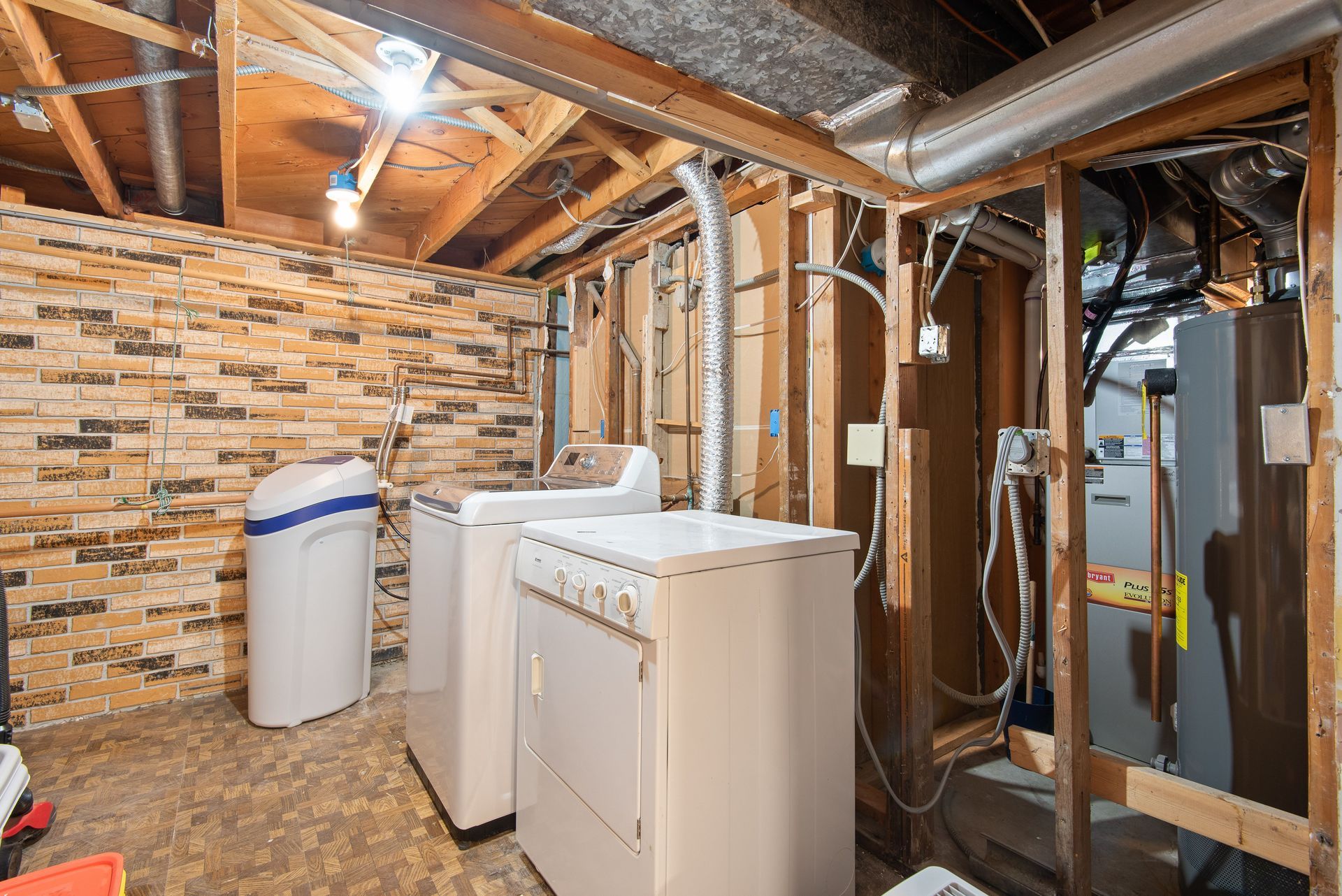
- Older housing stock. On the many older Cleveland-area homes we work in, opening up a bathroom wall is more likely to surface outdated plumbing, wiring, or hidden moisture damage than it would in newer construction—and each of those finds can add days to the schedule.
- Permit review timing. Any layout change, plumbing move, or electrical upgrade routes through your local building department, and review timelines vary by municipality and season.
- Material lead times. Custom vanities, specialty tile, and frameless glass often have longer lead times than in-stock materials, so ordering early matters more than most homeowners expect.
- Mid-project changes. Swapping a tile pattern or moving a fixture after work has started is one of the most common ways a bathroom remodel timeline slips—see our breakdown of how change orders affect your schedule and budget.
- Trade scheduling. Plumbers, electricians, tile setters, and inspectors all need to line up in the right order. A gap of even a few days between trades—waiting on an electrician's availability, for instance—can quietly add a week to an otherwise on-track project.
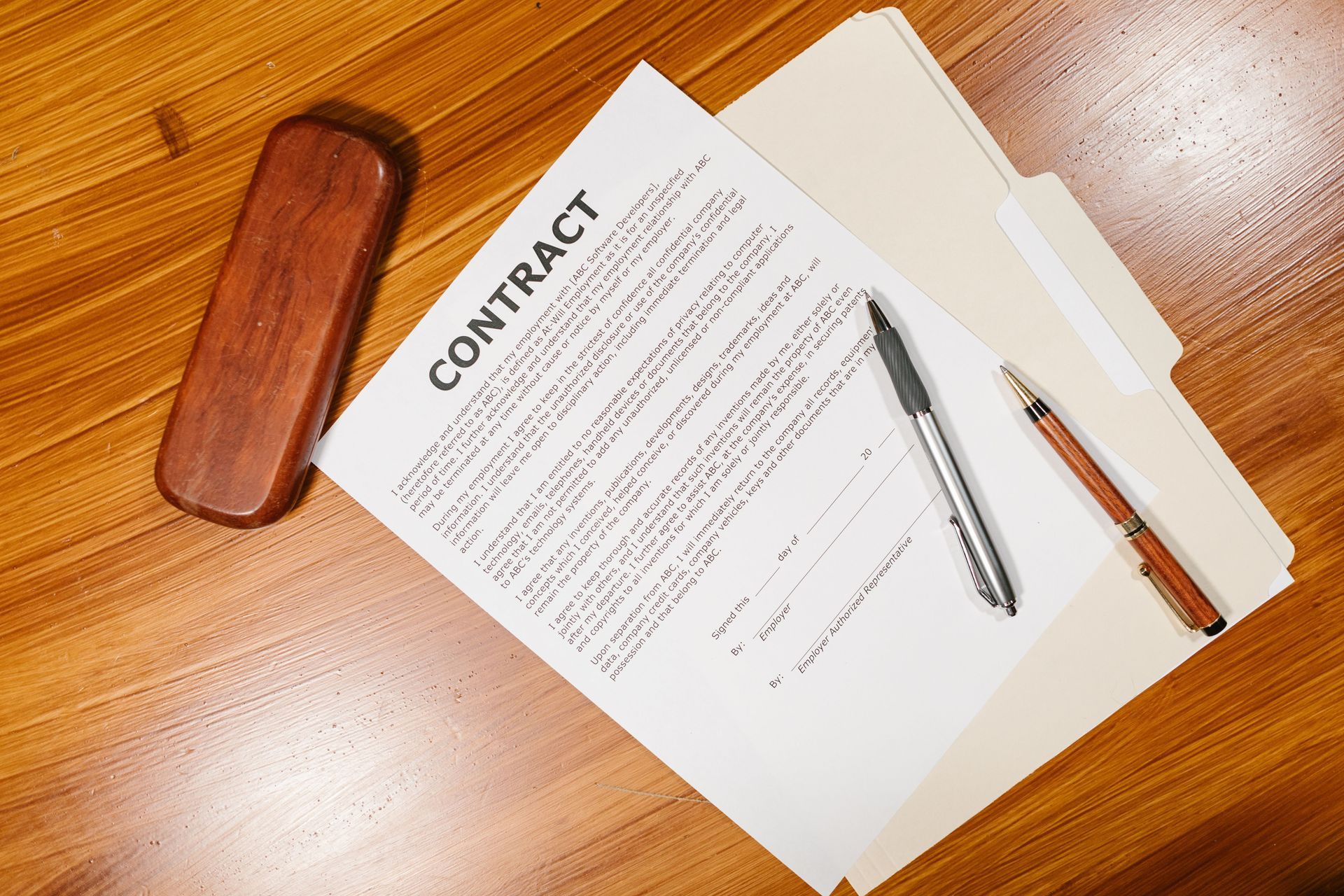
None of these factors are reasons to skip a remodel; they're reasons to build a little flexibility into the schedule you're given and to ask your contractor directly how they plan to handle permitting and material ordering before you sign a contract.
Small Bathroom vs. Full Gut Renovation: Timeline Differences
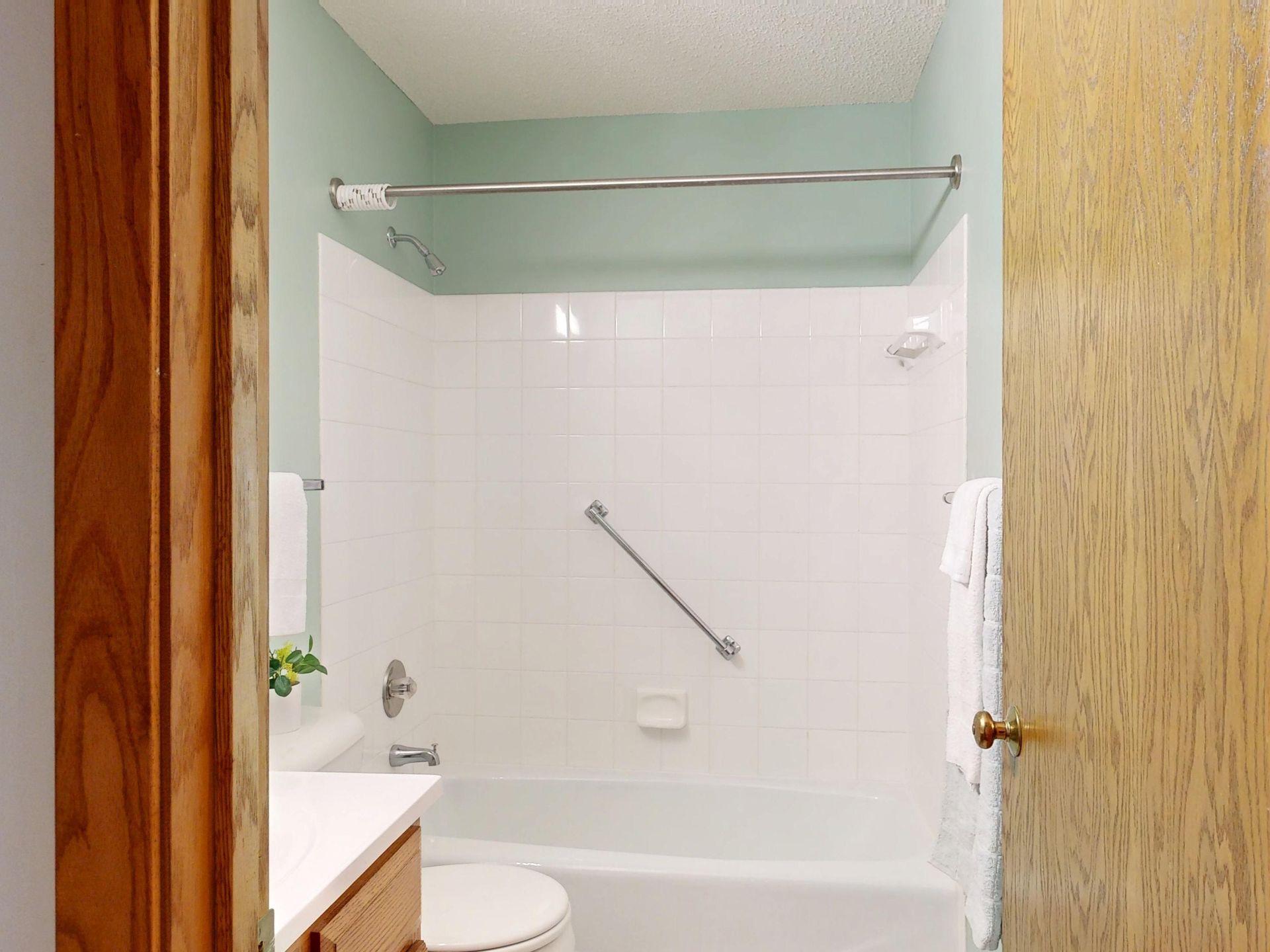
Scope matters more than square footage. A powder room refresh that keeps the existing layout can wrap up in two to three weeks, while a full gut renovation that relocates plumbing runs six weeks or more. For older Cleveland homes with tighter floor plans, see our ideas for making a small bathroom work without a full layout change, which tends to keep both the budget and the calendar shorter.
Specialty scopes run on their own timeline. A straightforward tub-to-shower conversion is typically faster than a full remodel because it touches a smaller footprint, while an aging-in-place bathroom remodel can add time if it involves widening doorways or reworking the floor plan for accessibility.
The single biggest lever on timeline, regardless of square footage, is whether the plumbing stays put. Keeping the toilet, shower, and sink in their existing locations means the rough-in phase can move quickly, since the existing supply lines and drains are already where they need to be. Relocating any of them—even by a few feet—usually means opening up more of the wall or floor, adding a plumbing permit review, and scheduling an extra inspection before the space can be closed back up. If your priority is a faster timeline over a fully reimagined layout, that's the trade-off worth discussing with your contractor up front.
How to Keep Your Timeline on Track
A few habits make the biggest difference in whether a project finishes on schedule:
- Finalize selections before demo starts. Choosing tile, fixtures, and finishes mid-project is one of the most common causes of delay.
- Order long-lead-time materials early. Once your design is set, place orders for anything custom right away.
- Vet your contractor before signing. Our list of questions to ask a contractor before hiring covers what to confirm about scheduling and permitting up front.
- Prep the rest of the house. Construction dust and access needs affect more than the bathroom itself—our room-by-room prep checklist covers what to clear out before crews arrive.
Bathroom vs. Kitchen Remodel Timelines
If you're weighing which room to tackle first, a bathroom remodel is generally faster than a comparable kitchen remodel, simply because there are fewer cabinets, appliances, and finish selections involved. For a side-by-side sense of what a kitchen project involves, see how long a kitchen remodel takes in Cleveland.
Frequently Asked Questions
Can a bathroom remodel be done in a week?
Cosmetic updates new paint, a mirror, or swapping the vanity without moving plumbing, can sometimes wrap up in under a week. A remodel involving tile, plumbing, or electrical work almost always takes longer, since tile needs time to cure and inspections have to be scheduled.
How long does a small powder room remodel take?
A powder room that keeps its existing layout typically takes about two to three weeks of construction, since there's no tub or shower to waterproof and tile.
Does relocating plumbing add much time?
Yes. Moving a toilet, sink, or shower drain means more extensive rough-in work and, in most jurisdictions, an additional inspection before walls can close—often adding a week or more compared to keeping fixtures in place.
Do permits slow down a Cleveland bathroom remodel?
They can, depending on the scope and your municipality's review timeline. Any project involving plumbing, electrical, or structural changes should confirm permit requirements before scheduling demo day, as covered in the permit section above.
Plan Your Cleveland Bathroom Remodel with a Team That Keeps Schedules Real
CLE Remodeling Co. is a family-owned, Cleveland-based team built on more than 30 years of combined construction experience, from custom home building to full home renovations. We give every homeowner a realistic, phase-by-phase schedule before work begins—not just a construction-only estimate that leaves out planning, permitting, and inspections.
Ready to see what a realistic timeline looks like for your bathroom? Contact CLE Remodeling Co. at (216) 505-0352 to schedule a consultation.