Whole-House Generator Installation Cost in Cleveland, Ohio: 2026 Guide
A prolonged winter power outage is one of the most common reasons Cleveland homeowners start pricing out a whole-house generator, but the range of quotes you'll get can be confusing. Depending on who you ask, a "whole-house generator" might mean a small unit that keeps the sump pump and furnace running, or a full system that can carry central air and the whole electrical panel through a multi-day outage. Understanding what actually drives the cost, and what Cleveland's permitting rules require, will help you budget accurately and avoid surprises once a contractor is standing in your driveway.
This guide breaks down real installed-cost ranges, the biggest cost drivers, Cleveland's electrical permit requirement, and how a generator project often intersects with the rest of your home's electrical system, especially in older Greater Cleveland housing stock.
How Much Does Whole-House Generator Installation Cost in Cleveland?
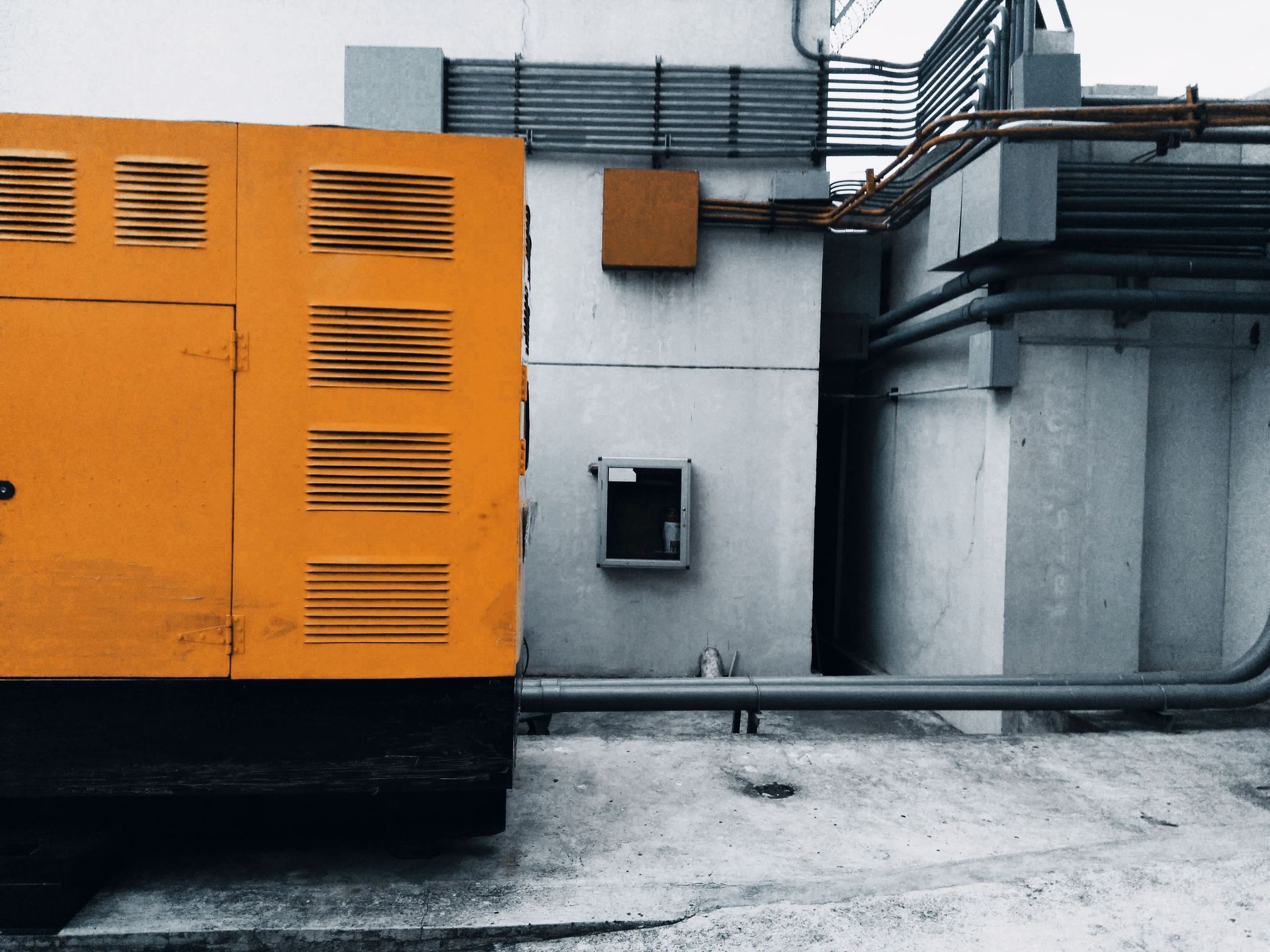
According to Generac, the country's largest manufacturer of home standby generators, a fully installed home standby system typically runs $8,000 to $16,000 , inclusive of the generator unit, system equipment and materials, and professional installation. That figure lines up with what most Cleveland-area homeowners should expect to budget, though your final number depends heavily on the size of generator you need and how much site work is involved.
Here's roughly how that total breaks down:
- Generator unit: The bulk of the cost, scaling with the generator's kilowatt (kW) rating and the number of circuits it needs to carry.
- Automatic transfer switch (ATS): The component that senses a utility outage and switches your home to generator power automatically, usually installed right next to your main panel.
- Electrical labor: Running wiring from the transfer switch to the generator and tying it into your panel is skilled, licensed work, and it's where installation timelines and costs vary the most.
- Gas line or fuel setup: Natural gas units need a dedicated line sized correctly for the generator's demand; propane units may need a storage tank if you don't already have one.
- Permits and site prep: A concrete pad or gravel base, plus the required City of Cleveland electrical permit.
Generac notes that installation timing is affected by "dealer availability, site preparation, gas line preparation, obtaining a permit, and more," which is a good reminder that a generator install isn't a same-week job. Plan for several weeks between your first consultation and a completed system.
What Drives the Cost: Fuel Type, Generator Size & Panel Compatibility
Three factors move the price more than anything else.
Generator size
A smaller unit sized to run just the essentials, sump pump, furnace blower, refrigerator, and a handful of circuits, costs less than a larger unit sized to carry central air conditioning and most of a large home. The right size depends on your home's square footage, your electrical panel's capacity, and which circuits you want backed up.
Fuel source
Most Cleveland installations run on natural gas, tying directly into the municipal gas line already serving the home. Propane is an option where gas service isn't available or isn't sized for a generator, but it typically adds the cost of a dedicated storage tank.
Distance to your panel and gas meter
The further your ideal generator location sits from your electrical panel and gas meter, the more wiring and gas piping the crew has to run, and that adds directly to labor and material costs.
Do You Need a Permit for a Generator Installation in Cleveland?
Yes. The City of Cleveland's Department of Building and Housing requires an electrical permit for any new electrical installation, and its ordinances specifically call out generators: "All electrical installations require an additional electrical permit. This must be pulled by a licensed electrical contractor registered with the Department of Building and Housing." That covers the transfer switch, panel connection, and any new circuits your generator install requires.
The city's electrical permit rules also require that contractors doing this work be "bonded, insured, and licensed with the State of Ohio and registered with the City of Cleveland." If a company offers to install your generator without pulling a permit or without being registered with the city, that's a red flag, not a discount. An unpermitted generator installation can complicate a future home sale, and it can leave you without recourse if the transfer switch is wired incorrectly.
For a deeper look at when Cleveland projects need a permit in the first place, see our guide on whether your Cleveland remodel needs a permit.
Why Your Electrical Panel Matters
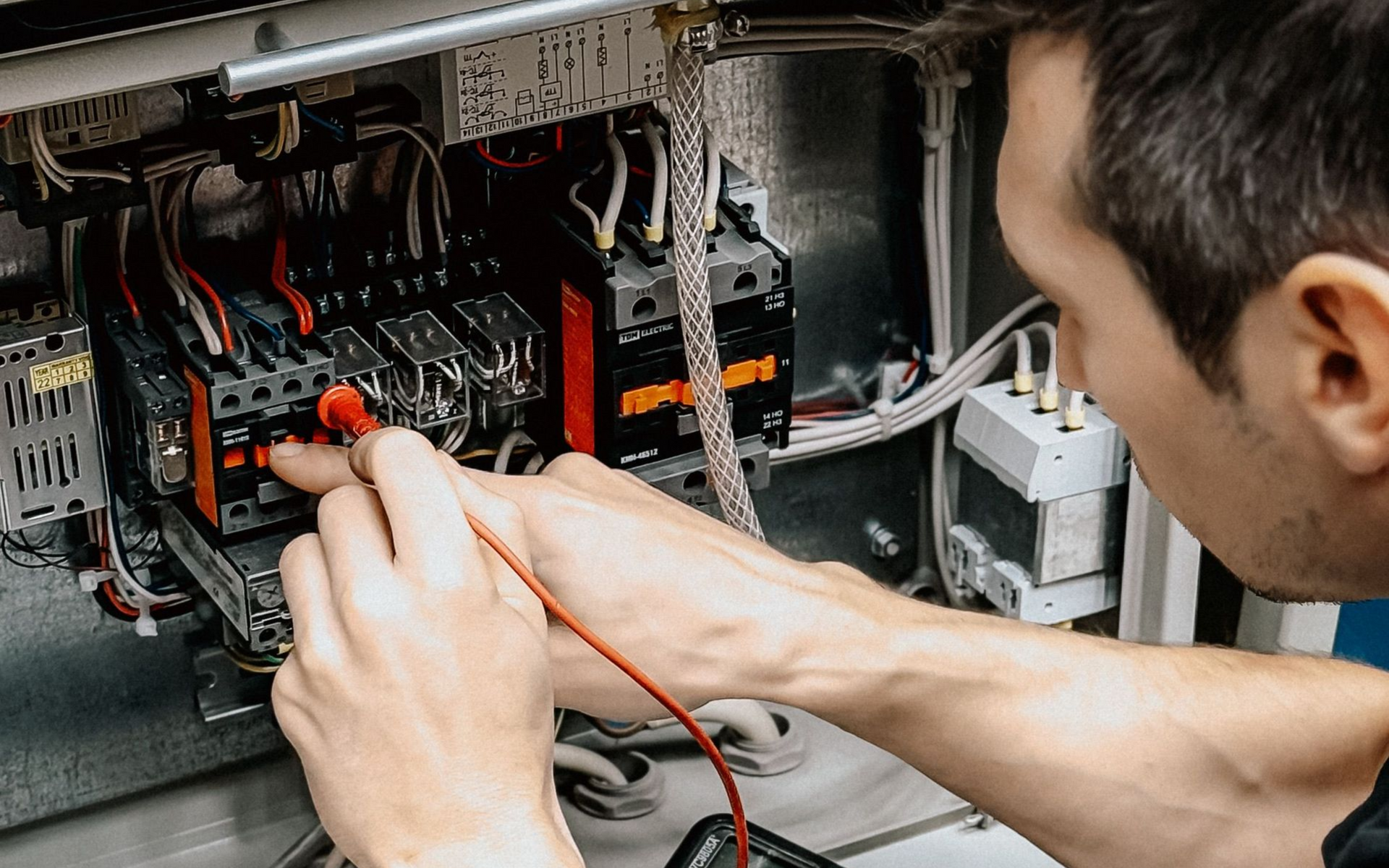
A generator install lives or dies on what your electrical panel can support. Many Greater Cleveland homes, especially in inner-ring suburbs and older Cleveland neighborhoods, still have panels sized for a different era of electrical demand, and some older homes still have knob-and-tube wiring that predates modern code entirely. If your panel is undersized, outdated, or doesn't have room for a transfer switch, a panel upgrade often becomes part of the generator project rather than an optional add-on.
This is one of the most common surprises homeowners run into partway through a generator quote: what started as "install a generator" becomes "upgrade the panel, then install a generator." Getting your panel evaluated up front, ideally by the same licensed team handling the generator, avoids a mid-project change order. It's also worth checking whether your home has been affected by any of Ohio's recent building code changes, since electrical code updates can affect what a panel upgrade or generator tie-in needs to meet.
Natural Gas vs. Propane: Which Fits Your Cleveland Home?
If your home already has natural gas service, tying a standby generator into the existing gas line is usually the simpler and more cost-effective path, since you're not adding fuel storage or delivery logistics. Propane makes more sense for homes without gas service, or where the existing gas meter and line aren't sized to handle the generator's additional draw. Either way, the gas or propane work has to be coordinated with your electrical contractor and, in many cases, with a licensed plumber or gas fitter, since undersized gas lines are one of the more common causes of installation delays.
Choosing a Licensed, Registered Contractor for the Job
Because a generator installation touches your home's gas line and its main electrical panel, this isn't a project to hand to an unlicensed handyman or a big-box install crew working outside their registered service area. Cleveland requires contractors to be registered with the Department of Building and Housing and licensed with the State of Ohio before they can pull the electrical permit your project needs.
Before you sign a proposal, confirm the contractor is registered with the city, ask who is physically pulling the permit, and ask how the transfer switch will be tested before they consider the job complete. Our questions to ask a contractor before hiring guide covers the vetting questions that matter most for licensed electrical and remodeling work in Cleveland.
At CLE Remodeling Co., Todd and Laura Wallace have been renovating homes across Greater Cleveland for more than 20 years. If a generator project surfaces panel, wiring, or gas-line issues along the way, that's exactly the kind of whole-home coordination our whole-house renovation services are built to handle, rather than treating the generator as an isolated add-on.
When a Generator Project Turns Into a Bigger Remodel
It's common for a generator consultation to surface other electrical or structural questions, especially if you're already planning a home addition or a larger renovation. If you know a bigger project is on the horizon, it's worth sequencing the generator installation alongside it. Running new electrical service, upgrading a panel, or opening up a wall for gas piping is easier and less disruptive when it's planned as part of a coordinated whole-house renovation instead of as two separate projects a year apart. The same logic applies if you're weighing a kitchen remodel that will add new appliance circuits your panel needs to support.
Frequently Asked Questions
How long does generator installation actually take?
The physical installation itself often takes less than a day once equipment is on site, but according to Generac, the full process, from consultation to a tested, running system, typically spans several weeks once you factor in dealer scheduling, site preparation, gas line work, and the City of Cleveland's permit and inspection process.
Can I install a generator myself to save money?
No. Cleveland's electrical code requires the permit for this work to be pulled by a licensed electrical contractor registered with the city, and the work itself, tying a transfer switch into your main panel, isn't something to DIY given the safety risks of backfeeding utility lines.
Will a whole-house generator run my central air conditioning?
It can, but only if it's sized for that load. A generator sized only for essential circuits, sump pump, furnace, refrigerator, will not carry a central AC system; that requires a larger unit and is one of the key sizing questions to answer during your consultation.
Does a generator installation affect my homeowners insurance?
Many insurers ask whether a standby generator was professionally installed and permitted. Keeping your City of Cleveland electrical permit and final inspection on file is good practice for both resale and insurance purposes.
If you're weighing a whole-house generator for your Cleveland home, or wondering whether your electrical panel can support one, CLE Remodeling Co. can walk your project from that first panel evaluation through a permitted, tested installation. Reach out to Todd and Laura's team to schedule a consultation.