Aging in Place Renovation in Cleveland, Ohio: A Whole-Home Guide
What "Aging in Place" Means for Your Cleveland-Area Home
"Aging in place" simply means staying in your own home and community as you get older, instead of moving to assisted living or a smaller, single-story house across town. It's not a niche preference. In AARP's 2024 Home and Community Preferences Survey, 75% of adults aged 50 and older said they want to remain in their current homes as they age, and 51% said they'll need a home that actually supports independent living to make that happen.
For homeowners in Cleveland, Shaker Heights, Cleveland Heights, Lakewood, and the rest of Greater Cleveland's older housing stock, that's a real planning problem. Many of these homes were built decades before "accessibility" was part of the conversation: narrow bathroom doorways, steps at every entrance, kitchens with high cabinets and tight turning radius. A single grab bar in the shower doesn't solve that. A whole-home renovation, planned deliberately, does.
We're Todd and Laura Wallace, the husband-and-wife team behind CLE Remodeling Co. We've spent more than 20 years renovating homes across Greater Cleveland, and we've had this conversation with enough families to know it usually starts the same way: a parent or homeowner wants to stay put, and the house needs to catch up to that decision.
The Home Modifications Older Adults Say They Need Most
AARP's survey didn't just ask whether people want to stay home it asked what they think they'll need to do it. The top answers were specific: 72% pointed to grab bars, 71% to entryway enhancements, and 39% to kitchen upgrades. That maps closely to what we see when we walk a Cleveland-area home with aging in place in mind.
Bathroom Safety and Accessibility
The bathroom is usually where families start, and for good reason wet, slick surfaces and tight turns make it one of the more fall-prone rooms in the house. A proper bathroom remodel built around aging in place goes beyond a single grab bar: curbless or low-threshold showers, comfort-height toilets, non-slip flooring, and blocking installed in the walls so grab bars can go anywhere they're needed later, not just where they were installed on day one. We covered the room-specific details in our aging-in-place bathroom remodeling guide.
Kitchen Adjustments for Long-Term Living
Kitchens rank lower in AARP's survey, but they matter more than the number suggests once mobility changes. A kitchen remodel planned for the long term usually means lowering at least one section of counter, pulling in appliances with front controls, swapping deep base cabinets for pull-out shelving, and making sure there's clear floor space to move through whether that's for a walker, a wheelchair, or just an unsteady day.
Zero-Step Entries and Wider Hallways
Entryways were the second-highest concern in the AARP data, and it's easy to see why: a Cleveland Heights bungalow with three steps up to the front door is a hard stop for anyone using a walker or wheelchair. Depending on the layout, that can mean a graded entry, a low-profile ramp, or a side/garage entrance regraded for a level approach. Inside, doorway and hallway widths often need to grow too many of Greater Cleveland's older homes were framed with narrower doorways than a walker or wheelchair comfortably clears, and widening the key ones is usually part of the plan.
Beyond a Single Room: Planning a Whole-House Approach
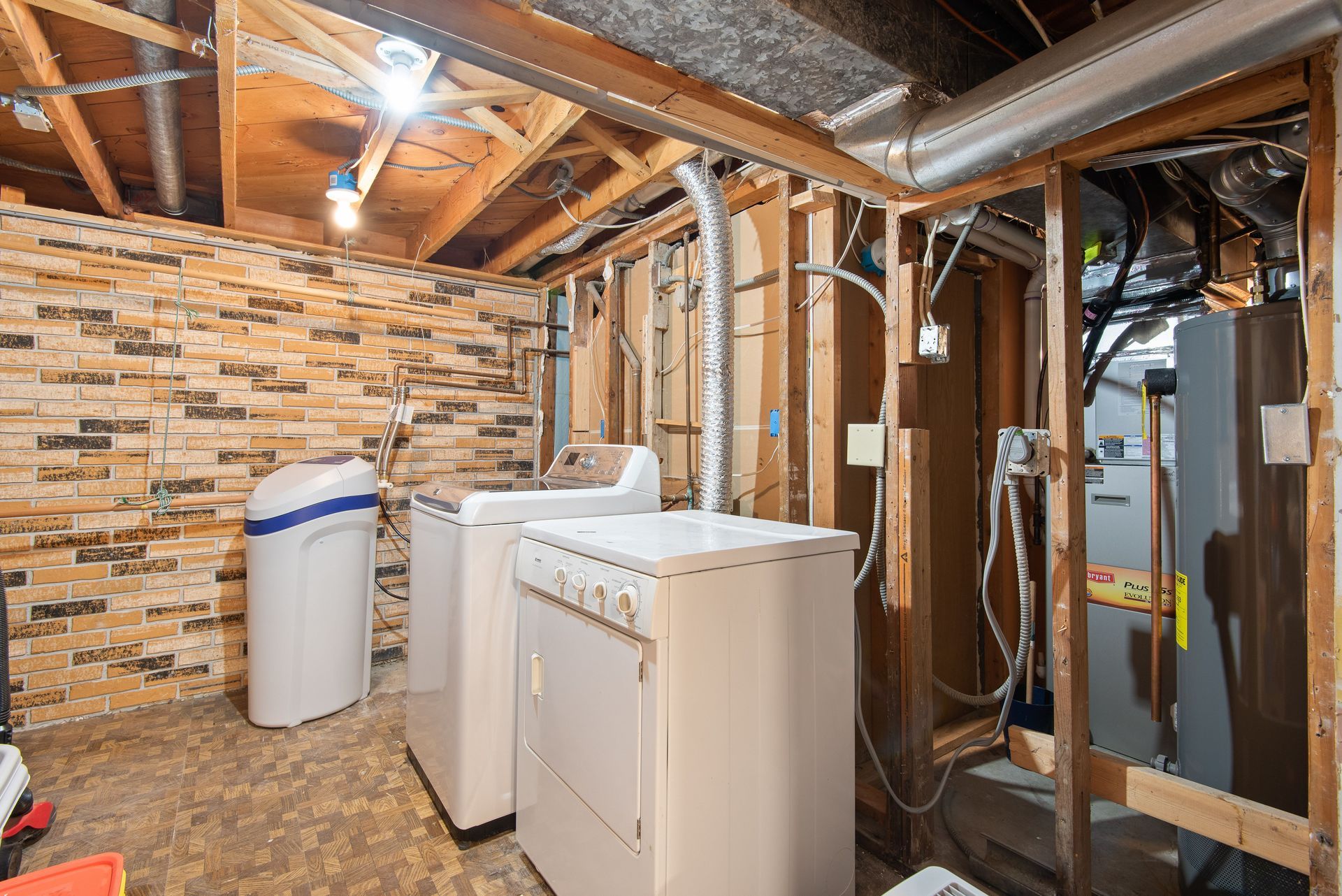
A grab bar here and a ramp there will help, but they don't add up to a home someone can live in safely and independently for another 20 years. That takes a whole-house view: can the homeowner reach a bedroom, full bathroom, kitchen, and laundry without using stairs? If not, a first-floor primary suite addition or a basement remodel built out as one-floor living space is often the more durable answer than retrofitting the existing upstairs bath one fixture at a time.
Smaller details add up too, and they're easy to miss room-by-room: lever-style door handles instead of round knobs, which are far easier to operate with limited grip strength; slip-resistant flooring in kitchens, bathrooms, and entries rather than polished tile; rocker light switches at a lower, consistent height throughout the house; and better lighting in stairwells and hallways, since falls are as often about visibility as they are about footing. None of these are expensive on their own, but they're much easier to build into a coordinated renovation than to retrofit piece by piece after the fact.
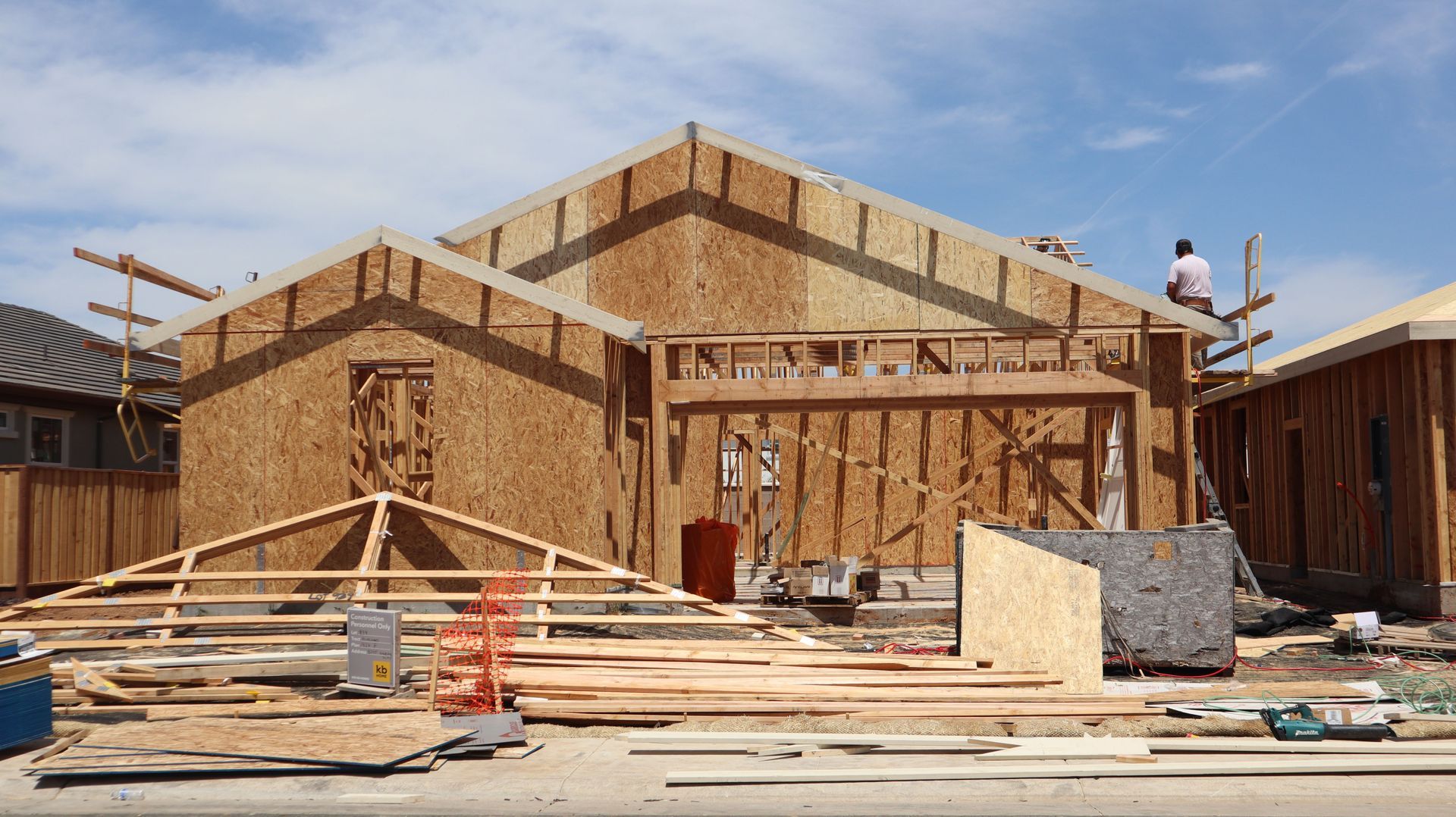
This is exactly the kind of project we scope as a whole house renovation rather than a series of disconnected room updates because the plumbing, electrical, and structural work often touches more than one room, and sequencing it together saves both money and disruption.
Financial Help: Cuyahoga County's "Nails It" Program
Not every aging-in-place project needs to be a full renovation, and not every homeowner can self-fund one. For basic safety modifications, Cuyahoga County residents have a real option: the Western Reserve Area Agency on Aging's Nails It program, funded through Cuyahoga County ARPA funds. It covers grab bars, toilet rails, ADA-compliant toilets, accessible showers, stair rails, and single window replacements at no cost to eligible homeowners.
To qualify, you need to be a Cuyahoga County resident who owns and lives in the home, be age 60 or older (or an adult living with a physical disability), and fall within a low-to-moderate income range. You can reach the program directly at (216) 453-8359 or NailsIt@areaagingsolutions.org.
For homeowners who don't qualify, or whose needs go beyond what Nails It covers a full bathroom overhaul, a first-floor suite addition, widened doorways throughout the house that's where a licensed remodeling contractor takes over, and it's worth budgeting for as a planned project rather than a series of emergency fixes after a fall.
How to Plan the Renovation, Not Just the Room
Aging-in-place projects fail most often when they're planned reactively one modification after a scare, then another a year later, with no coordination between them. We'd rather walk the whole house up front: which rooms need work now, which can wait, and how the sequencing affects cost and disruption. Our room-by-room renovation checklist is a good starting point for getting that conversation organized before you call anyone.
Whoever you hire, ask the same questions you'd ask for any major remodel — licensing, insurance, timeline, and how change orders get handled which we lay out in our guide to questions to ask a contractor before hiring. Aging-in-place work adds one more question worth asking directly: has this contractor built to these specifications before, and can they show you examples?
What It Costs, and Why It's Worth Planning Ahead
Cost varies enormously depending on scope a bathroom retrofit is a very different budget than a first-floor suite addition or a full basement conversion. We put together general cost ranges in our whole house renovation cost guide, though any number we give you is our own estimate based on projects we've built, not a fixed price until we've walked your specific home.
What we can say with more confidence: planning an aging-in-place renovation before a fall or a health event forces the decision tends to cost less, take less time, and produce a better result than renovating under pressure. If you're weighing whether the investment holds its value, our breakdown of what the renovation ROI data shows is a useful companion read, and our bathroom remodeling work in Cleveland Heights shows what these upgrades look like finished.
FAQ: Aging-in-Place Renovations in Cleveland, Ohio
What does "aging in place" actually mean?
It means modifying your existing home so you can live in it safely and independently as you get older, rather than moving to assisted living or a different house. AARP's 2024 survey found 75% of adults 50 and older want to do exactly this.
What's the first renovation to prioritize?
For most Cleveland-area homes, it's the bathroom and the main entry the two spaces AARP's survey respondents flagged most often (grab bars and entryway enhancements), and the two most linked to fall risk.
Is there help paying for basic home modifications in Cuyahoga County?
Yes. The Western Reserve Area Agency on Aging's Nails It program provides grab bars, accessible showers, stair rails, and similar modifications at no cost to eligible Cuyahoga County homeowners 60 and older. Contact (216) 453-8359 for eligibility.
Do I need to move everything to one floor?
Not necessarily. Some homeowners add a first-floor primary suite or finish a basement for one-floor living; others focus on making the existing layout safer with wider doorways, better lighting, and accessible bathrooms and kitchens. The right approach depends on the home and how long you're planning to stay.
How long does an aging-in-place renovation take?
It depends heavily on scope. A single bathroom retrofit might run a few weeks; a first-floor suite addition or basement conversion is closer to a whole-house renovation timeline. Planning ahead of a health event, rather than reacting to one, is what usually keeps the timeline reasonable.