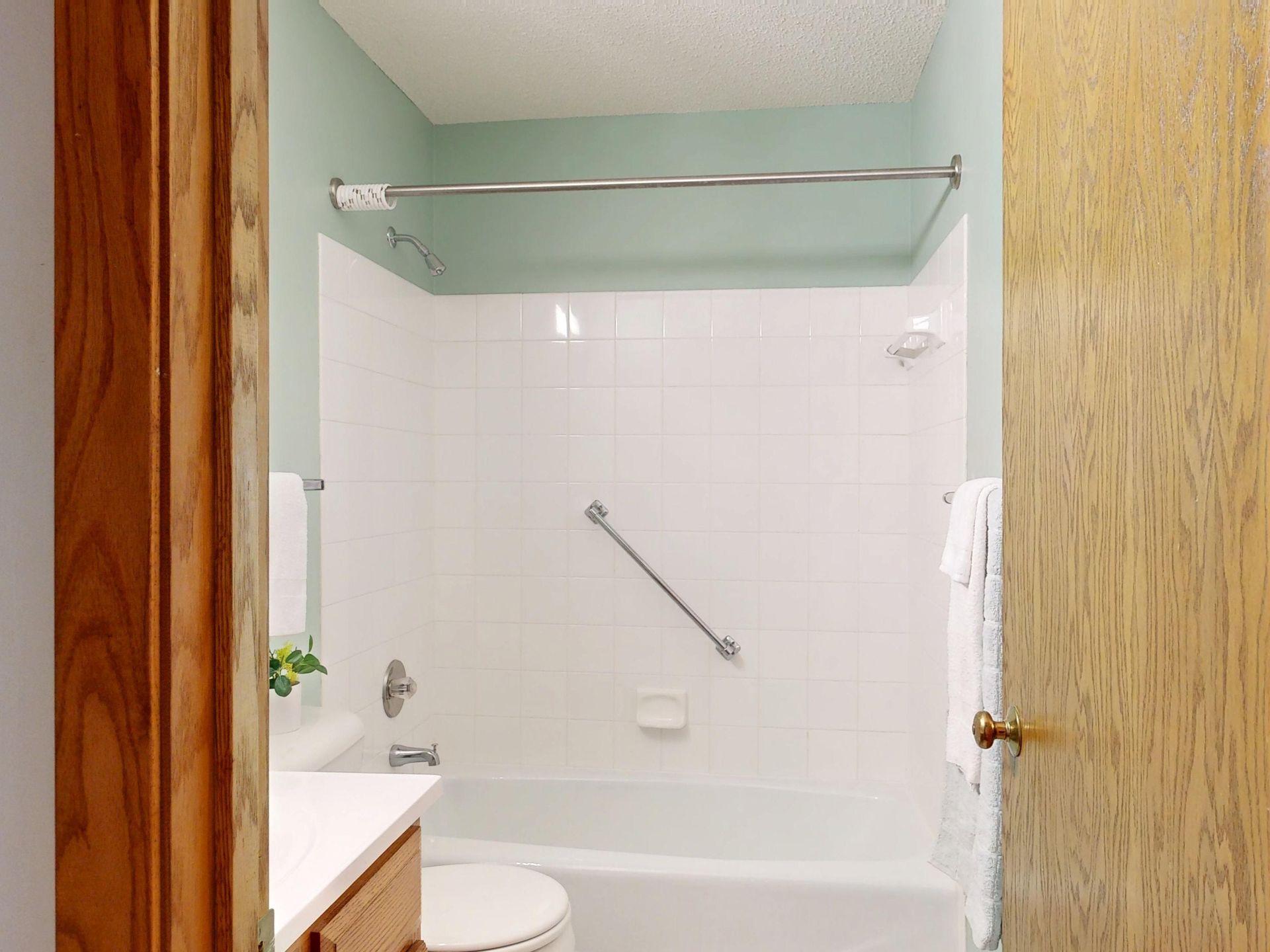
Aging-in-Place Bathroom Remodeling in Cleveland, Ohio
Cleveland just crossed a threshold most homeowners haven't noticed yet: as of 2024, the metro area has more people over 65 than under 18, according to the U.S. Census Bureau one of only three U.S. metro areas with over a million residents where that's now true. That shift matters for how Greater Cleveland families think about their bathrooms. A standard tub-and-shower combo that was fine at 45 can become the single riskiest room in the house at 70, and the fix usually isn't a full gut remodel it's a handful of targeted, well-planned upgrades.
At CLE Remodeling Co., we've built more than 1,000 projects across Greater Cleveland over 20+ years, and bathroom accessibility has become one of the most common requests we hear from homeowners planning ahead for themselves or a parent moving in. Here's what actually reduces fall risk, what it costs in the Cleveland market, and how to plan the work without over-renovating.
Why Aging-in-Place Bathroom Remodeling Matters in Cleveland Right Now
The Census Bureau's June 2025 population estimates confirmed that Cleveland is now one of just three U.S. metro areas with more than a million residents alongside Providence-Warwick and Hartford where older adults outnumber children for the first time. Nationally, the population age 65 and older grew 13% from 2020 to 2024, more than nine times the growth rate of working-age adults. For established Greater Cleveland communities like Cleveland Heights, that means more households than ever are either aging in their current home or renovating for a parent who is.
That demographic shift lines up with a real safety problem. The bathroom is where it shows up first a wet, hard-surfaced room with a step-over tub edge is one of the most common places for an older adult to fall.
The Bathroom Features That Actually Reduce Fall Risk
The CDC reports that more than one in four adults 65 and older falls each year, and falls are the leading cause of traumatic brain injury in that age group. Each year in the U.S., falls send roughly 3 million older adults to the emergency room and cause about 1 million hospitalizations, with hip fractures accounting for a large share of the most serious outcomes. The CDC identifies home hazards including bathroom layout as one of several modifiable risk factors alongside vision problems, balance issues, and certain medications.
The upgrades with the best evidence behind them are the least glamorous ones:
- Curbless or low-threshold walk-in showers that remove the step-over edge of a traditional tub, which is where many falls happen entering or exiting.
- Grab bars anchored into wall studs or blocking — not suction-mounted bars, which aren't rated to bear real weight. Placement typically covers the shower entry and the wall a person faces while bathing, sized to the household's specific mobility needs.
- Slip-resistant flooring , both in the shower pan and on the bathroom floor, replacing smooth tile or worn linoleum.
- Comfort-height toilets that reduce the strain of sitting and standing.
- Lever-style faucet handles instead of twist knobs, which are easier to operate for anyone with limited grip strength or arthritis.
- Brighter, layered lighting to address the vision-related fall risk the CDC flags, particularly around the shower and toilet area.
None of these require a full teardown. Most Cleveland bathroom remodels we do for aging-in-place clients combine two or three of these — most often the shower conversion and grab bars — rather than replacing every fixture at once.
What These Upgrades Cost in Cleveland
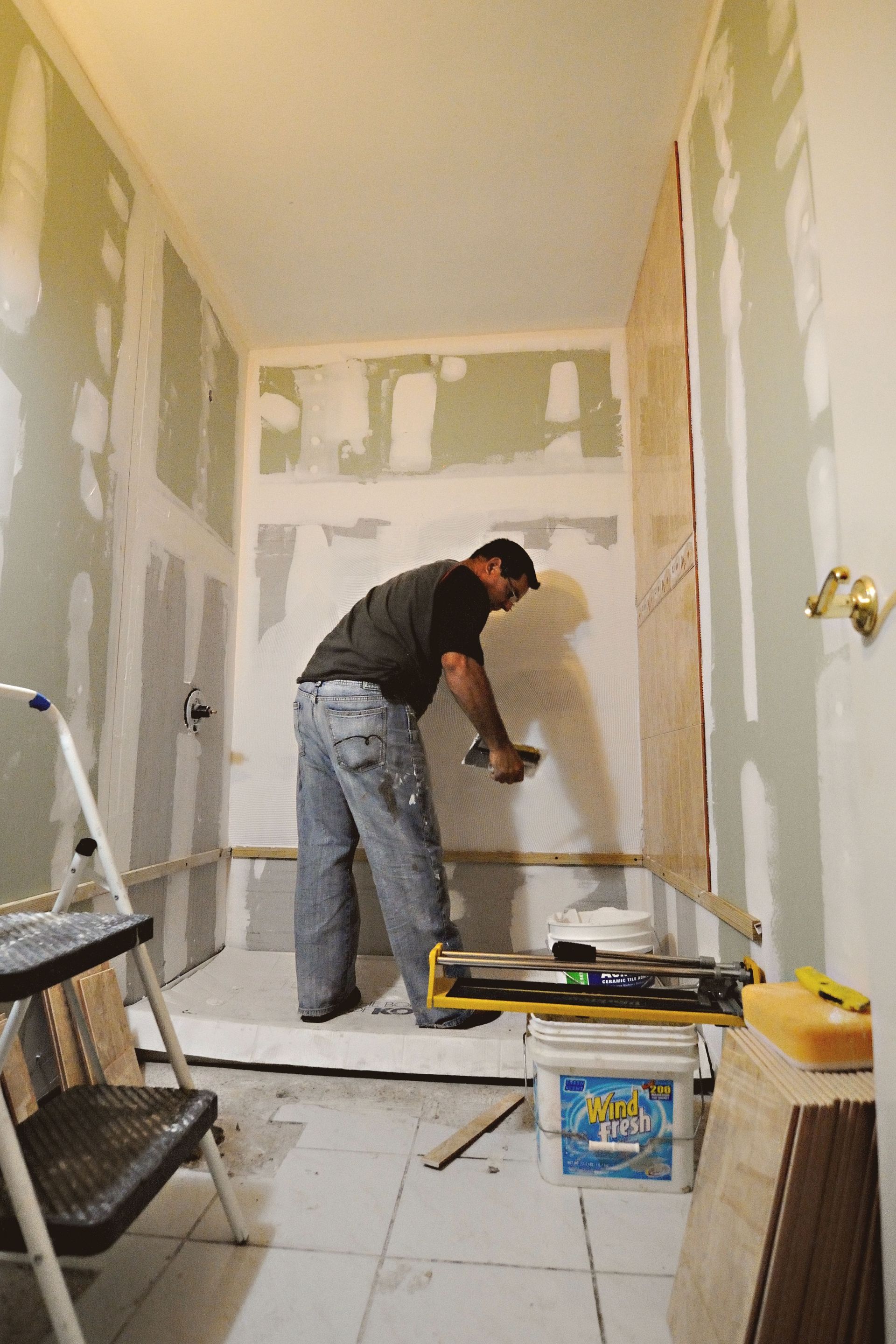
Nationally, a full walk-in shower installation runs $6,000 to $12,000, averaging around $9,000, according to 2026 cost data from Angi — with the range driven mainly by shower size and materials (prefabricated kits start around $700 to $3,000; custom tile builds run $4,200 to $8,500). A tub-to-shower conversion specifically, which is the most common aging-in-place request, typically costs $1,200 to $8,000 depending on materials and whether plumbing needs to move.
Grab bars are the highest-value upgrade on this list dollar for dollar: Angi's data puts professional installation at $100 to $500 per bar, including hardware and labor. Broader accessibility features wider doorways, in-shower seating, repositioned controls — typically add $75 to $1,900 to a shower project depending on scope. Expect to budget $250 to $500 for permits on top of materials and labor, which is standard for any Cleveland-area plumbing work; see our guide to Cleveland remodel permit requirements for what typically triggers a permit versus what doesn't.
These are national figures rather than a formal CLE Remodeling Co. quote — actual pricing depends on your bathroom's layout, your home's plumbing, and the finish level you choose, which is why we walk every aging-in-place project through an in-person consultation before giving a number.
Permits and Older Cleveland Homes
Bathroom accessibility work almost always touches plumbing, and most plumbing modifications in Cleveland and Cleveland Heights require a permit moving a shower drain, adding blocking behind a wall for grab bars that requires opening the wall, or converting a tub to a curbless shower pan are all permit-triggering changes in most cases. Skipping the permit step is one of the most common — and most expensive mistakes homeowners make on this kind of project.
Greater Cleveland's housing stock adds one more wrinkle: a large share of the region's homes were built before 1978, which means any wall demolition or surface disturbance during a bathroom remodel can trigger the EPA's lead-safe renovation rules. We cover what that means in practice in our guide to EPA lead paint rules for older Cleveland homes — it's a real cost and timeline factor for exactly the kind of pre-1978 housing common in Shaker Heights and similar established Cleveland-area neighborhoods.
Does Aging-in-Place Remodeling Pay Off at Resale?
Homeowners often assume accessibility upgrades are a sunk cost that only makes sense if you're staying put. The data says otherwise. The National Association of Realtors' 2025 Remodeling Impact Report, cited in Angi's 2026 cost analysis, puts average cost recovery for a bathroom renovation at roughly 50% at resale and features like curbless showers and comfort-height fixtures increasingly read as modern upgrades to buyers of any age, not just accessibility features. A walk-in shower in particular tends to appeal broadly, especially when the home still has a tub available elsewhere for buyers with young children.
In other words, this isn't a niche renovation with a narrow resale audience. It's largely the same upgrade path as a standard bathroom remodel, aimed at safety first.
How to Plan an Aging-in-Place Bathroom Remodel
The projects that go smoothly tend to follow the same sequence:
- Start with a walkthrough, not a wish list. Identify the specific fall risks in your current bathroom — tub height, flooring, lighting, door width — before picking finishes.
- Prioritize the shower and the grab bars first. These two changes address the majority of documented fall risk and are usually the most cost-effective place to start if budget is limited.
- Confirm permit and lead-safe requirements up front if your home predates 1978, so the timeline accounts for it rather than getting delayed mid-project.
- Plan for a working bathroom during construction if it's the home's only full bath — this affects scheduling more than almost any other factor on an aging-in-place project.
- Choose finishes that don't look institutional. Comfort-height toilets, lever handles, and grab bars are all available in finishes that match a standard bathroom remodel — accessibility and design don't have to trade off against each other.
Todd and Laura Wallace and the CLE Remodeling Co. team have walked Greater Cleveland families through this exact planning process for two decades, from Shaker Heights to Cleveland Heights to Lakewood. A free in-home consultation is the fastest way to get a real number for your specific bathroom.
Frequently Asked Questions
Do grab bars need to be installed into wall studs?
Yes. Grab bars need to be anchored into studs or into blocking installed behind the wall, suction-cup or adhesive bars are not rated to support a person's full weight during a fall. If your wall doesn't already have blocking in the right spot, a contractor will need to open the wall to add it, which is one reason grab bar installation costs vary so widely.
Is a walk-in shower always the better choice over a tub?
Not necessarily. A curbless walk-in shower substantially reduces the step-over fall risk that makes traditional tubs dangerous for many older adults, but households with young children or a strong preference for bathing may want to keep at least one tub elsewhere in the home. Many Cleveland homeowners convert the primary bathroom to a walk-in shower while keeping a tub in a secondary bathroom.
Does insurance or Medicare cover bathroom accessibility remodeling?
Standard Medicare typically does not cover home modifications like grab bars or shower conversions. Some Medicare Advantage plans, long-term care insurance policies, or state Medicaid waiver programs offer limited coverage or reimbursement, homeowners should check directly with their specific plan, since coverage varies significantly and CLE Remodeling Co. does not process insurance claims on a homeowner's behalf.
How long does an aging-in-place bathroom remodel take?
A tub-to-shower conversion with grab bars typically takes about one to three days for the shower work itself, though a full bathroom remodel that includes flooring, lighting, and a new toilet runs longer. Permit review and any lead-safe prep work for pre-1978 homes add time on the front end, which is why we build those steps into the schedule before construction starts rather than after.
Ready to talk through what an aging-in-place bathroom remodel would look like in your Cleveland-area home? Contact CLE Remodeling Co. for a free consultation — family-owned, 20+ years, 1,000+ Greater Cleveland projects.