Ohio's 3-Day Right to Cancel a Home Remodeling Contract: What Cleveland Homeowners Need to Know
You just sat at your kitchen table with a contractor, signed a proposal for a kitchen remodel or a basement remodel, and now you're second-guessing the price, the scope, or the salesperson who wouldn't leave until you signed. If that sounds familiar, Ohio law is already on your side. The state's Home Solicitation Sales Act gives homeowners a three-business-day window to cancel almost any contract signed away from a seller's regular place of business, no questions asked and no penalty owed. Here's exactly what that law covers, what a contractor is legally required to tell you, and how to use it if you ever need to.
What Is Ohio's "3-Day Right to Cancel," and When Does It Apply?
Ohio's Home Solicitation Sales Act (HSSA) applies whenever a seller personally solicits a sale of goods or services at a location other than their regular place of business, most commonly a consumer's own home. According to Cleveland law firm KJK, which represents both consumers and contractors in these disputes, the HSSA's core protection is a three-business-day "cooling-off" period after the buyer signs, during which they can cancel the sale without penalty. The period runs until midnight of the third business day after the agreement is signed.
The law is not limited to door-to-door sales in the classic sense. Attorneys at Kohl & Cook Law Firm note that it covers any transaction for goods or services related to personal, family, or household use, "including home improvement sales," as long as the agreement was struck at the buyer's home, a hotel conference room, or anywhere else that isn't the seller's fixed place of business, and the transaction exceeds $25.
In practice, that means a remodeling contract you sign in your living room after an in-home estimate is squarely covered. A contract you sign inside a contractor's own showroom or office generally is not, because that is the seller's regular place of business.
Where This Actually Comes Up in a Remodeling Project
Most homeowners don't think of a kitchen or bathroom estimate as a "home solicitation sale," but the scenario fits the law's definition more often than people expect. An in-home consultation that ends with you signing a proposal at your kitchen table is the textbook example. So is a contractor who knocks on doors after a hailstorm offering to inspect your roof or siding, then has you sign on the spot. KJK's summary of the statute notes it also reaches sales made at a fair, exhibition hall, or hotel conference room, which covers the home-and-garden-show booths where a lot of remodeling leads originate.
What generally falls outside the law is a contract you sign at the contractor's own office, showroom, or place of business, since the HSSA is aimed specifically at sales made away from the seller's regular business location. If you visited a showroom, picked out cabinets or fixtures, and signed there, that transaction is less likely to carry the three-day right. The distinction matters less for the amount of paperwork you get and more for understanding which of your projects, if any, actually carry a statutory cancellation window.
Why the Cooling-Off Period Exists
The HSSA was written to protect consumers from high-pressure, in-home sales tactics, the kind where a homeowner feels rushed into a decision worth tens of thousands of dollars before they've had a chance to compare bids or sleep on it. A whole-house renovation or a major addition is one of the largest purchases most homeowners will ever make, and the law assumes buyers deserve a built-in window to reconsider before a contractor shows up with a crew.
That's a reasonable assumption. According to KJK, sellers of services covered by the HSSA are not permitted to begin performing any work until the cooling-off period has expired, with a narrow exception for home security system installations. If a contractor tries to start demolition or ordering materials the day after you sign, that alone is worth asking questions about.
What a Compliant Written Contract Has to Include
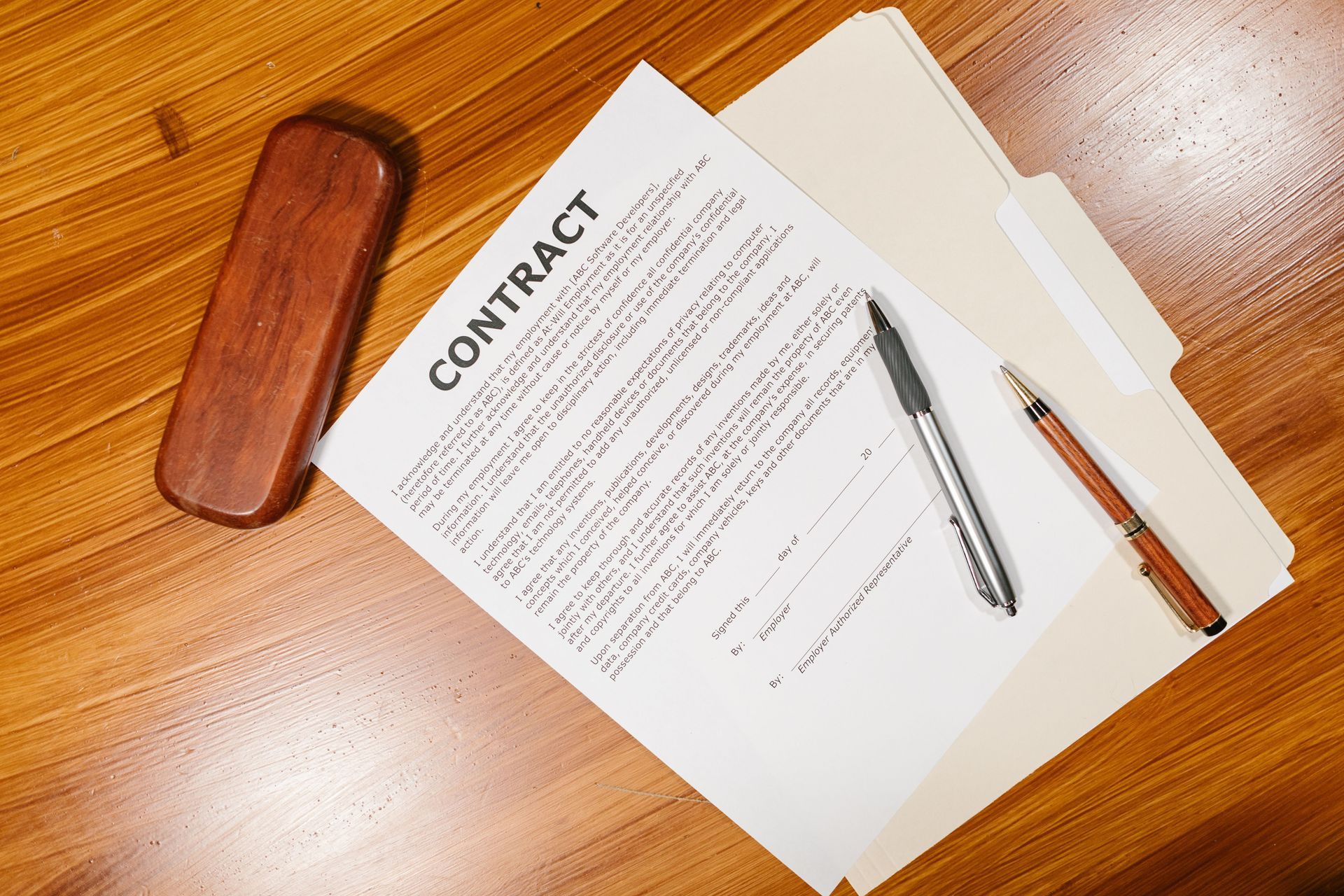
The HSSA doesn't just create a right to cancel; it dictates what the paperwork has to say. Per both KJK's and Kohl & Cook's breakdowns of the statute, a compliant home solicitation contract must be in writing and include, at minimum:
- The date of the transaction
- The seller's name and business address
- A separate "Notice of Cancellation" form, in the form the statute requires, explaining the buyer's right to cancel
Sellers are also barred from including certain clauses, such as a confession of judgment or a waiver of the buyer's statutory rights. If your bathroom remodel or addition proposal doesn't include a cancellation notice at all, that's a compliance gap worth raising with the contractor before you sign anything else.
How to Actually Cancel During the Cooling-Off Period
If you decide to cancel, the process is meant to be simple: you notify the seller, in writing, before midnight of the third business day after signing, using the cancellation form the contract should have included. Kohl & Cook's summary of the statute notes that once a valid cancellation is received, the seller is required to refund any payments made within 10 business days.
Keep a copy of whatever you send and how you sent it. If a contractor disputes that you cancelled in time, that record is what settles the question. A few practical habits make this easier if you ever need it:
- Send the cancellation notice in writing, not just a phone call, even if you also call.
- Use a method that creates a timestamp, such as email or a mailed letter you can track.
- Keep your own signed copy of the original contract and the cancellation notice that came with it.
- Note the date and time you signed, since the three-business-day clock starts from that moment.
It's also worth knowing what happens to any money you've already put down. Because home improvement contracts routinely run well above the law's $25 threshold, the cancellation right applies to the full agreement, not just part of it. If you cancel validly, Kohl & Cook's guidance is clear that the full deposit is owed back within 10 business days, not prorated for time already spent on estimates or design work.
What Happens If a Contractor Ignores the Law
Failing to comply with the HSSA, whether by omitting the cancellation notice, misrepresenting the buyer's right to cancel, or starting work before the period expires, is treated as a deceptive act under Ohio's broader Consumer Sales Practices Act (CSPA). Per KJK, an HSSA violation is frequently paired with a CSPA claim, and CSPA remedies can include actual damages, and in some cases treble damages plus attorney's fees. That's a meaningful deterrent, and it's part of why reputable contractors build the cancellation notice into every proposal rather than treat it as paperwork to skip.
When the 3-Day Right Doesn't Apply — and What Still Protects You
The cooling-off period is not universal. It generally doesn't apply to contracts signed at a contractor's own office or showroom, purchases under $25, or transactions initiated entirely by the buyer over mail or phone. If your project doesn't fall under the HSSA, that doesn't leave you unprotected: Ohio's permitting rules, lien laws, and licensing requirements still apply to any remodel. We've broken those down separately, including whether your project needs a permit and what to ask a contractor before you hire them.
How This Shapes the Way We Write Every CLE Remodeling Proposal
Todd and Laura Wallace have been remodeling homes across Greater Cleveland for more than 20 years, and one thing hasn't changed: nobody should feel rushed into signing. Whether we're scoping a kitchen, a basement, or a full whole-house renovation, every written proposal spells out the scope, the price, and your cancellation rights before you're asked to sign anything. You can read more about how Todd and Laura run the business on our about page, or see what past clients say on our reviews page. If you're still in the planning stage, our room-by-room renovation checklist is a good next step before you start collecting bids, and our breakdown of renovation ROI in Cleveland can help you decide where to invest first.
Frequently Asked Questions
Does the 3-day right to cancel apply if I sign at a contractor's showroom instead of my home?
Generally no. The HSSA applies to sales solicited away from the seller's regular place of business. A contract signed at a fixed office or showroom typically falls outside the law, though the specific facts matter.
Do I need to give a reason to cancel?
No. Within the three-business-day window, you can cancel for any reason or no reason at all, without penalty.
What if the contractor already delivered materials or started work?
Under the HSSA, sellers covered by the law aren't supposed to begin work or deliver goods until the cooling-off period has expired. If that happened anyway, it's worth discussing with an attorney, since it may bear on your cancellation rights and any refund owed.
How long does a refund take after I cancel?
Sellers are required to refund payments within 10 business days of receiving a valid, timely cancellation notice.
Does this replace the need to check permits and licensing?
No. The cancellation right is separate from Ohio's permitting and contractor licensing rules, which apply regardless of where you signed the contract.
This article explains Ohio's Home Solicitation Sales Act (R.C. 1345.21 et seq.) in general terms and is not legal advice. If you have questions about a specific contract, consult an Ohio-licensed attorney.