How to Prepare Your Cleveland Home for a Renovation Project: A Room-by-Room Checklist
A remodel doesn't start when the crew shows up with tools it starts weeks earlier, in how you prepare the rooms around the work zone. Greater Cleveland's housing stock skews older than the national average, which means more plaster walls, more pre-1978 paint, and more plumbing and electrical surprises once a wall opens up. None of that has to derail your timeline if you know what to do before the first day of demolition.
This guide walks through what actually needs to happen in the weeks before a kitchen remodel, bathroom remodel, basement remodel, or larger whole-house renovation in Cleveland, room by room, plus what the city's own rules mean for your schedule.
1. Why Prep Matters More in Cleveland's Older Housing Stock
A lot of national remodeling advice assumes a newer build with drywall, modern wiring, and a garage to stage materials in. Much of Greater Cleveland, Tremont, Ohio City, Lakewood, Cleveland Heights, Shaker Heights is full of homes built well before 1978, often with plaster and lath walls instead of drywall and original wiring that a contractor has to work around rather than simply extend. That changes two things: how long demolition takes, and whether lead-safe containment procedures apply (more on that below).
The upside of planning around this instead of being surprised by it: crews move faster when the work area is already cleared, and you avoid the two most common causes of mid-project delay, waiting on a decision you haven't made yet, and finding something in the walls nobody protected against.
2. Start With a Clear Plan and Contractor Communication
Before anything gets torn out, you and your contractor should agree, in writing, on scope, a rough timeline, and how decisions get made once walls are open and something unexpected turns up (old knob-and-tube wiring, undersized joists, a shared wall issue with a neighboring unit). The National Association of Home Builders (NAHB) puts it plainly in its consumer remodeling guidance: write a prioritized list of your needs and wants before you start, because the clearer you can describe the project on paper, the better prepared everyone is to make decisions once work begins. NAHB also notes that more than 30% of the repair work licensed remodelers get called in for traces back to a failed DIY attempt, a good argument for having a professional handle anything structural, electrical, or plumbing-related from the start.
If you haven't finished vetting your contractor yet, our guide on what to ask a contractor before hiring covers Cleveland specific registration and insurance questions worth settling before you sign anything.
3. Room-by-Room: Clearing and Protecting Your Space
The specifics change by room, but the goal is the same everywhere: get anything valuable, fragile, or in the way out of the work zone, and seal off what's staying.

Kitchen
Empty cabinets and drawers into labeled boxes by function (cooking, baking, everyday dishes) so you're not hunting through a garage full of boxes for a can opener mid-project. If you're keeping the kitchen at least partly usable, set up a temporary station elsewhere in the house — a folding table with a microwave, electric kettle, and mini-fridge covers most of what a family needs for a few weeks. Disconnect and clear the space around large appliances that are staying, and confirm with your contractor which ones move out entirely during demo. See our step-by-step kitchen remodel planning guide for the fuller phase-by-phase breakdown.
Bathroom
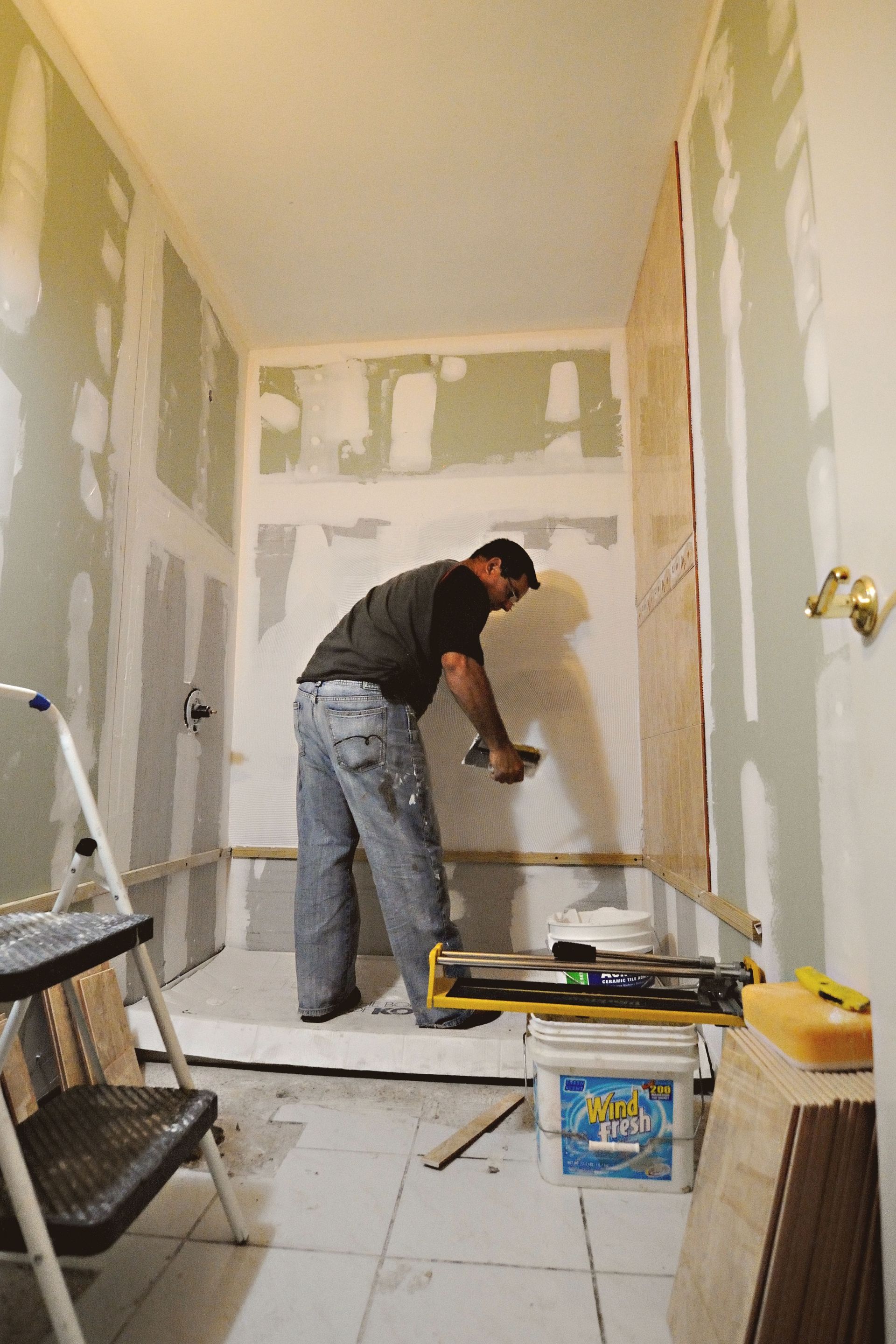
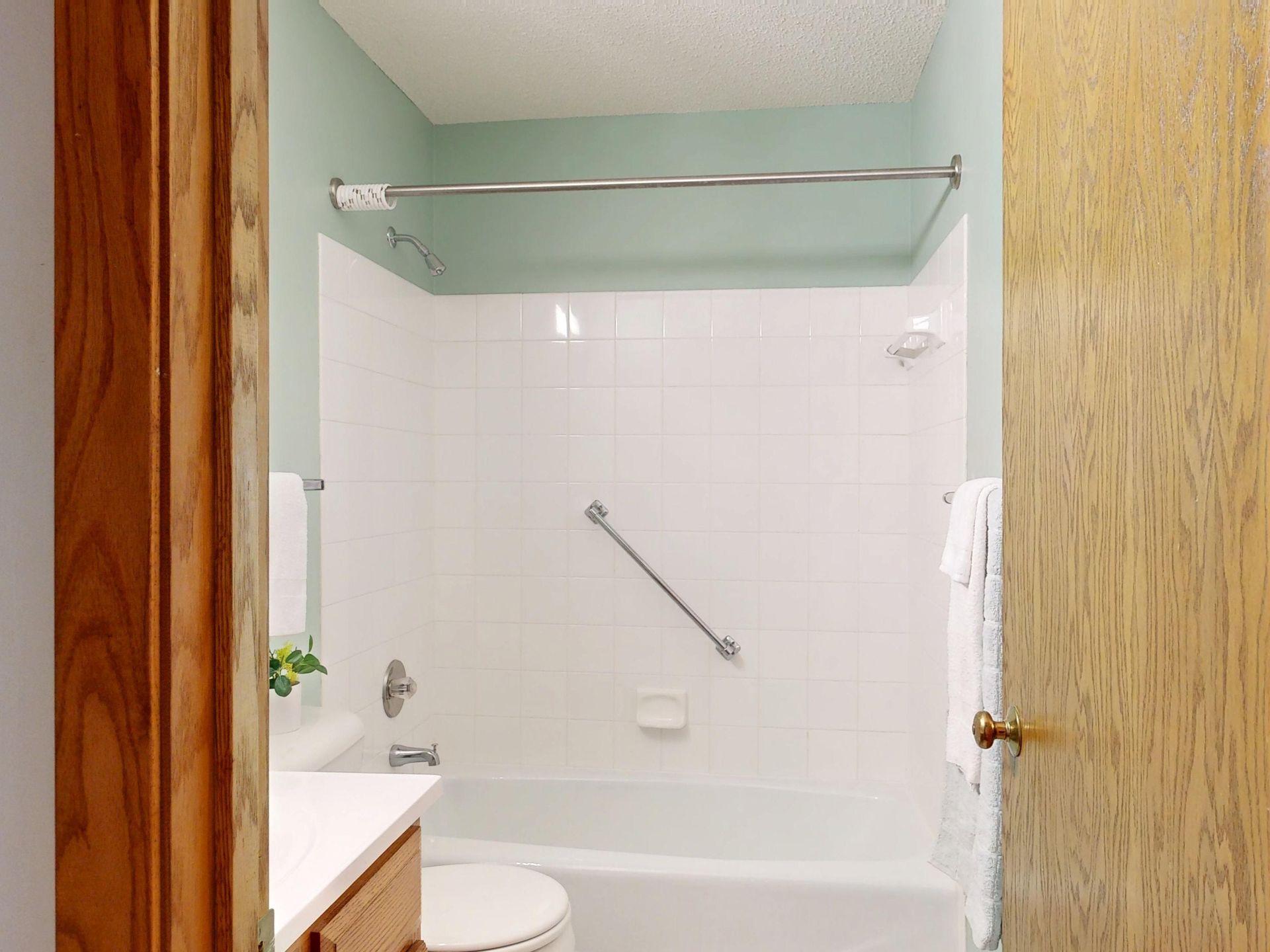
If it's your only full bathroom, plan where you'll shower and get ready during construction, a neighbor, gym membership, or a portable setup in another bathroom. Clear out medicine cabinets, toiletries, and towels well before demo day, and expect water to be shut off to that line for stretches of time; confirm the schedule with your contractor so you're not caught off guard.
Basement or Whole-House Projects
Basements collect years of stored belongings, and a lot of it needs to move out entirely before framing or electrical work starts, not just pushed to one corner. If your basement project includes adding a bedroom or second exit, check out our guide to Ohio's egress window rules, since that can change the scope of the exterior work. For a whole-house renovation, work room by room with your contractor on a sequence so you always have at least one livable space; ask specifically how they plan to protect flooring and stairwells that will see the heaviest foot traffic during the project.
4. What Cleveland's Permit and Noise Rules Mean for Your Timeline
Most structural, electrical, and plumbing work in the city requires a permit before work starts, our permit guide for Cleveland remodels breaks down what triggers one and what doesn't. Build the permit review window into your expectations up front rather than assuming demo can start the day you sign a contract.
The city also regulates when construction noise is allowed. Under Cleveland's Codified Ordinances § 605.10(b)(8), construction or demolition activity, including power tools, is prohibited between 7:00 p.m. and 7:00 a.m. within 500 feet of a residence, and jackhammer use specifically is restricted to weekdays between 8:00 a.m. and 7:00 p.m. That means your crew's daily start and stop times aren't arbitrary; they're built around what the city actually allows, which is worth knowing if you're wondering why work doesn't start at sunrise. Planning a larger-scope project? Our zoning and setback rules guide covers what to check before you design an addition.
5. Lead-Safe Precautions for Pre-1978 Cleveland Homes
If your home was built before 1978, true for a large share of housing stock in Cleveland's older neighborhoods, federal rules require licensed renovators to use lead-safe work practices any time painted surfaces are disturbed. That means containing the work area with plastic sheeting to keep dust from spreading to the rest of the house, using power tools fitted with HEPA exhaust control rather than standard shop tools, and a verified cleanup process before the area is considered done. We cover exactly what this involves, and what it means for your project, in our EPA lead paint rules guide for older Cleveland homes. The practical takeaway for prep: don't let pets or kids into the work zone once containment goes up, and keep it that way until your contractor confirms cleanup is complete.
6. Living Through the Work: Dust, Access, and Daily Routines
Even with containment, fine dust travels further than people expect. Close doors to rooms not involved in the project, and consider taping plastic over air vents in the work area so dust doesn't circulate through your HVAC system. Set up a clear, single path in and out of the work zone for the crew, ideally not through your main living space, to cut down on tracked-in debris elsewhere in the house.
Have you thought about how your daily routine changes once the crew is on site five days a week? Most Cleveland homeowners find the first week is the hardest simply because the household hasn't settled into a new rhythm yet, a temporary kitchen station, a different bathroom, work hours that start earlier than you're used to. By the second week, most families settle into it, which is exactly the outcome good prep work is aiming for.
A few small habits make that adjustment period shorter. Walk the work area with your contractor at the end of each week to flag anything that's bothering you, a door that won't latch because of dust buildup, a path that's become a tripping hazard, while it's still a quick fix rather than a recurring frustration. Keep a folder (physical or digital) for permit paperwork, product selections, and any change orders, so you're not searching for a receipt or a paint chip three weeks in. And if you have pets, plan for where they'll stay during the loudest phases of demo; a stressed animal near an open work zone is a safety risk for everyone, including the crew.
Frequently Asked Questions
How far in advance should I start preparing my home for a remodel?
Start clearing and packing at least two to three weeks before your scheduled start date, once your permit is in hand and your contractor has confirmed a start date. Waiting until the week off can put you scrambling and can push back the crew's first day.
Do I need to move out during a kitchen or bathroom remodel?
Not usually for a single-room project if you set up a temporary kitchen or bathroom workaround elsewhere in the house. Whole-house renovations sometimes make more sense with a temporary relocation, your contractor can tell you early on whether your specific scope calls for it.
What time can construction crews legally start work in Cleveland?
Under the city's noise ordinance, construction and demolition activity near a residence is prohibited between 7:00 p.m. and 7:00 a.m., and jackhammer use is limited to weekdays between 8:00 a.m. and 7:00 p.m.
Does my older Cleveland home need special precautions before work starts?
If it was built before 1978, yes, lead-safe containment is a federal requirement any time painted surfaces are disturbed. Ask your contractor to confirm their firm is RRP-certified before work begins.
A little preparation up front clearing rooms, agreeing on a communication plan, and understanding how the city's permit and noise rules shape your schedule is what keeps a Cleveland remodel on track once the work actually starts. If you're getting ready for a project, CLE Remodeling Co. is happy to walk through what prep looks like for your specific home. Reach out for a free estimate at (216) 505-0352.