Change Orders During a Cleveland Remodel: How to Avoid Budget Surprises
Halfway through a Cleveland remodel, the contractor finds something behind the wall that wasn't in the original scope old knob-and-tube wiring, a soft subfloor, a plumbing line that doesn't match the plans. Now what? That's a change order: a written amendment to your contract that adjusts scope, cost, or schedule after work has already started. Handled well, it's a routine part of remodeling an older home. Handled poorly, it's the single most common source of budget blowups and contractor disputes in Cleveland's older housing stock.
This guide covers what a change order actually is, why Cleveland homes generate more of them than new construction, what Ohio law requires before you sign one, what they typically cost, and how to keep one from derailing your kitchen remodel, bathroom remodel, or whole-house renovation.
What a Change Order Actually Is (and Why It Exists)
A change order is a documented amendment to your original remodeling contract. It specifies exactly what's changing added work, removed work, a material substitution, a schedule shift and what it does to the price and the timeline. A legitimate change order is signed by both you and the contractor before the new work starts, not billed after the fact as a surprise line item.
Change orders exist because no contract, however detailed, can fully predict what's behind a wall that hasn't been opened yet. They're not automatically a red flag. A contractor who never issues a single change order on an older-home remodel is either extremely lucky or not looking closely enough. The problem isn't that change orders happen it's when they happen without a written, priced, signed agreement first.
Why Older Cleveland Homes Trigger More Change Orders Than New Construction
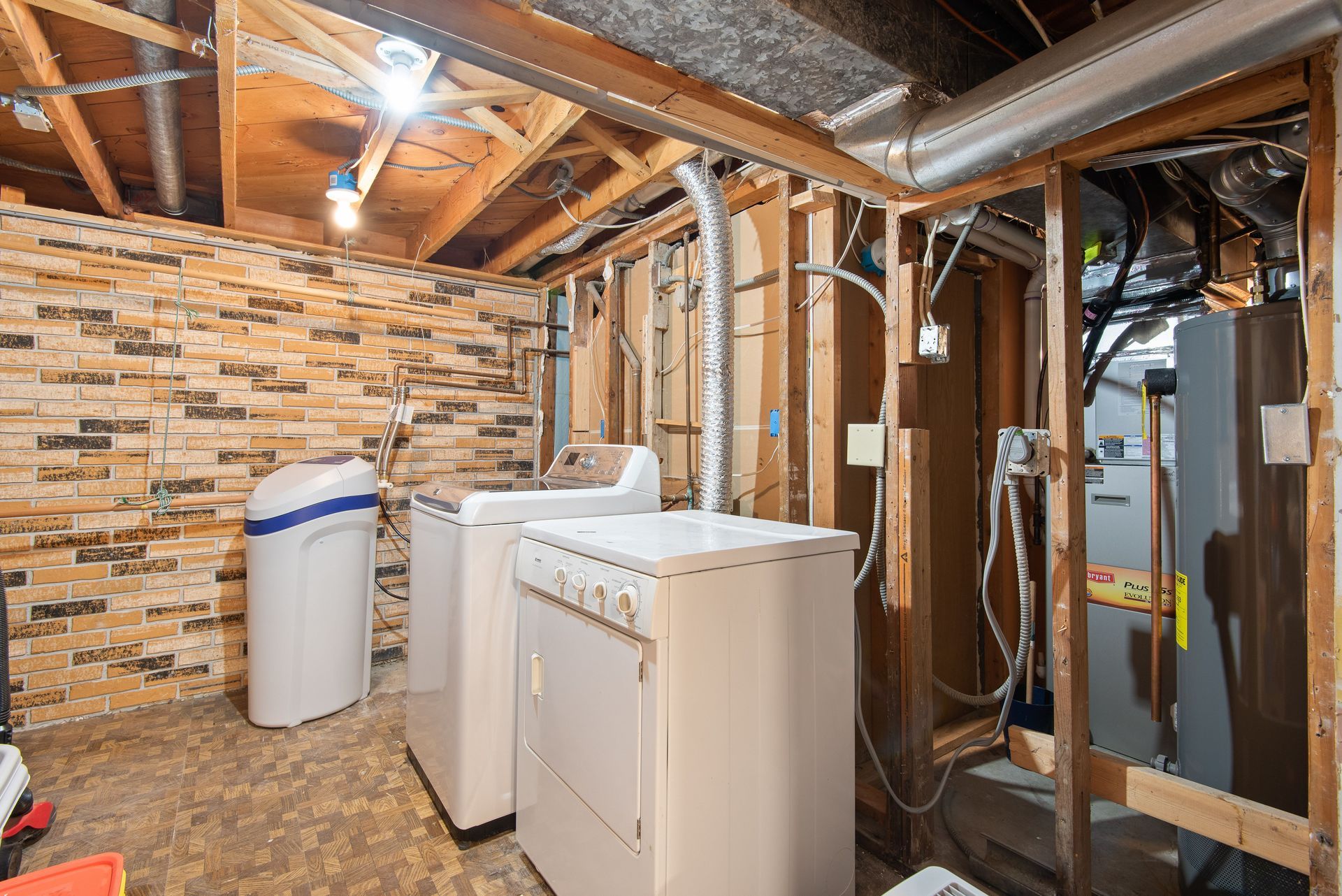
Cleveland's housing stock skews old. Neighborhoods like Cleveland Heights, Lakewood, and Rocky River are full of homes built well before modern electrical, plumbing, and framing standards existed. Once a wall or ceiling is opened, a contractor routinely finds things the original plans couldn't have accounted for: outdated wiring, undersized plumbing, water damage from a decades-old leak, or framing that doesn't match current code.
None of that is unique to any one Cleveland contractor it's a function of the age of the housing stock, confirmed by remodelers across the region who report the same pattern of hidden issues surfacing once demolition starts ( McClurg Team, common problems in older-home remodels). The practical takeaway: if you're remodeling a pre-1970s Cleveland-area home, budget for the possibility of a change order from the start rather than treating one as an exception.
Ohio Law: Why Your Change Order Needs to Be in Writing, Not a Handshake
This isn't just good practice — for many Cleveland-area remodels, it's Ohio law. Under Ohio's Home Solicitation Sales Act, a contract for home improvement work reached at your residence (which covers most remodeling agreements) must be a written agreement, signed by both parties, spelling out the terms of the sale ( Ohio Revised Code § 1345.23). Legal guidance on the Act is consistent on this point: the required writing has to cover the full agreement, and a seller who fails to provide it in writing exposes both sides to disputes down the line ( JD Supra, avoiding pitfalls under Ohio's Home Solicitation Sales Act).
That same logic extends to any amendment of the original agreement. If your base contract has to be in writing to be enforceable, a verbal "sure, we'll just add that and figure out the cost later" doesn't hold up any better as a change order. Before you approve added work, ask your contractor for the change in writing: what's changing, what it costs, and how it affects your completion date. If a contractor is reluctant to put it in writing, that reluctance is itself useful information.
What Change Orders Actually Cost — And Why the Range Is So Wide
There's no single industry-standard number here, and any contractor who quotes you one precise percentage across every project is oversimplifying. Two data points illustrate the range: a review of completed additions, remodels, and new-construction projects by New Avenue Homes found change orders added an average of 8% to the final project cost across the projects they reviewed. Other renovation budgeting guides cite a wider range — Mayflower Valet, on the 30% renovation budgeting rule, notes that change orders made during construction can add 15 to 25 percent to a project's cost when decisions aren't finalized before demolition starts.
The gap between those figures isn't a contradiction it reflects how much of the scope was locked down before work began. Projects with a detailed, finalized plan (finishes selected, permits pulled, scope fully drawn) tend to land at the lower end. Projects where decisions get made mid-construction a different tile chosen after demo, a layout tweak once the space is opened up land at the higher end. That's the lever you actually control.
Five Ways to Keep Change Orders From Blowing Up Your Budget
You can't eliminate change orders on an older Cleveland home, but you can control how much they cost you. Construction management guidance converges on the same handful of practices regardless of project size ( PB Construction Law, managing change orders; Lutz, avoiding cost overruns in construction projects; SuperConstruct, change order management best practices):
- Finalize the scope and finishes before demolition. Every decision made after a wall is open — a different countertop, a moved outlet — is a change order. Decisions locked in beforehand aren't.
- Build a contingency into your budget from day one. Given how common change orders are in older homes, treat a contingency (not a "nice to have") as part of the real project cost, not an emergency fund you hope not to touch.
- Require a written, priced change order before any added work starts. No verbal "go ahead" on added scope. If it's not written down with a price and a signature, it's not a change order it's an argument waiting to happen.
- Ask what triggered the change. A hidden structural issue is a legitimate change order. Vague scope in the original contract shouldn't turn into "extra" work you're billed for later that's a sign the original estimate wasn't detailed enough.
- Track cumulative cost and schedule impact as changes come in , not just the price of each one in isolation. Three small $800 change orders add up the same as one $2,400 surprise.
Questions to Ask Before You Sign a Change Order
Before you approve anything, ask your contractor to answer these in writing: What exactly is changing, in plain terms? What's driving it something hidden behind a wall, a code requirement, or a preference change? What's the total added cost, broken out from the original contract price? Does it push back your completion date, and by how much? If you have questions about whether a contractor's estimate process holds up to this level of detail before you even sign the original contract, our guide on planning a kitchen remodel in Cleveland walks through what a thorough pre-construction scope should include.
Permits are worth a specific mention here. If a change order adds scope that requires its own permit moving a load-bearing wall, adding square footage, altering plumbing or electrical beyond the original filing that has to go through the same municipal process as the rest of the job. Our guide on permit requirements for a Cleveland remodel covers when a permit is required and what happens if work proceeds without one.
Red Flags: When a "Change Order" Is Really a Bait-and-Switch
Not every added cost mid-project is a legitimate change order. Some warning signs worth taking seriously: the contractor won't put the additional cost in writing before doing the work; the "discovery" driving the change order is vague or unverifiable; the original bid was unusually low compared to other estimates, and the change orders start almost immediately after work begins; or you're asked to approve a change order verbally, with the paperwork to "follow later." Ohio's written-agreement requirement under the Home Solicitation Sales Act exists precisely to protect homeowners from this pattern — use it. If a contractor pushes back on documenting a change in writing before starting the work, that's the moment to slow down, not sign.
Budgeting for a Cleveland Remodel That Won't Surprise You
Change orders aren't a scare story they're a normal part of remodeling a home that's older than most of the systems inside it. What separates a manageable change order from a budget-wrecking one is whether it's finalized in writing, priced clearly, and tied to a real reason before the work happens. If you're planning a kitchen, bathroom, home addition, or basement remodel in the Cleveland area and want a detailed, written estimate from the start not surprises after demo day — get in touch with CLE Remodeling Co. for a free estimate at (216) 505-0352. You can also see how past projects' budgets held up in our piece on home renovation ROI in Cleveland.
Frequently Asked Questions
Is a verbal change order legally binding in Ohio?
For most residential remodeling contracts covered by Ohio's Home Solicitation Sales Act, the underlying agreement has to be in writing (Ohio Revised Code § 1345.23), and that same standard should apply to any amendment. A verbal add-on is much harder to enforce and to dispute if the final bill doesn't match what was discussed.
Can a contractor refuse to give me a written change order?
They can refuse, but you're not obligated to pay for or accept added work that was never documented and priced in advance. If a contractor won't put a change order in writing before starting the work, treat that as a red flag rather than a formality to skip.
How much contingency should I budget for a Cleveland remodel?
There's no universal number, but given how often change orders surface in older housing stock, building a specific contingency into your total budget rather than assuming the original quote is the final cost is standard practice recommended across construction budgeting guides.
Do all change orders mean my contractor made a mistake?
No. Many change orders come from conditions no one could see until a wall or floor was opened, which is common in homes built decades before current code. The distinction that matters isn't whether a change order happens it's whether it's documented, priced, and approved before the work is done.