Tub-to-Shower Conversion Cost in Cleveland, Ohio: 2026 Guide | CLE Remodeling Co.
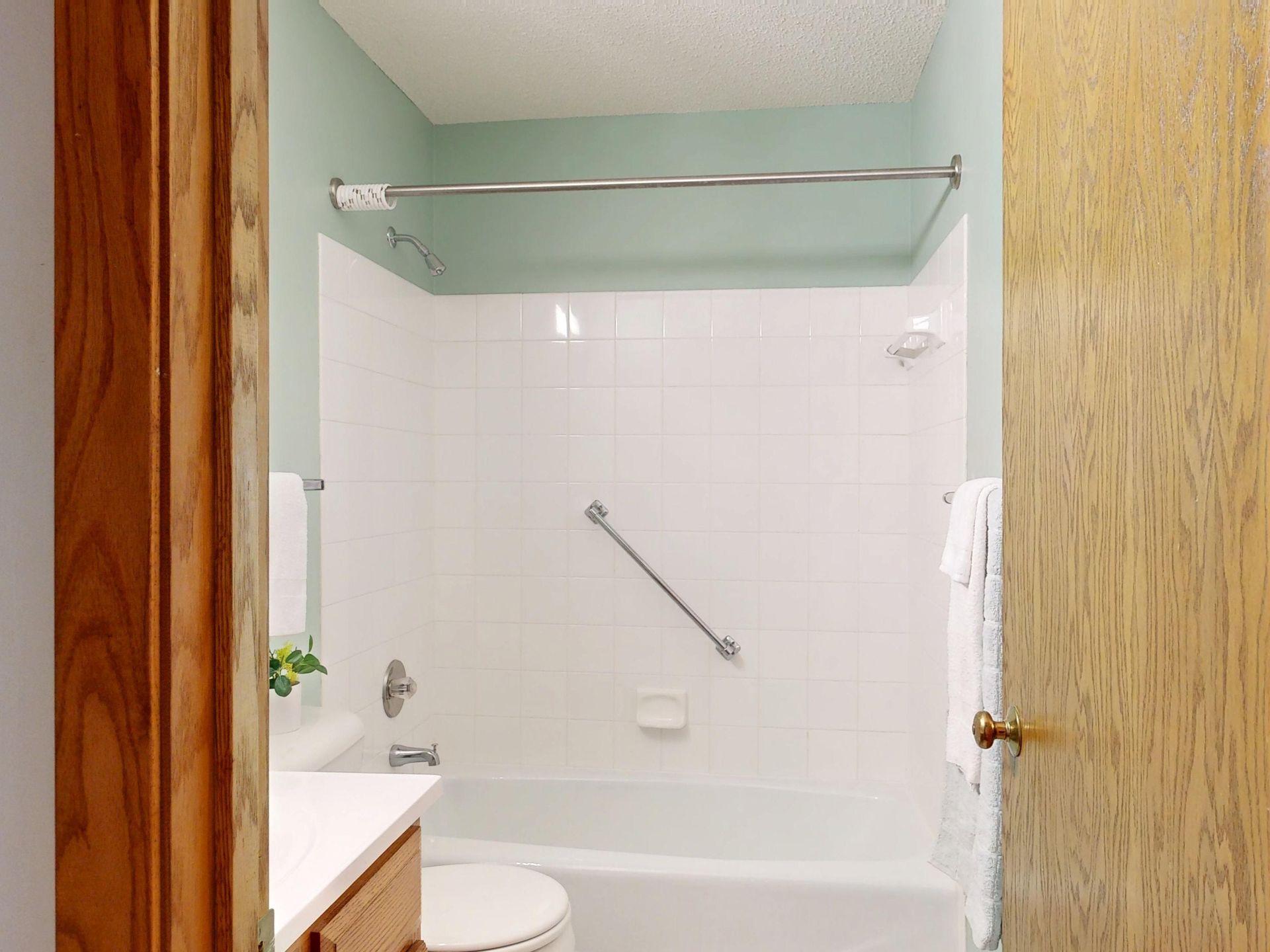
A bathtub that hasn't been used in years is one of the most common regrets we hear from Greater Cleveland homeowners, especially in the area's stock of older Tremont, Lakewood, and Cleveland Heights homes where a cramped, dated tub eats up space a walk-in shower could put to better use. A tub-to-shower conversion is one of the fastest ways to modernize a bathroom, improve safety, and add real resale value without the cost or disruption of a full gut remodel.
This guide breaks down what a tub-to-shower conversion actually costs in 2026, what Cuyahoga County permit rules apply, and how to decide whether it's the right move for your home.
What a Tub-to-Shower Conversion Actually Involves
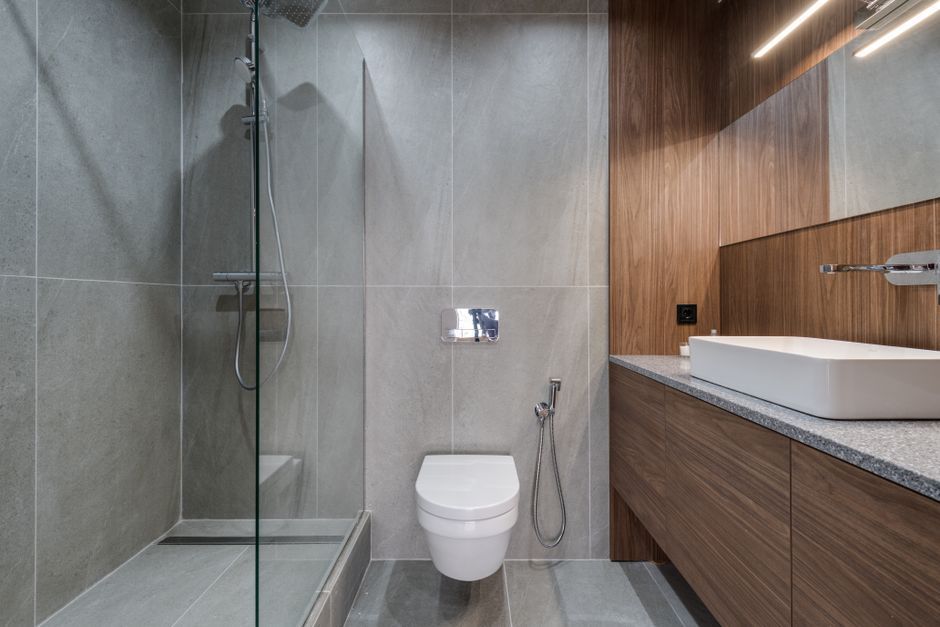
A tub-to-shower conversion means removing an existing bathtub and replacing it with a standalone shower, typically a larger footprint than the tub it replaces, since showers don't need to hold standing water the way a tub does. The scope can range from a simple swap using a prefabricated shower pan and surround kit, to a fully custom, tiled walk-in shower with a frameless glass enclosure and a curbless (zero-entry) floor.
The right approach depends on your budget, your home's existing plumbing layout, and whether accessibility is a priority. All three options are common in the older housing stock across Cleveland, Lakewood, Cleveland Heights, and Rocky River, where original 1940s–1960s bathrooms were rarely built with today's shower expectations in mind.
Tub-to-Shower Conversion Cost in Cleveland, Ohio: 2026 Price Breakdown
According to Angi's 2026 cost data, a basic tub-to-shower conversion nationally runs $1,200 to $8,000, while a custom tiled walk-in shower typically lands between $6,000 and $15,000 depending on materials, drain relocation, and glass enclosure choices. Where a specific project falls in that range comes down to scope, here's how the three most common tiers break down.
Basic Prefab Swap
The most affordable option: removing the tub and installing a prefabricated shower pan and surround kit using the existing plumbing location. No custom tile, no layout changes. This is the fastest and least disruptive route, and it's a common choice for a rental property or a starter-home bathroom refresh.
Mid-Range Custom Tile Walk-In
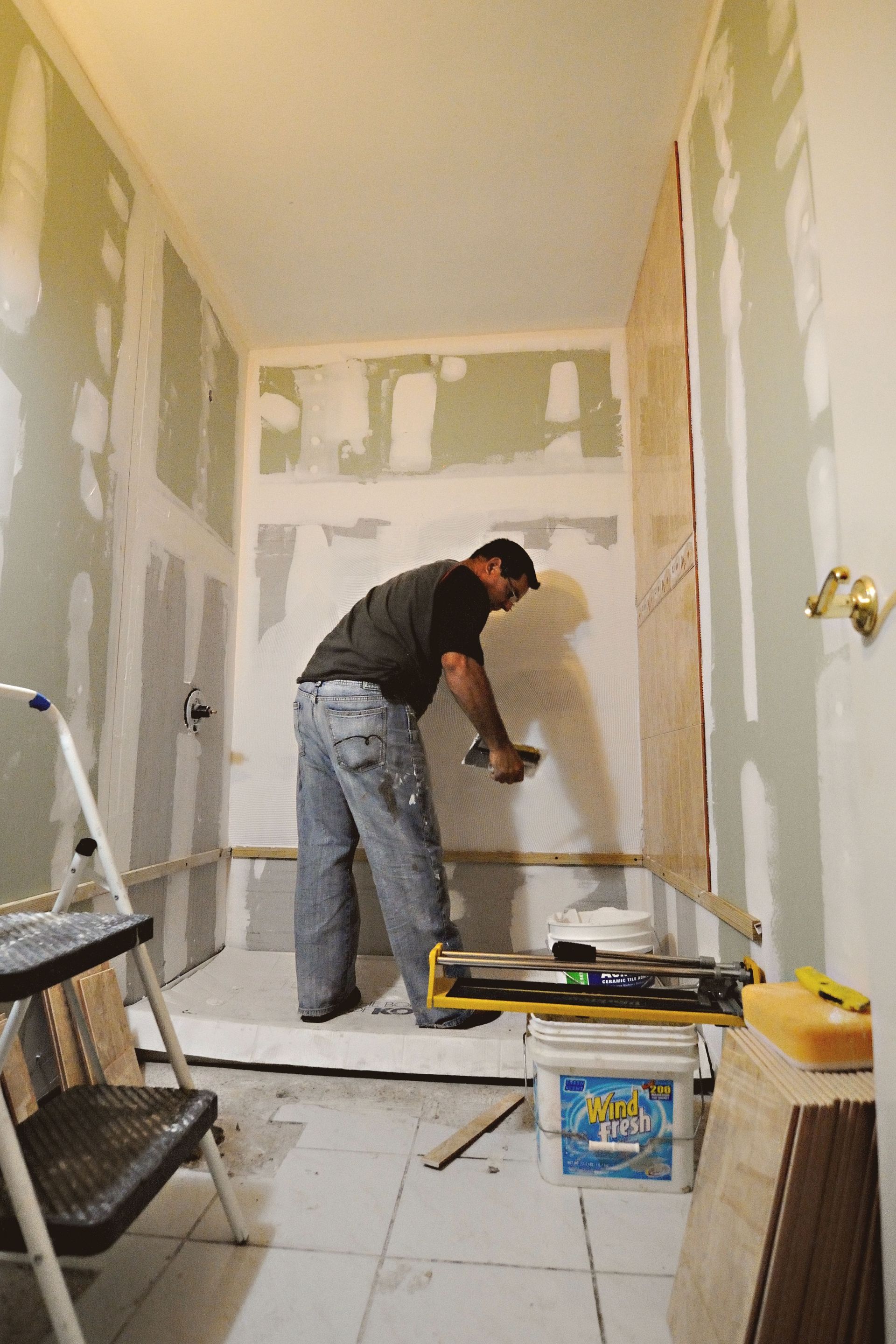
A custom shower pan, ceramic or porcelain tile surround, a glass door, and new fixtures, still using the existing plumbing location in most cases. This is the tier most Cleveland-area homeowners land on when they want a shower that looks intentional rather than swapped-in.
Curbless (Zero-Entry) Shower
A barrier-free, step-free entry that requires modifying the subfloor to slope toward a linear drain, plus a full waterproofing membrane system. It's the most expensive tier because it involves structural floor work, but it's also the option that best supports aging-in-place bathroom remodeling for homeowners planning to stay in their Cleveland home long-term.
Per Angi, expect to budget roughly $250 to $500 for the plumbing permit itself, on top of the conversion cost. For an apples-to-apples number for your specific bathroom, tub size, wall condition, and plumbing access all move the price, the most reliable way to know what your project costs is a walk-through and a written estimate; CLE Remodeling Co. provides free, itemized estimates for Greater Cleveland homeowners.
What Drives the Price Up or Down
A few factors move a tub-to-shower conversion from the low end of the range to the high end:
- Drain relocation. Keeping the shower drain in the tub's existing location is the cheapest path. Moving it, common when converting to a larger or curbless footprint, means cutting into the subfloor and, in some cases, the slab below.
- Material choice. A fiberglass or acrylic surround kit costs far less installed than a fully tiled shower with a bench, niche, and multiple showerheads.
- Wall and floor condition. In older Cleveland homes, opening the wall around a decades-old tub sometimes reveals galvanized plumbing or moisture damage that needs to be addressed before the new shower goes in, worth budgeting a contingency for.
- Glass enclosure. Frameless glass costs meaningfully more than a framed door or a shower curtain, but it's the look most homeowners are chasing with this upgrade.
Do You Need a Permit in Cuyahoga County?
Yes, in almost every case. Ohio adopted the Ohio Residential Code (based on the International Residential Code) as its statewide construction standard, and per the Ohio Department of Commerce's residential code, any work that touches plumbing systems, which a tub-to-shower conversion does by definition, falls under permitted work. The code is specific about the shower itself, too: bathtub and shower walls must be finished with a nonabsorbent surface extending at least 6 feet above the floor.
Permits in Ohio are issued and enforced locally, so the exact office depends on whether your home sits in Cleveland proper or one of the surrounding municipalities, Lakewood, Cleveland Heights, Shaker Heights, Rocky River, and the rest of Greater Cleveland each run their own building department. We've covered the general permit process in more detail in Do You Need a Permit for Your Cleveland Home Remodel?, and it's worth confirming licensing before you hire anyone for plumbing work, see Is Your Cleveland Contractor Licensed? for what Ohio law actually requires.
Why Cleveland Homeowners Are Converting: Safety, Space, and Resale
Three reasons drive most tub-to-shower conversions, and they're not just about style.
Safety. Per the CDC's analysis of national emergency department data, roughly 81% of nonfatal bathroom injuries in the U.S. are caused by falls, with injury rates highest among older adults, and most of those falls happen getting in or out of the tub. A curbless or low-threshold shower removes the single biggest fall hazard in the room, which is why this upgrade shows up so often in aging-in-place bathroom remodeling plans.
Space. Removing a bulky tub frequently opens up enough floor space to make a small, boxy bathroom feel noticeably larger, a common win in the compact bathrooms typical of Cleveland's pre-1960s housing stock.
Resale value. Angi puts the average return on investment for a tub-to-shower conversion at around 60%, a meaningful recovery for a project that's far less expensive than a full bathroom gut. That said, if your home only has one bathroom, most agents still recommend keeping at least one tub somewhere in the house for buyers with young children. Our Home Renovation ROI in Cleveland, Ohio guide covers how this compares to other popular projects.
How Long Does a Tub-to-Shower Conversion Take?
A basic prefab swap can often be completed in 2–3 days once materials are on site. A mid-range custom tile shower typically takes 5–8 working days to allow for framing adjustments, waterproofing cure time, and tile setting. A curbless conversion with subfloor modification and drain relocation can run 7–12 days. Expect your bathroom to be out of service for the full window, plan accordingly if it's your only bathroom.
Is a Tub-to-Shower Conversion Right for Your Cleveland Home?
If your household doesn't rely on the tub for bathing kids or pets, and the bathroom in question isn't your home's only one, a tub-to-shower conversion is usually a straightforward win: lower cost than a full remodel, a meaningful safety upgrade, and a real bump in resale appeal. If you're weighing a lighter-touch update instead, our Small Bathroom Remodel Ideas for Cleveland's Older Homes guide and our broader Bathroom Remodeling Best Practices post cover other options worth considering side by side.
Frequently Asked Questions
Can any bathtub be converted to a shower?
In almost all cases, yes as long as there's an existing water supply and drain to work from. The complexity (and cost) goes up if the new shower needs a different footprint or drain location than the old tub.
Is a tub-to-shower conversion cheaper than a full bathroom remodel?
Yes, significantly. A full bathroom remodel in Cleveland typically runs well beyond what a focused tub-to-shower conversion costs, since a full remodel usually touches the vanity, flooring, lighting, and layout in addition to the tub or shower. See our Bathroom Remodel Cost in Cleveland, Ohio guide for the full-remodel comparison.
Do I need to keep at least one tub in my house?
Not by code, this is a resale consideration, not a legal one. If your home has multiple bathrooms, converting one tub to a shower rarely affects resale value. If it's your only bathroom, many homeowners choose to keep the tub for buyer appeal, particularly in family neighborhoods.
How do I get an accurate price for my bathroom specifically?
Cost guides give you a realistic range, but the only way to get a firm number is a walk-through of your specific bathroom, since plumbing access, wall condition, and material choice all move the price. Request a free estimate and we'll walk you through the options.
Ready to Talk Through Your Bathroom?
Todd and Laura have led CLE Remodeling Co.'s kitchen and bathroom projects across Greater Cleveland for over 20 years, with a straightforward promise: transparent, upfront pricing and craftsmanship that holds up. Browse recent Cleveland bathroom remodels in our portfolio, read what our clients say, or reach out for a free estimate on your tub-to-shower conversion.