How Long Does a Kitchen Remodel Take in Cleveland, Ohio? A Realistic Timeline
You've picked out the cabinets. You know exactly where the island is going. The one question left is the one that actually determines when you get your kitchen back: how long is this going to take? For most Cleveland homeowners, the honest answer is somewhere between three and nine months from the first design conversation to the final walkthrough, depending on scope, material choices, and how much of the house you're touching along the way.
That's a wide range, and it's wide for a reason. A kitchen remodel that swaps countertops and repaints cabinets moves a lot faster than one that relocates plumbing, opens a wall, and waits on custom cabinetry. Below is a realistic, phase-by-phase breakdown of where the time actually goes, plus the one local variable most national guides skip: how Cleveland's own permit process fits into your schedule.
The Short Answer: What a Realistic Timeline Looks Like
According to the 2020 U.S. Houzz & Home Study, kitchen remodeling projects took homeowners an average of 8.3 months of planning time and 4.5 months of actual construction time. Separately, kitchen design firm RSI Kitchen & Bath reports that across all project types, the total timeline from initial design meeting to final walkthrough typically spans six to nine months, with a full renovation that replaces cabinetry, countertops, flooring, and appliances generally landing in the three-to-six-month range from first meeting to final inspection.
Those numbers include the planning and ordering time most homeowners underestimate. The actual construction window, the part where your kitchen is unusable, is shorter, and it's the part we'll break down phase by phase below.
Phase 1: Planning and Design (2–6 Weeks, Plus Lead Times)
This is the phase that determines everything else. Layout, cabinetry style, countertop material, appliance selections, and plumbing/electrical changes all get locked in here, and every decision has a downstream effect on your schedule. Rushing this stage to "get to the real work" is one of the most common ways a kitchen remodel timeline blows out. Our own step-by-step kitchen remodel planning guide walks through this stage in more depth if you're just getting started.
The catch most homeowners miss: custom materials take time to produce, and that clock starts the moment you finalize your selections, not the moment demolition begins. Custom cabinetry is typically manufactured to order and can take eight to fifteen weeks from order to arrival. Stone countertops require fabrication after templating, which adds roughly one to two more weeks on top of that. If you want your kitchen renovation to move efficiently, cabinets and countertop material need to be ordered well before the demo crew shows up — not after.
Cleveland's Permit Timeline: The Local Variable
Most national kitchen-remodel guides give a vague "permit timelines vary by location" and leave it there. In Cleveland, the City's Division of Construction Permitting is specific about it: per the City of Cleveland's Building & Housing Department, plan review for one- and two-family homes is generally completed in three to five working days once a complete application is submitted, at a review fee of $20 per 1,000 square feet of work (minimum $20). A kitchen remodel typically needs a permit if it touches plumbing, electrical circuits, or gas lines — which most full remodels do.
Two things worth knowing before you build your schedule around that 3–5 day figure: the City also requires that any contractor doing the work be bonded, insured, and registered (verify a contractor's registration by calling 216.664.2910 before signing anything — see our Cleveland remodel permit guide for the full breakdown of what does and doesn't require one), and the 3–5 day window is the plan review stage only — it doesn't include the time it takes you to submit a complete, code-compliant application in the first place. Working with a contractor who's already familiar with Cleveland's permitting process is the single biggest lever for keeping this stage from stalling.
Phase 2: Material Ordering (Runs Parallel to Permitting)
Once your design is finalized and permits are in process, it's time to place orders, cabinets, countertops, appliances, and any specialty fixtures. This step is strategic, not administrative: if cabinets are delayed, countertops can't be templated; if countertops can't be templated, the sink can't be set. A delay anywhere in this chain pushes everything after it. Ordering materials as early as possible, and confirming delivery windows before demolition starts, is one of the most effective ways homeowners protect their overall project timeline.
Phase 3: Demolition (About 1 Week)
Demolition is usually the fastest phase, typically wrapped up in about a week for a standard kitchen, though it can stretch to several weeks on larger, more complex projects. It's also when surprises tend to surface, older Cleveland housing stock in particular can reveal outdated wiring, older plumbing, or water damage that wasn't visible before the walls came down, and homes built before 1978 can trigger additional lead-safe work practice requirements. This is exactly why experienced contractors build a contingency buffer, typically 10–20% of the project budget and a bit of schedule slack, into every plan from the start.
Expect your kitchen to be fully inaccessible once this phase begins, no working sink, stove, or counter space, so a temporary kitchen setup elsewhere in the house (a folding table, a mini-fridge, a microwave, access to a bathroom sink) makes the next several weeks a lot more livable.
Phase 4: Structural, Plumbing, and Electrical Rough-In (2–4 Weeks)
This is the phase homeowners see the least of but that matters most for the long-term safety and performance of the kitchen. If your project relocates a sink, adds a pot filler, or moves any appliance that needs a dedicated line, the plumbing and electrical rough-in happens now, inside open walls, before everything gets closed back up. Modern kitchens also often need panel or wiring upgrades to safely handle refrigerators, dishwashers, ovens, and dedicated lighting circuits, work that has to pass inspection before drywall goes back up. If your remodel involves moving or removing a wall, which is common when opening a kitchen to an adjoining room, structural framing happens here too, coordinated with the local building department.
Phase 5: Installation — Cabinets, Countertops, and Appliances (4–8 Weeks)
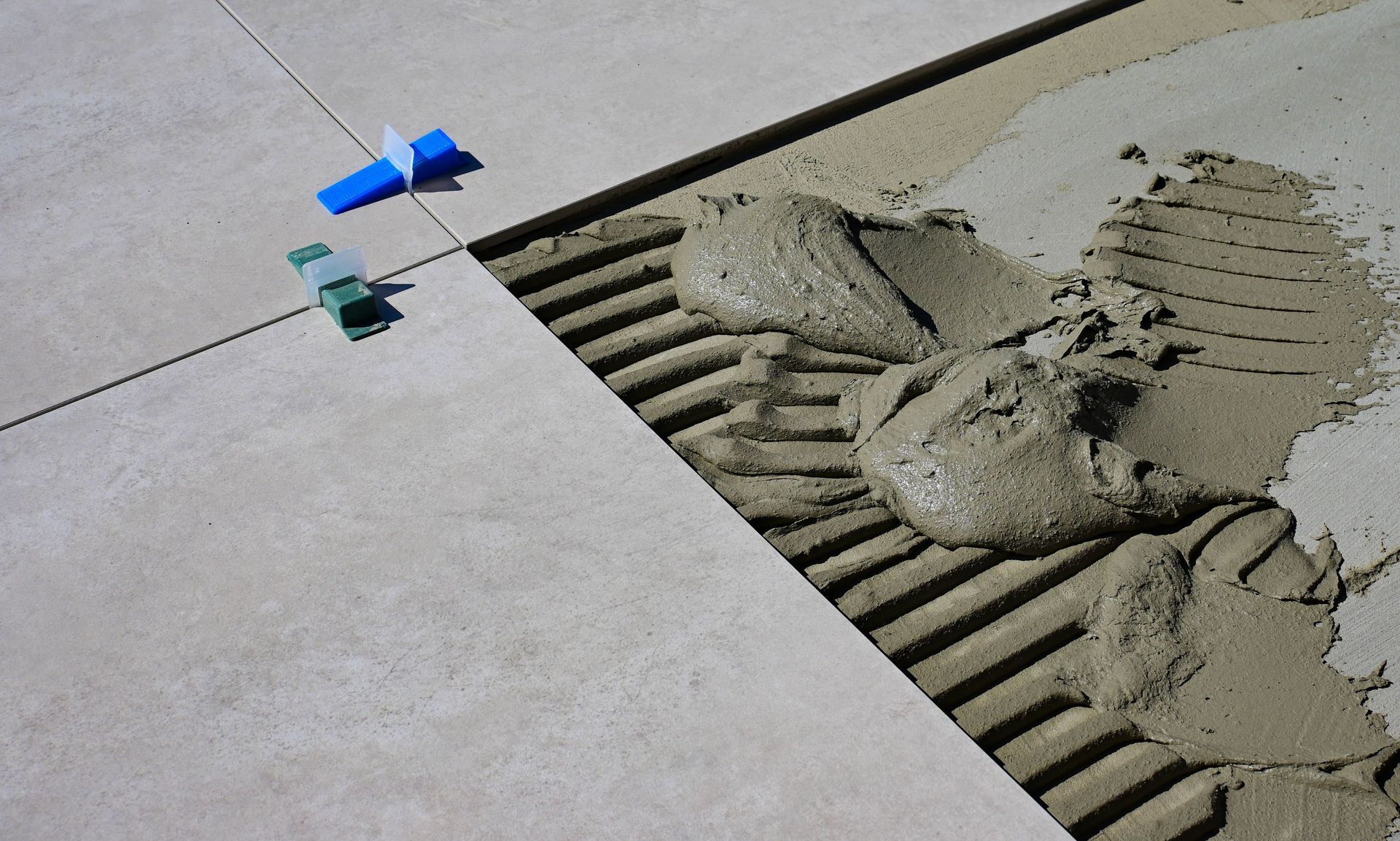
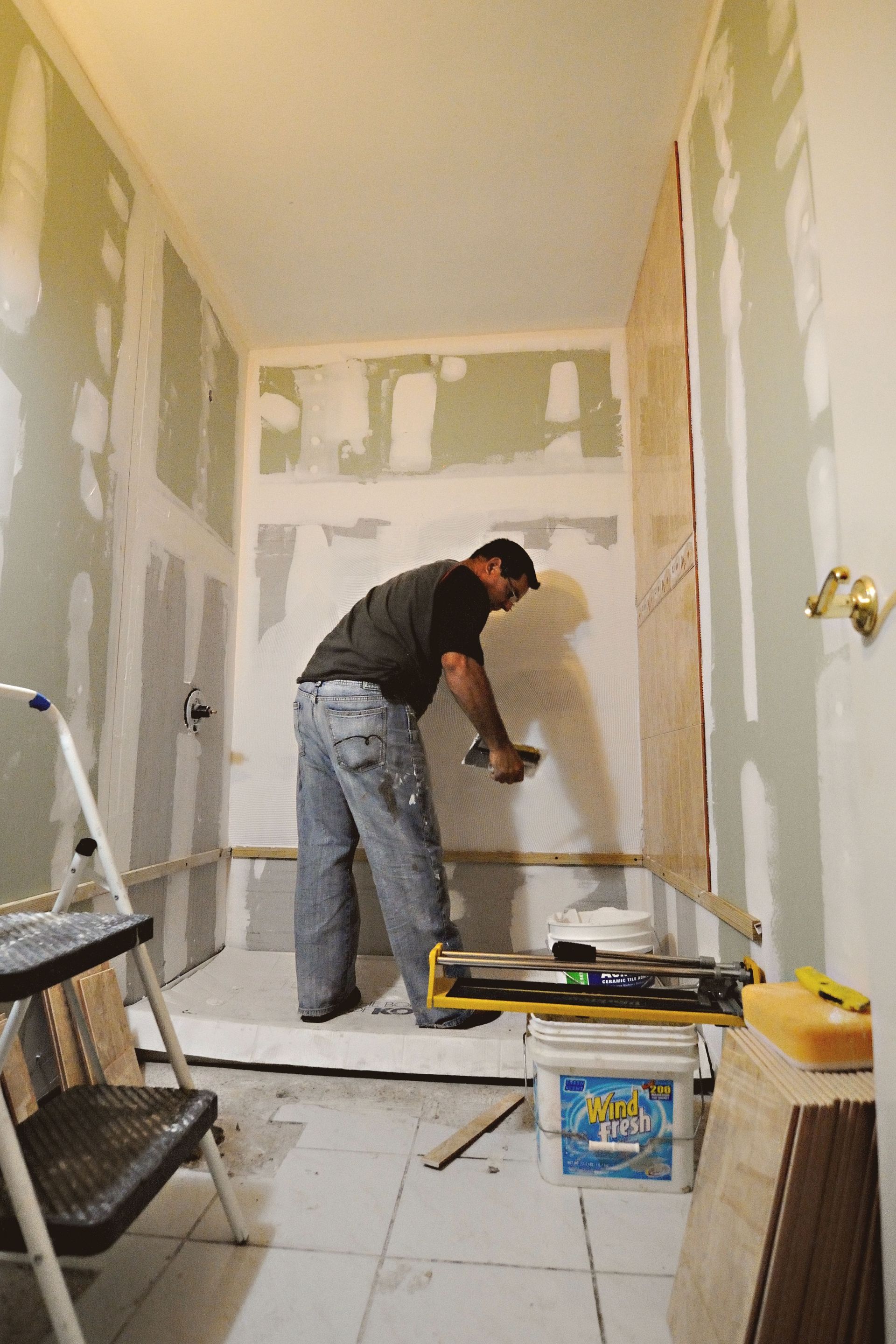
This is where the kitchen actually starts to look like a kitchen. Cabinet installation comes first and has to be precise, even small leveling issues become visible once hardware and doors go on. Countertop installation follows in two stages: templating (measuring the exact dimensions of the installed cabinets) and fabrication (cutting and finishing the material to fit), which together typically add one to two weeks on their own. Flooring, tile, and lighting fixtures come next, and appliances are usually among the last items installed, once cabinetry and countertops are locked in and clearances are confirmed.
Phase 6: Final Touches and Walkthrough (1–2 Weeks)
The last stretch covers the punch list: cabinet doors that need realigning, hardware adjustments, paint touch-ups, and caulk lines around the sink and backsplash. A thorough contractor reviews this list before ever inviting the homeowner to do the same, then walks the finished space with you, testing every fixture and cabinet , before officially closing out the project. This is also when you should get care and maintenance guidance for your new countertops and cabinet finishes, along with any workmanship warranty details.
What Actually Causes Kitchen Remodel Delays
Timelines slip for a handful of predictable reasons, and almost all of them are avoidable with the right planning:
- Late material decisions. Changing cabinet style or countertop material mid-project restarts the manufacturing clock sometimes by eight to fifteen weeks for custom cabinetry.
- Incomplete permit applications. Cleveland's 3–5 day plan review only starts once your application is complete and code-compliant; an incomplete submission resets that clock.
- Unregistered or uninsured contractors. The City requires contractors to be bonded, insured, and registered using one who isn't can stall inspections and create liability issues down the line.
- Structural surprises in older homes. A significant share of Cleveland's housing stock predates modern electrical and plumbing codes, and what's behind the wall doesn't show up until demo is underway.
- Supply chain backorders. Appliances and specialty materials can be backordered with little warning, which is why ordering early not the week before installation matters.
If you're weighing a home addition cost comparison instead of, or alongside, a kitchen remodel, or you're also planning a basement finishing cost project, the same planning-first principle applies: the projects that stay on schedule are the ones where every material decision is locked in before a single wall comes down.
FAQ: Kitchen Remodel Timelines in Cleveland
How long does a full kitchen remodel take from start to finish?
Most full kitchen renovations take three to six months from the first design meeting through final inspection, with the actual construction phase — from demolition to final walkthrough — typically running eight to fourteen weeks. Larger projects involving structural changes can run longer.
How long does the City of Cleveland take to review a kitchen remodel permit?
Per the City's Building & Housing Department, plan review for one- and two-family homes is generally completed in three to five working days once a complete application is submitted. That's the review stage only, it doesn't include the time to prepare a complete application or the construction work itself.
Can I use my kitchen during the remodel?
Generally, no. Once demolition begins, your kitchen is a construction zone without a working sink, stove, or counter space for the duration of the project. Most homeowners set up a temporary kitchen elsewhere in the home for the weeks in between.
What's the biggest thing that delays a kitchen remodel timeline?
Late material decisions. Custom cabinetry alone can take eight to fifteen weeks to arrive once ordered, so any change to cabinet style or countertop material after that order is placed effectively restarts part of the clock.
Every kitchen, and every Cleveland-area house, is a little different, which is exactly why a realistic timeline should come from a contractor who's walked your space, not a national average. If you're ready to find out what your specific project's timeline looks like, get a free estimate from CLE Remodeling Co., or browse recent kitchen projects we've completed across Greater Cleveland.