Point-of-Sale Inspection Requirements in Cleveland Heights, Lakewood & University Heights
If you're planning to sell a home in Cleveland Heights, Lakewood, or University Heights, there's a step that catches a lot of homeowners off guard: the point-of-sale inspection. Unlike a buyer's optional home inspection, this one is required by the city itself before you can close, and it exists specifically to catch the kind of work that never got a permit. If a room addition, a rewired kitchen, or a finished basement was done without the city signing off, this is where it surfaces.
Every Greater Cleveland suburb handles this differently, and the differences aren't small. Cleveland Heights inspects every property that changes hands. Lakewood, since a 2019 ordinance change, mostly applies it to rental transfers. Get the wrong assumption and you can end up scrambling for repairs, an escrow account, or a delayed closing during what should be a straightforward sale. Here's what each city actually requires, how it connects to renovation work, and what it means if you're planning a project now with a future sale in mind.
What a Point-of-Sale Inspection Actually Checks
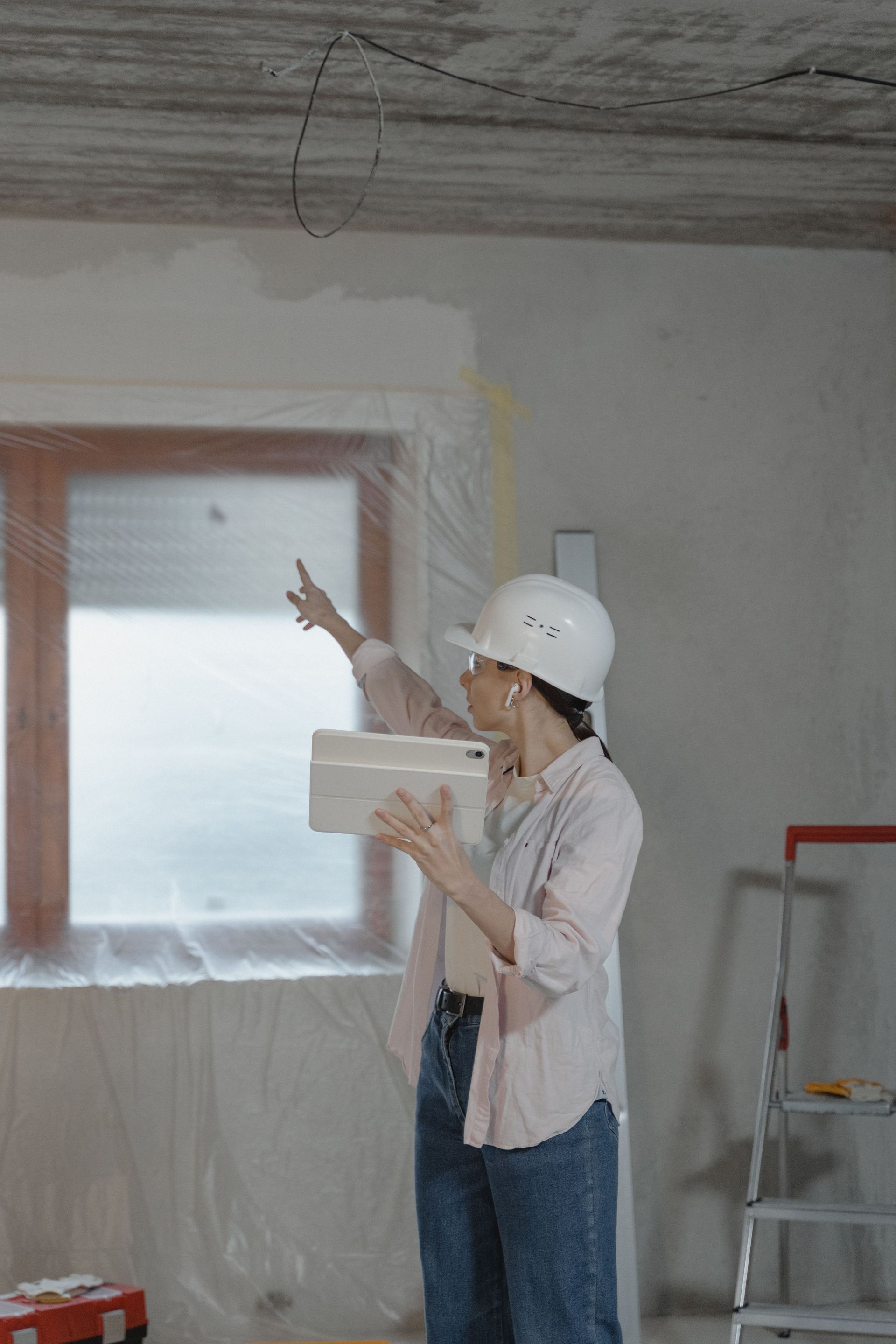
A point-of-sale inspection (sometimes called a certificate of inspection or certificate of code compliance) is a city-conducted visual review of a property's interior and exterior condition, done before a sale can legally close. It's separate from, and in addition to, any inspection a buyer arranges privately. The city is checking for code violations: structural issues, unsafe electrical or plumbing work, missing smoke detectors, deteriorated exterior surfaces, and critically for anyone who's renovated work that doesn't match what's on file with the building department.
This last point is where remodeling intersects directly with a home sale. If you finished a basement, converted a garage, or added a bathroom without pulling a permit, there's a good chance the inspector will flag it. Cities don't always catch unpermitted work during the project itself, but a point-of-sale inspection is exactly the kind of review designed to surface it later, often years after the work was done and long after it would have been simple to fix.
Cleveland Heights: Every Sale Needs a Certificate of Inspection
Cleveland Heights applies its point-of-sale requirement broadly. Owners of single-family and two-family dwellings, duplexes, apartments, condominiums, and commercial properties are all required to obtain a Certificate of Inspection before entering into an agreement to sell. Sellers must hand the buyer a copy of that certificate, along with a Certificate of Compliance if one exists, before the sale contract is signed.
The inspection isn't free: it costs $200 for the first unit and $50 for each additional unit, so a two-family property runs $250 and a four-unit building runs $350. Once issued, the certificate is valid for one year, so if your sale falls through and you relist later, you may need a new inspection depending on timing.
Because Cleveland Heights inspects every residential sale without exception, it's the suburb where unpermitted renovation work is most likely to get caught before closing, regardless of the property type.

University Heights: Chapter 1490 and the One-Year Clock
University Heights runs a similar program under Codified Ordinance Chapter 1490, which requires a point-of-sale application, a filing fee, and a completed inspection before any one- or two-family residential property can transfer. The inspection itself is a visual interior and exterior review that typically takes about an hour, with a report mailed or emailed within ten days.
Filing fees are $250 for a one-family dwelling and $300 for a two-family dwelling. If the inspection turns up violations, the seller has to either correct them before closing or have the buyer formally assume responsibility by filing an assumption-of-violations form and depositing funds into an escrow account to cover the cost. Like Cleveland Heights, the certificate is valid for one year from the inspection date; if the sale doesn't close within that window, a new application and inspection are required.
Lakewood Is Different: Code Compliance Mostly Targets Rental Sales
Lakewood's program looks similar on the surface but works differently in practice. Effective September 1, 2019, the city replaced its old certificate-of-occupancy process with certificates of code compliance, required for changes in retail tenancy and, specifically, before the sale of non-owner-occupied residential rental properties. In other words, if you're selling the house you've lived in, Lakewood's point-of-sale program is not the same broad, every-transaction requirement you'll find in Cleveland Heights or University Heights — it's built around landlord and rental-property transfers.
That distinction matters if you're comparing notes with a neighbor or a real estate agent who sold in a different suburb. What applies to a rental property in Lakewood may not apply to your owner-occupied home at all, and assuming otherwise (in either direction) can lead to real confusion about what your closing timeline actually requires.
How an Unpermitted Remodel Becomes a Point-of-Sale Violation
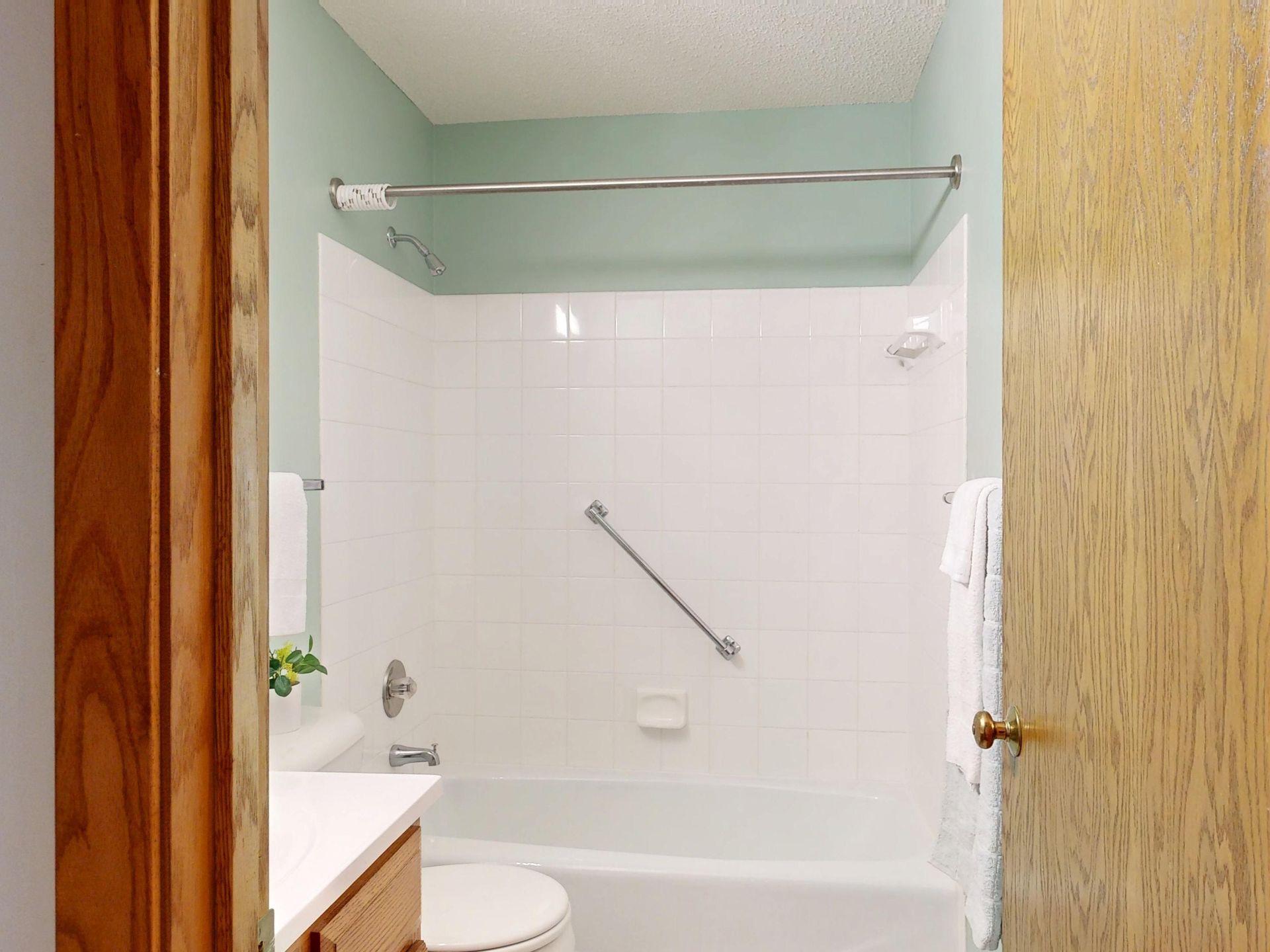
The connection between renovation and point-of-sale inspections comes down to paperwork the city already has. When you pull a permit for a kitchen remodel, a bathroom remodel, or a basement remodel, the finished work gets recorded and, ideally, signed off by an inspector during the project. When a homeowner skips that step, either to save time or because a contractor said it wasn't necessary, there's no record for the point-of-sale inspector to match against what they see in the house.
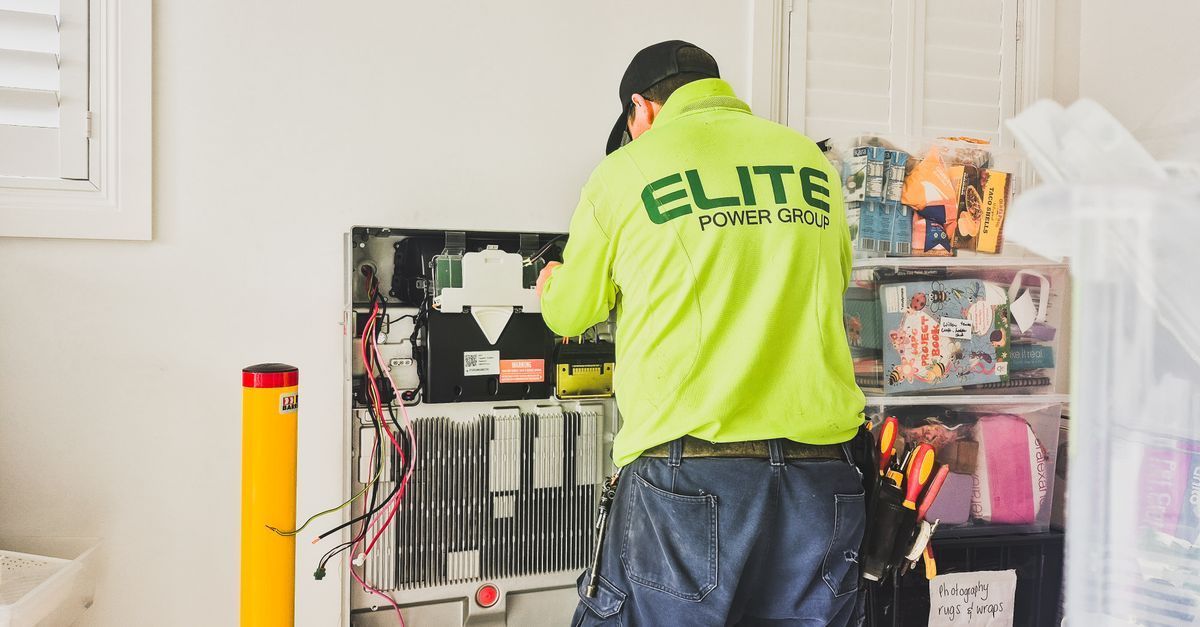
Electrical and plumbing changes are the most common flags, since they're the hardest to verify without documentation and the most likely to raise safety concerns. A finished basement without a documented egress window, a converted garage with no permit history, or a bathroom addition that shows up in square footage but not in city records can all trigger a violation notice at exactly the wrong time — when you're trying to close a sale.

What Happens If Your Home Fails Its Inspection
A failed point-of-sale inspection doesn't kill a sale, but it does add steps. In Cleveland Heights and University Heights, violations generally need to be corrected before the sale can proceed, or the buyer can agree to take them on with funds held in escrow until the work is done. Either path adds time, and unpermitted work often can't simply be "fixed" quickly. It may need to be opened back up, re-inspected against current code, and permitted retroactively, which can cost significantly more than doing it right the first time would have.
This is the scenario worth avoiding if you're renovating a home you might sell down the road, even if a sale isn't on the immediate horizon. A permitted, inspected kitchen remodel or home addition creates a paper trail that a future point-of-sale inspection will match without issue. A shortcut now can become a costly delay later, at a moment when you have far less leverage to negotiate.
How to Renovate Now So Your Next Sale Goes Smoothly
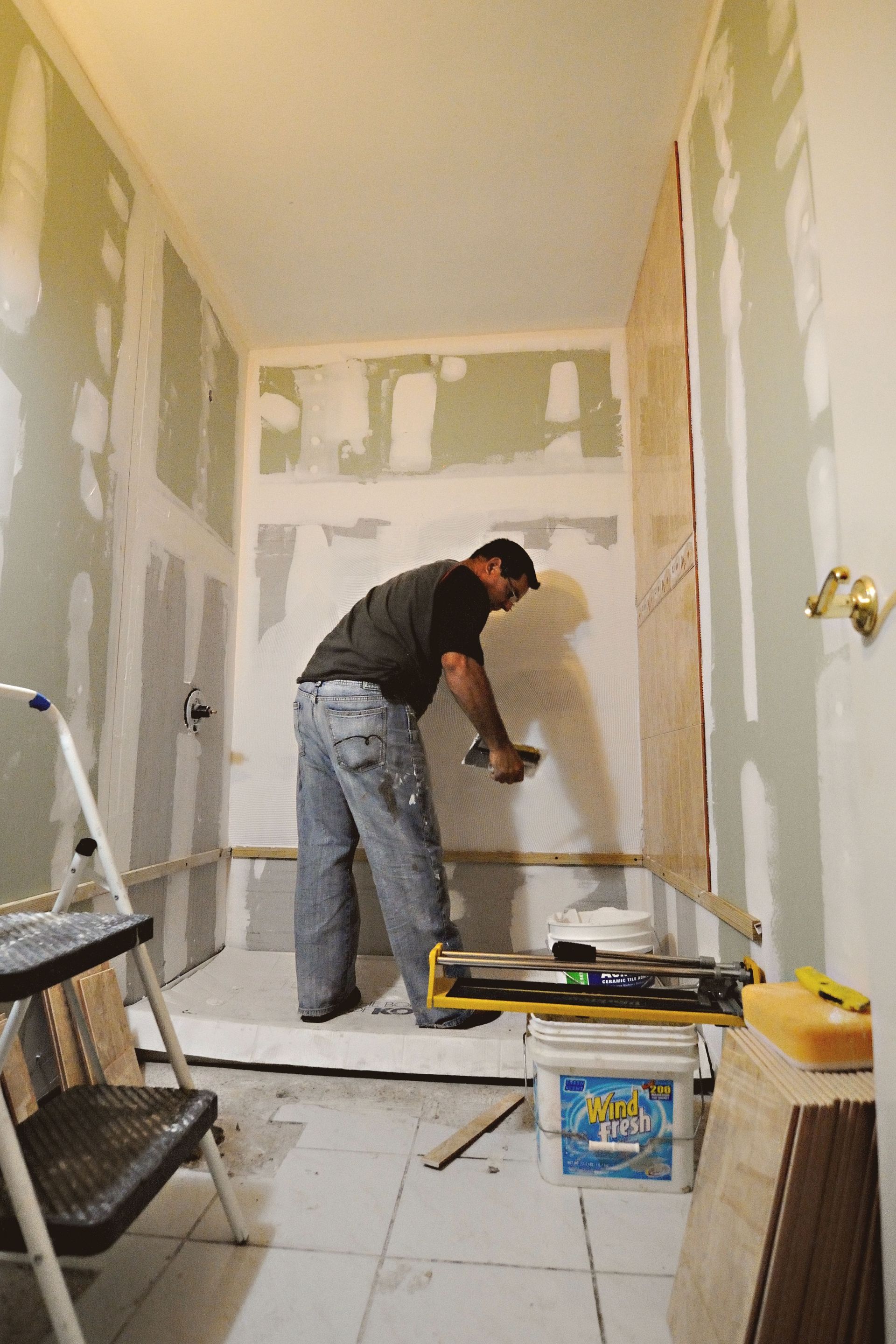
The fix is straightforward: treat the permit process as part of the project, not an optional extra step. Whether it's a kitchen remodel, a bathroom remodel, a basement remodel, an addition to your home, or renovating the whole house at once, work with a contractor who pulls the required permits and schedules inspections as part of the job, not as an afterthought.
If your home was built before the late 1970s, renovation work can also intersect with federal lead-paint rules on top of local permitting. It's worth understanding both before work starts. We've broken down what permitted work actually requires in this market, and separately, what older homes need to know about lead-paint compliance during a remodel.
We've also walked through this firsthand. Our recent Lakewood full home renovation and a kitchen remodel we completed in Cleveland Heights were both permitted and inspected as part of the process, exactly the kind of documentation a future point-of-sale inspection is designed to find and clear without a hitch.
Frequently Asked Questions
Do I need a point-of-sale inspection to sell my home in Cleveland Heights?
Yes. Cleveland Heights requires a Certificate of Inspection before any residential or commercial property, including single-family and two-family homes, can be listed under a sale agreement.
Does Lakewood require a point-of-sale inspection for every home sale?
No. Since 2019, Lakewood's certificate of code compliance mainly applies to changes in retail tenancy and to the sale of non-owner-occupied rental properties, not to most owner-occupied home sales.
How long is a point-of-sale certificate valid?
In both Cleveland Heights and University Heights, a Certificate of Inspection is valid for one year from its issue date. If the sale doesn't close within that window, a new inspection is generally required.
Can unpermitted renovation work cause my home to fail its inspection?
Yes. Point-of-sale inspectors check what they find against the city's permit records. Additions, electrical work, or finished spaces without a matching permit history are common causes of violations.
What happens if my home fails a point-of-sale inspection?
You'll typically need to correct the violations before closing, or the buyer can assume responsibility for the repairs with funds held in escrow, depending on the city's process and what the violation involves.
Whether you're renovating now or getting ready to sell, it helps to work with a contractor who treats permits and inspections as part of the job. Get in touch with CLE Remodeling Co. for a free estimate on your next project.