HVAC Replacement Cost in Cleveland, Ohio: 2026 EPA Refrigerant Guide | CLE Remodeling Co.
If you're pricing out an HVAC replacement in Cleveland this year, you may have noticed the numbers look different than they did even two years ago. That's not just inflation. A federal refrigerant rule that finished phasing in during 2025 and 2026 has changed what equipment manufacturers can build, what your contractor can install, and how much the whole job costs from permit to final inspection. Homeowners who don't know the rule exists are the ones most likely to get blindsided by a quote.
This guide breaks down what actually changed, what it means for your wallet if your furnace or air conditioner is on its last leg, and what Cleveland and Cuyahoga County require before a new system can legally go in. None of this is scare-tactic marketing it's the same regulatory and cost information any Cleveland homeowner should have before signing a contract.
Why HVAC Replacement Costs Are Changing in Cleveland Right Now
The short version: the refrigerant that's been standard in central air conditioners and heat pumps for the last two decades, R-410A, is being phased down under a federal rule, and the equipment built to replace it costs more to manufacture. That cost shows up in your installation quote whether your contractor mentions the rule by name or not.
This isn't a Cleveland-specific policy or something the city invented to generate permit revenue it's a national environmental rule that happens to be landing on homeowners' replacement quotes in 2026, right as a lot of furnaces and AC units installed during the early-2010s replacement wave are reaching the end of their service life.
What the EPA's Refrigerant Rule Actually Requires
Under the EPA's Technology Transitions rule, issued under the AIM Act, residential and light commercial air conditioning and heat pump equipment sold new had to stop using high-global-warming-potential refrigerants like R-410A starting January 1, 2025, with an inventory allowance letting already-manufactured R-410A equipment be installed through January 1, 2026. In their place, manufacturers now build systems around lower-GWP "A2L" refrigerants primarily R-454B and R-32.
Two things worth knowing if you're shopping for a new system in Cleveland right now:
- Your existing R-410A system is not illegal. The rule restricts new manufacturing and installation, not the systems already running in Cleveland homes. A working R-410A air conditioner can keep operating and can still be serviced.
- The rule has moved once already. In September 2025, the EPA proposed removing the installation deadline for residential AC and heat pump equipment manufactured before January 1, 2025, specifically to let contractors sell through existing R-410A inventory and blunt refrigerant price spikes. That proposal signals the transition is still being actively adjusted at the federal level, which is one more reason to get current information from your contractor rather than relying on what a system cost last year.
What This Means for Your Wallet: 2026 HVAC Replacement Cost Ranges in Cleveland
Nationally, industry-reported pricing for a complete residential HVAC installation furnace, air conditioner, or heat pump system runs roughly $5,500 to $15,000 or more depending on system size, efficiency tier, and ductwork condition, according to HVAC contractor cost data published in 2026. That range reflects new A2L-refrigerant systems, which the same source notes now price similarly to late-2024 R-410A equipment the early 10–15% "A2L premium" contractors expected has largely closed as manufacturers scaled up production.
Where the refrigerant rule bites hardest is on the repair side of the ledger, not just replacement. R-410A production has been cut roughly 40%, and if your existing system needs a significant refrigerant recharge, that repair alone can now run $700 to $1,200 , per the same industry data. For a system already 10+ years old, that's often the number that tips the math toward replacement instead of repair.
Where the Extra Cost — and Value — Comes From
A2L systems aren't just a refrigerant swap. New systems include integrated leak-detection sensors (a safety requirement for the mildly flammable A2L class), updated control boards, and redesigned coils, and installers need new recovery machines and detection tools to work on them costs that get built into installation pricing industry-wide. On the upside, manufacturers report up to a 5% efficiency gain on systems designed specifically around the new refrigerants, and ENERGY STAR-certified new installations can qualify for federal tax credits under the Inflation Reduction Act worth asking your contractor about directly, since eligibility depends on the specific equipment and your household situation.
Repair vs. Replace: When an Aging R-410A System Still Makes Sense
Not every furnace or air conditioner needs to come out immediately. A younger R-410A system with a minor issue a capacitor, a thermostat, a small refrigerant top-off is usually still worth repairing. The calculation changes when you're facing a major refrigerant leak repair on a system already past the 10 to 12 year mark, since you'd be paying $700+ to service equipment that's approaching the end of its expected life anyway, on a refrigerant that will keep getting more expensive to source as R-410A supply tightens further.
If you're mid-way through a larger renovation a basement finish that's about to enclose your mechanical room, or a home addition that will add square footage your current system wasn't sized for that's often the more efficient moment to replace rather than repair, since ductwork and system-sizing changes may be needed either way.
Permits and Licensing: What Cleveland Requires Before You Replace Your System
An HVAC replacement in Cleveland isn't a job you can start without paperwork. The City of Cleveland's Department of Building and Housing requires a permit for the installation or replacement of furnaces, boilers, refrigeration equipment, and any new, extended, or repaired ductwork, hydronic lines, or control wiring. Whoever pulls that permit your contractor, in almost every case, has to be bonded, insured, and licensed with the State of Ohio, and separately registered with the City of Cleveland.
That local registration requirement is worth confirming before you hire anyone: Ohio doesn't issue a single statewide HVAC license, so contractor credentials are administered city by city. A company licensed to work in a neighboring suburb isn't automatically registered to pull permits inside Cleveland's city limits. On the refrigerant side specifically, any technician recovering or recharging refrigerant is required to hold EPA Section 608 certification a federal requirement that applies regardless of which refrigerant the system uses.
How HVAC Replacement Fits Into a Larger Cleveland Remodel
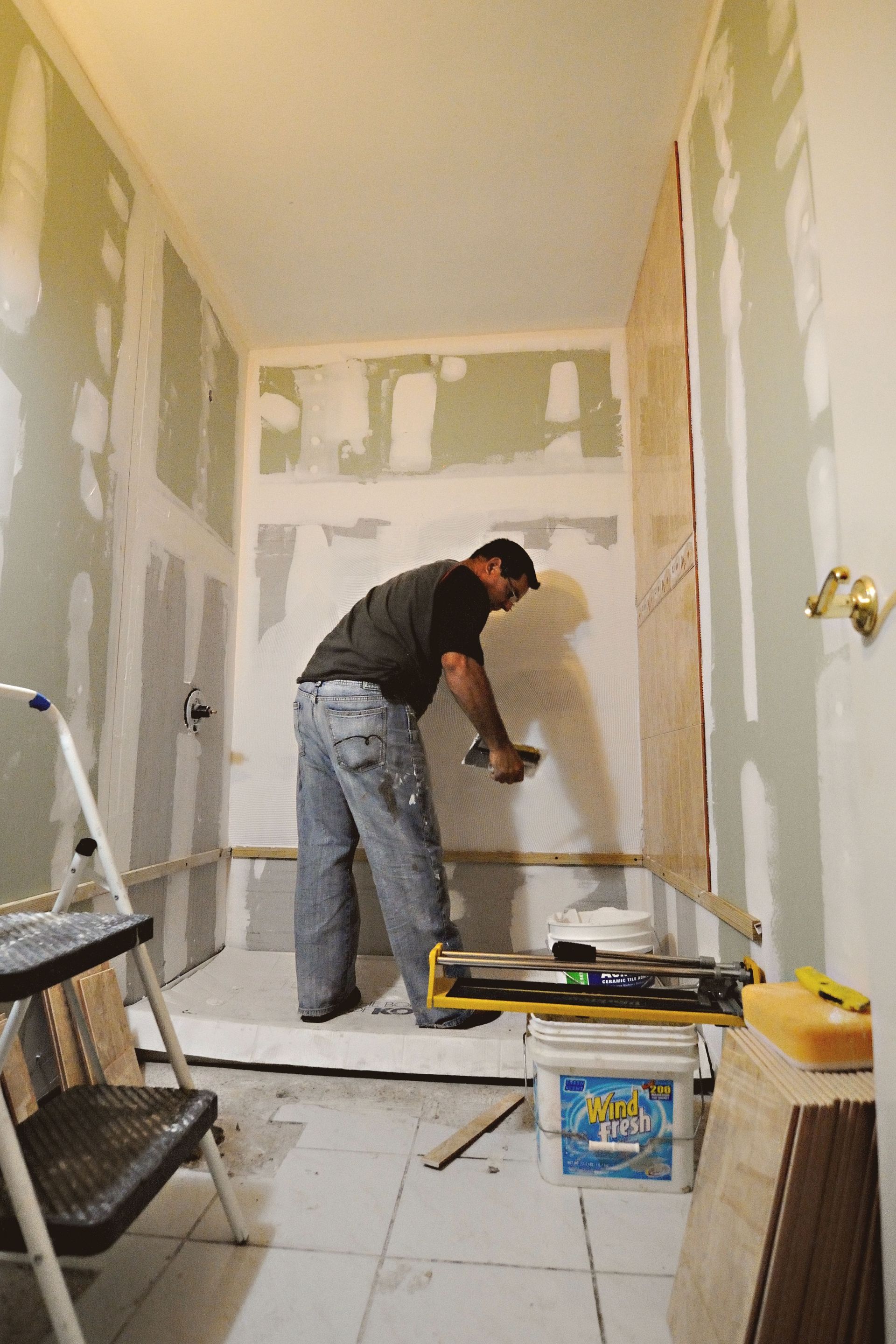
HVAC rarely gets replaced in isolation. If you're already planning a kitchen remodel in an older Cleveland home, or working through a whole-house renovation, it's worth having your contractor evaluate the HVAC system's age and capacity at the same time reopening walls and ceilings is a much cheaper time to run new ductwork or relocate equipment than doing it as a standalone job later. The same logic that applies to permitting for any Cleveland remodel applies here HVAC work gets its own mechanical permit, separate from a general building permit, so it needs to be scoped and priced as its own line item even inside a larger project.
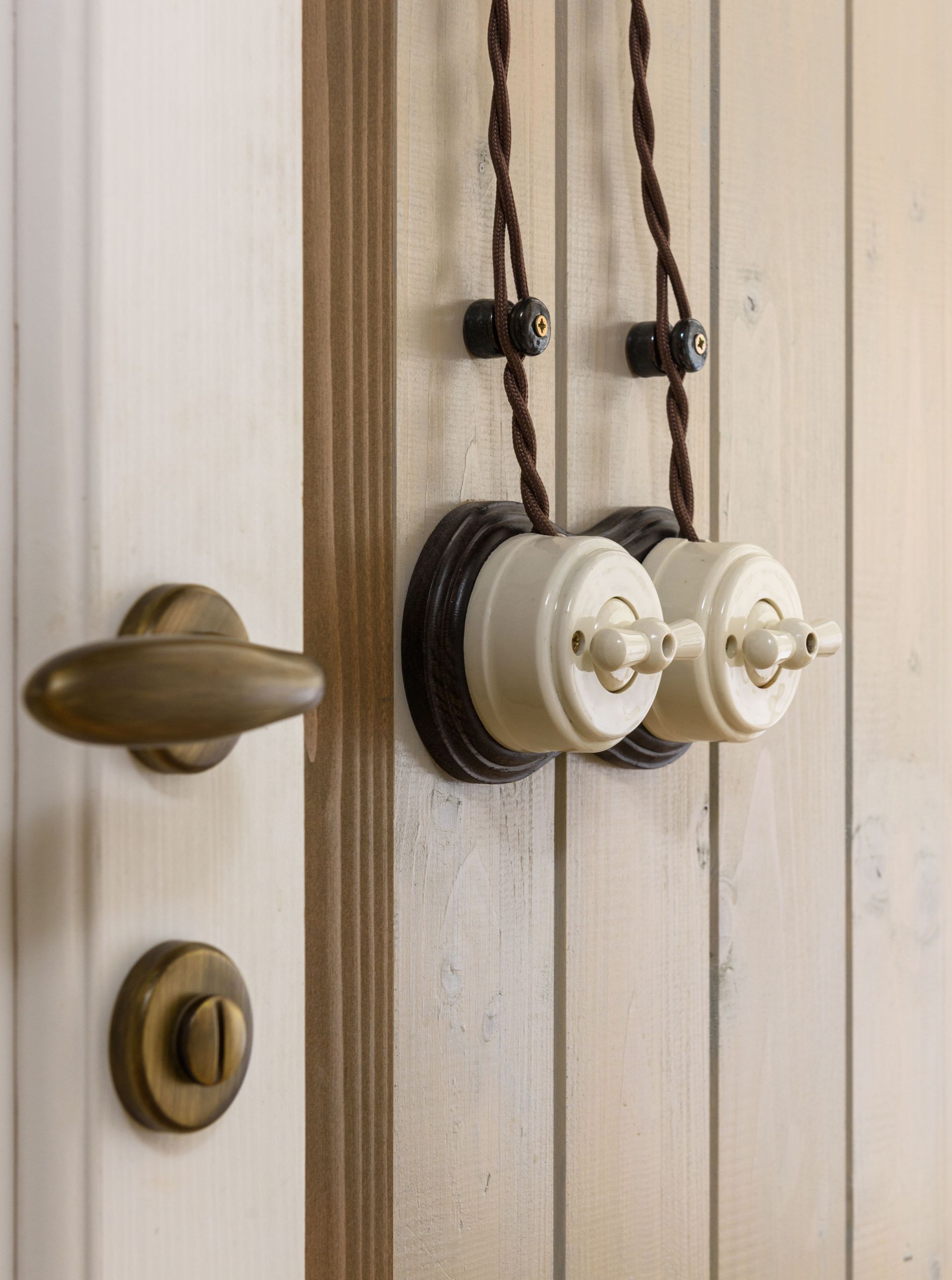
Older Cleveland housing stock brings its own wrinkles, too. Homes with knob and tube wiring or original ductwork often need electrical or duct upgrades alongside a new HVAC system to meet current code, similar to how pre-1978 homes trigger EPA lead-safe work practice rules during other renovation work. If you're budgeting a home addition or a basement finishing project, ask your contractor to price HVAC capacity into the same estimate rather than as an afterthought.
Frequently Asked Questions
Do I have to replace a working R-410A air conditioner because of the EPA rule?
No. The rule restricts new manufacturing and installation of R-410A equipment, not systems already running in your home. Your existing unit can keep operating and can still be serviced.
Will repairing my current system get more expensive over time?
Likely yes for major refrigerant work. R-410A production has been cut significantly, and a large recharge can now cost $700–$1,200 according to current industry pricing a gap expected to widen as supply continues to tighten. .
Do I need a permit just to replace a furnace or AC unit in Cleveland?
Yes. Cleveland's Department of Building and Housing requires a permit for HVAC installation or replacement, and the contractor performing the work must be licensed with the state and registered with the city.
Are new A2L systems actually more expensive than old R-410A systems were?
Less than originally expected. Early estimates put the premium at 10–15%, but by 2026 industry pricing for new A2L systems is reported to be similar to late-2024 R-410A pricing, partly offset by efficiency gains and available tax credits on qualifying equipment.
Get a Cleveland HVAC Estimate That Accounts for the 2026 Rules
Between the refrigerant transition, Cleveland's permit requirements, and the age of a lot of the city's housing stock, an HVAC replacement quote in 2026 has more moving pieces than it used to. CLE Remodeling Co. has worked through permits and inspections across Greater Cleveland for over 20 years and can walk you through what a system replacement — on its own or as part of a larger renovation — actually looks like for your home. Contact us for a free estimate, or call (216) 505-0352.