Ohio's New Home Construction Law: What It Means for Your Cleveland Remodel
Ohio's rules for home remodeling contracts changed in 2024, and most Cleveland homeowners have no idea. If your kitchen remodel, addition, or whole-house renovation is going to cost more than $25,000 which describes most substantial projects in Greater Cleveland, your contractor is now legally required to hand you a very different kind of contract than they would have three years ago. At the same time, Ohio's decades-old mechanics' lien law still governs what happens if a contractor doesn't pay their subcontractors or suppliers, and that law can put a claim on your home even after you've paid in full.
Neither of these rules is optional, and neither is designed to be confusing on purpose but they are easy to miss if nobody walks you through them before you sign. This guide breaks down what changed, what your contract now has to include, and the specific steps that protect you from a lien during and after your remodel.
What Changed: Ohio's Home Construction Service Suppliers Act Now Covers Remodels
Ohio House Bill 50, signed by Governor Mike DeWine in June 2024 and effective September 20, 2024, expanded the state's Home Construction Service Suppliers Act (HCSSA) to explicitly cover the repair, renovation, remodeling, or improvement of existing homes not just new-home construction, which is what the law was originally written for. Under the amended Ohio Revised Code 4722.01, "home construction service" now includes work on existing residential structures whenever the contract is valued above $25,000.
Before this change, big remodeling contracts were generally governed by the Ohio Consumer Sales Practices Act (CSPA), which let homeowners seek treble (triple) damages if a contractor engaged in certain unfair or deceptive practices. That remedy is no longer available for remodeling contracts over $25,000 those now fall under the HCSSA instead, which has its own, different set of rules.
Why This Matters for a Kitchen, Basement, or Whole-House Project
Most substantial remodels in Greater Cleveland a full kitchen remodel, a finished basement addition, or a home addition cross the $25,000 threshold. That means the HCSSA, not the CSPA, now governs the contract for the large majority of the projects homeowners actually hire contractors to do.
One wrinkle worth knowing about: Ohio courts haven't fully settled how the amendment applies to contracts signed before the September 20, 2024 effective date. Because Ohio's constitution limits retroactive laws, a contract you signed before that date may still fall under the older rules rather than the amended HCSSA. If your project spans that date, or you're unsure which version of the law applies to an existing contract, that's a question worth a few minutes with a contractor or attorney rather than an assumption.
What Your Remodeling Contract Must Include Now
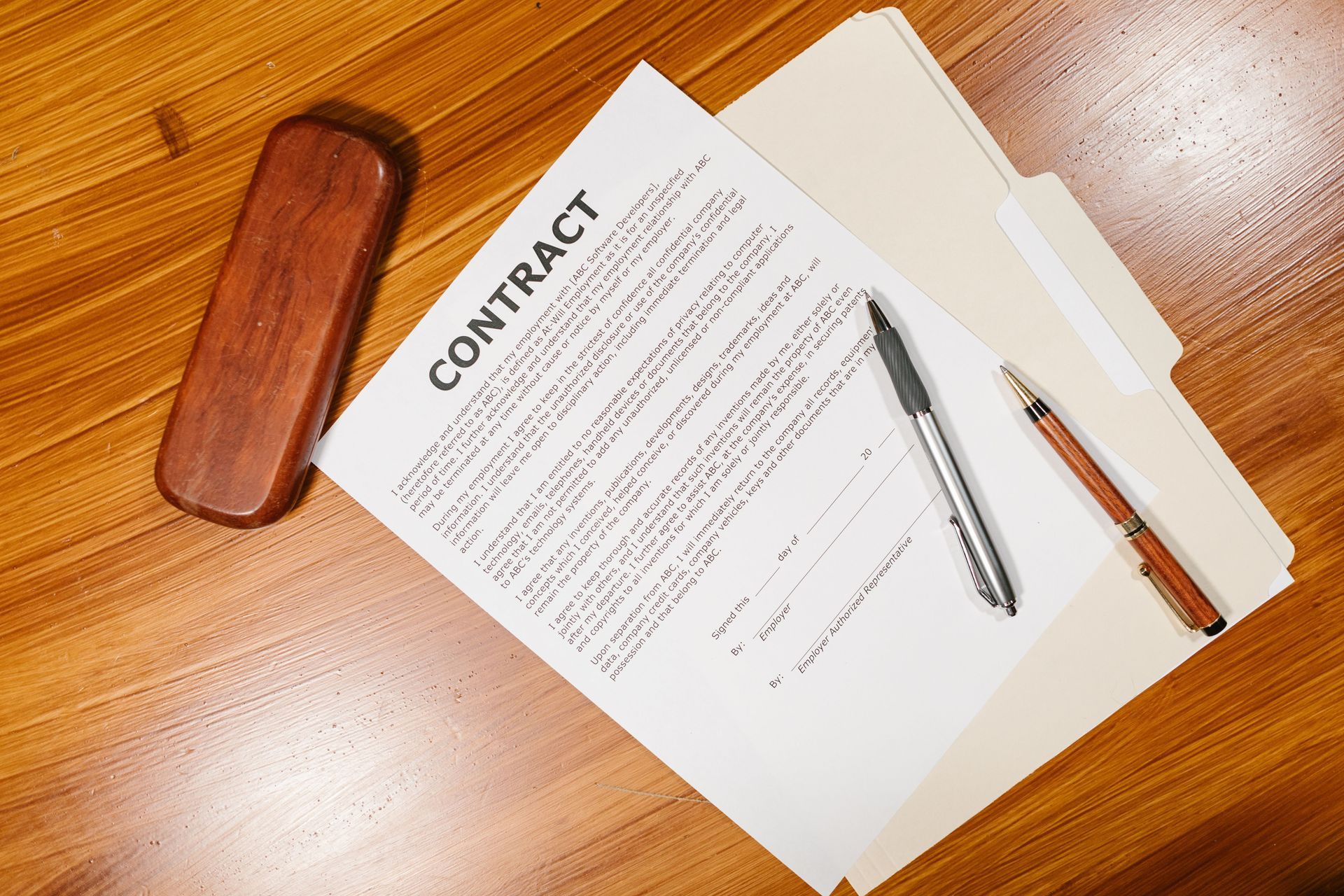
For any home construction service contract over $25,000, Ohio law now requires contractors to meet specific, strict requirements. Based on the amended HCSSA, a compliant contract must include:
- A detailed description of the work — the services to be performed, the materials to be used, the project timeline, applicable warranties, and a detailed estimate of the total cost.
- Proof of insurance — the contractor must disclose their insurance information, with coverage of no less than $250,000.
- Notice of your right to an additional-cost estimate — you must be notified, in language substantially similar to what the HCSSA specifies, of your right to receive an estimate before you're charged for any cost increase.
If a contractor fails to meet these requirements, either the homeowner or the Ohio Attorney General can bring a claim. Before you sign anything for a project like a bathroom remodel or a basement remodel priced above $25,000, it's worth checking the contract against this list line by line and asking your contractor directly whether their paperwork reflects the current law, not the pre-2024 version.
Protecting Yourself From a Mechanics' Lien During Your Project
Separate from the contract itself, Ohio's mechanics' lien law is what protects the people who actually do the work, contractors, subcontractors, and material suppliers if they aren't paid. A mechanics' lien is a legal claim against your property, and under Ohio Revised Code Chapter 1311, a subcontractor or supplier who wasn't paid by your general contractor can file one even if you already paid the general contractor in full.
That sounds alarming, but Ohio law also gives homeowners a real shield and understanding how it works is the difference between a routine payment schedule and an unpleasant surprise months after your project wraps.
The Deadline and the Homeowner Protection Rule
According to Ohio's mechanics' lien statute, as detailed in Levelset's Ohio Mechanics Lien Guide, a claimant on a residential project (a single- or two-family home, or a condominium unit) has 60 days from their last date of furnishing labor or materials to file a lien compared to 75 days on commercial projects. Critically, under Ohio Revised Code 1311.02, a lien on a home construction contract will not attach to your property if you, the homeowner, paid the original contractor in full before you received a copy of the affidavit of mechanics' lien. In plain terms: if you've paid your general contractor in full and a subcontractor was never told, and a lien shows up after that payment, Ohio law is on your side.
Once a lien is filed, the law requires the claimant to serve you (or another owner or co-owner) with a copy of the affidavit within 30 days of filing 40 days if you can't be served directly. Until you actually receive that notice, the lien doesn't attach to your property. That's why paying only after work is verified complete, and asking for documentation as you go, matters more than it might seem.
Practical Steps: Lien Waivers and Payment Timing
A few habits meaningfully reduce your exposure on any project sized like a real remodel:
- Ask for lien waivers as you pay. A lien waiver, signed by the general contractor (and ideally by major subcontractors and suppliers), confirms that payment for a given phase has been received and waives lien rights for that amount.
- Avoid paying 100% upfront. Structuring payment around completed phases — consistent with the detailed estimate your contract is now required to include — keeps leverage on your side if something goes wrong downstream.
- Keep every payment record. If a lien is ever filed after you've paid in full, your proof of payment and its timing relative to the date you received the lien affidavit is exactly what determines whether Ohio's homeowner protection applies.
- Know that a lien claimant must release a satisfied lien within 30 days. If a subcontractor is paid or a lien is resolved, Ohio law requires the lien to be formally released from your property record within 30 days ask your contractor or attorney to confirm this happened.
How This Fits Into Choosing and Working With a Contractor
These rules don't replace the basics checking that a contractor is properly licensed and insured, getting a detailed written contract, and understanding the local permit process before work starts. What the 2024 HCSSA changes and the mechanics' lien law add is a second layer: even a licensed, well-reviewed contractor operates inside a legal framework that puts specific obligations on the paperwork itself, and specific protections and risks on how and when you pay.
For a project the size of a full whole-house renovation, or a phased project like planning a kitchen remodel step by step, this is worth raising with your contractor directly at the estimate stage not after the contract is already signed.
It's also worth asking how a contractor handles their subcontractors and suppliers on the payment side. A general contractor who pays subs promptly and can produce lien waivers without hesitation is telling you something real about how the rest of the project is likely to go. A contractor who's vague about that question, or who pushes back on a phased payment schedule, is worth a second look before you sign anything tied to a project over $25,000.
How CLE Remodeling Co. Handles Contracts and Payment
CLE Remodeling Co. is a family-owned remodeling company that has completed more than 1,000 projects across Greater Cleveland over 20-plus years in business. We structure our contracts around clear, phased estimates and documented payment milestones the same practices that keep homeowners protected under Ohio's current mechanics' lien and home construction service rules. You can see examples of completed work in our project portfolio, or reach out directly with questions about how a specific project would be structured.
Frequently Asked Questions
Does the $25,000 threshold include materials, or just labor?
The HCSSA threshold applies to the total contract value, which for most remodeling contracts includes both labor and materials.
Can a lien be filed against my home if I already paid my contractor in full?
A subcontractor or supplier can still file a lien if they weren't paid by your general contractor, but under Ohio Revised Code 1311.02, that lien won't attach to your property if you paid the general contractor in full before you received the lien affidavit.
How long does a contractor or subcontractor have to file a mechanics' lien in Ohio?
On residential projects, 60 days from the last date labor or materials were furnished to the project. Commercial projects have 75 days.
What should I ask for before making a final payment?
Ask for a lien waiver confirming that payment has been received and lien rights waived for that amount, and keep dated proof of every payment you make.
Does the new HCSSA rule apply to a contract I signed before September 2024?
It isn't fully settled. Ohio courts still have to decide whether the amendment applies retroactively, so a contract signed before September 20, 2024 may be governed by the older rules worth confirming with your contractor or an attorney if your project spans that date.
Ready to talk through a project? Contact CLE Remodeling Co. for a free, transparent estimate: (216) 505-0352 .