Accessory Dwelling Units in Cleveland, Ohio: What's Changing in 2026
If you own a single-family home in Cleveland Heights, Lakewood, Shaker Heights, or almost anywhere else in Cuyahoga County, you probably can't legally build a backyard cottage, garage apartment, or in-law suite on your property today. That's not a quirk of your specific lot it's the zoning code in most of Greater Cleveland's 59 municipalities. But that's starting to change. In July 2026, Cleveland Heights City Council introduced an ordinance that would permit accessory dwelling units (ADUs) for the first time, and homeowners across the region are asking what an ADU actually involves and what it costs to build one.
This guide breaks down where ADU rules stand today across Greater Cleveland, what Cleveland Heights is proposing, how the rest of Ohio compares, and what it means if you're weighing a garage conversion, in-law suite, or backyard unit for your own property.
What Is an Accessory Dwelling Unit?
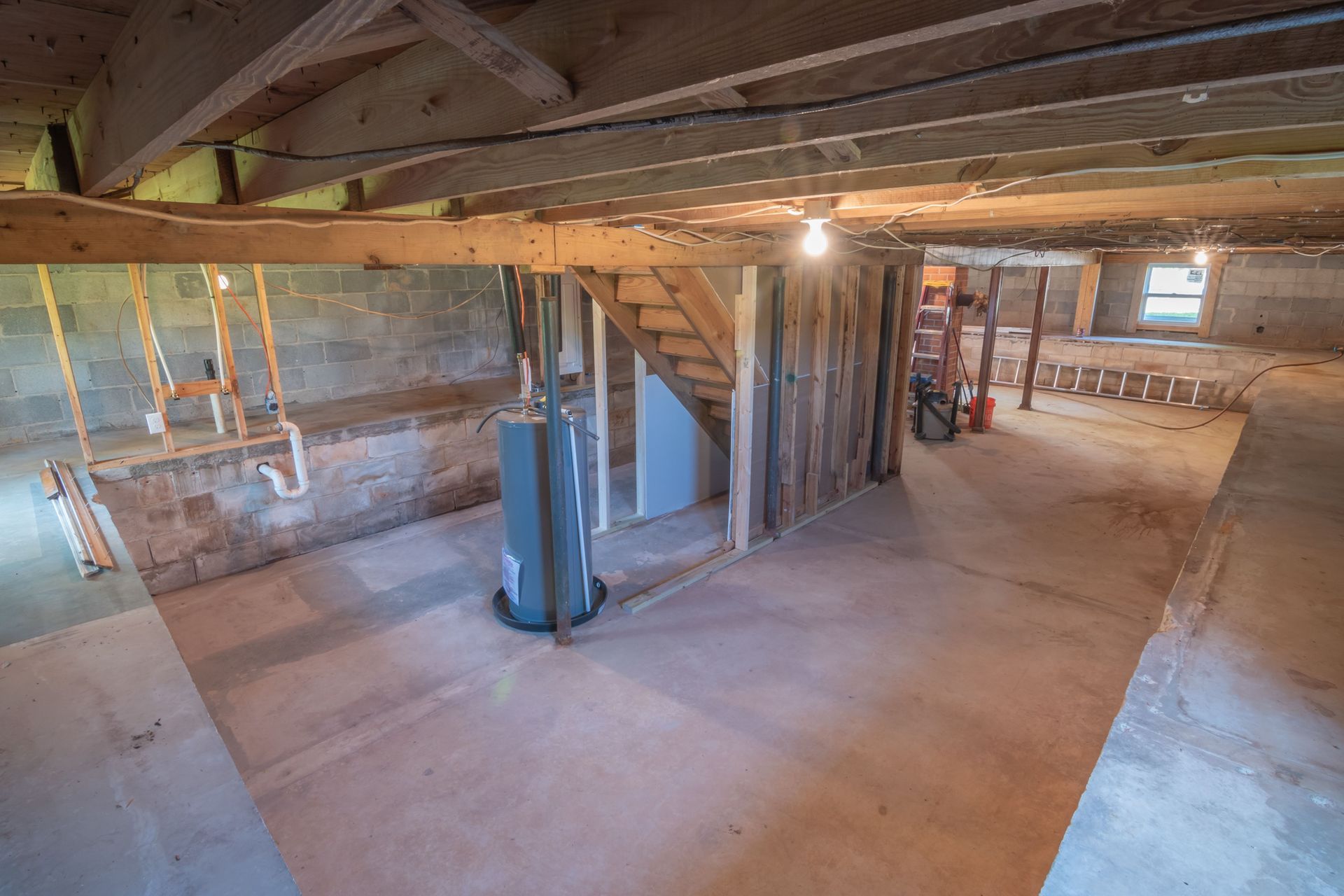
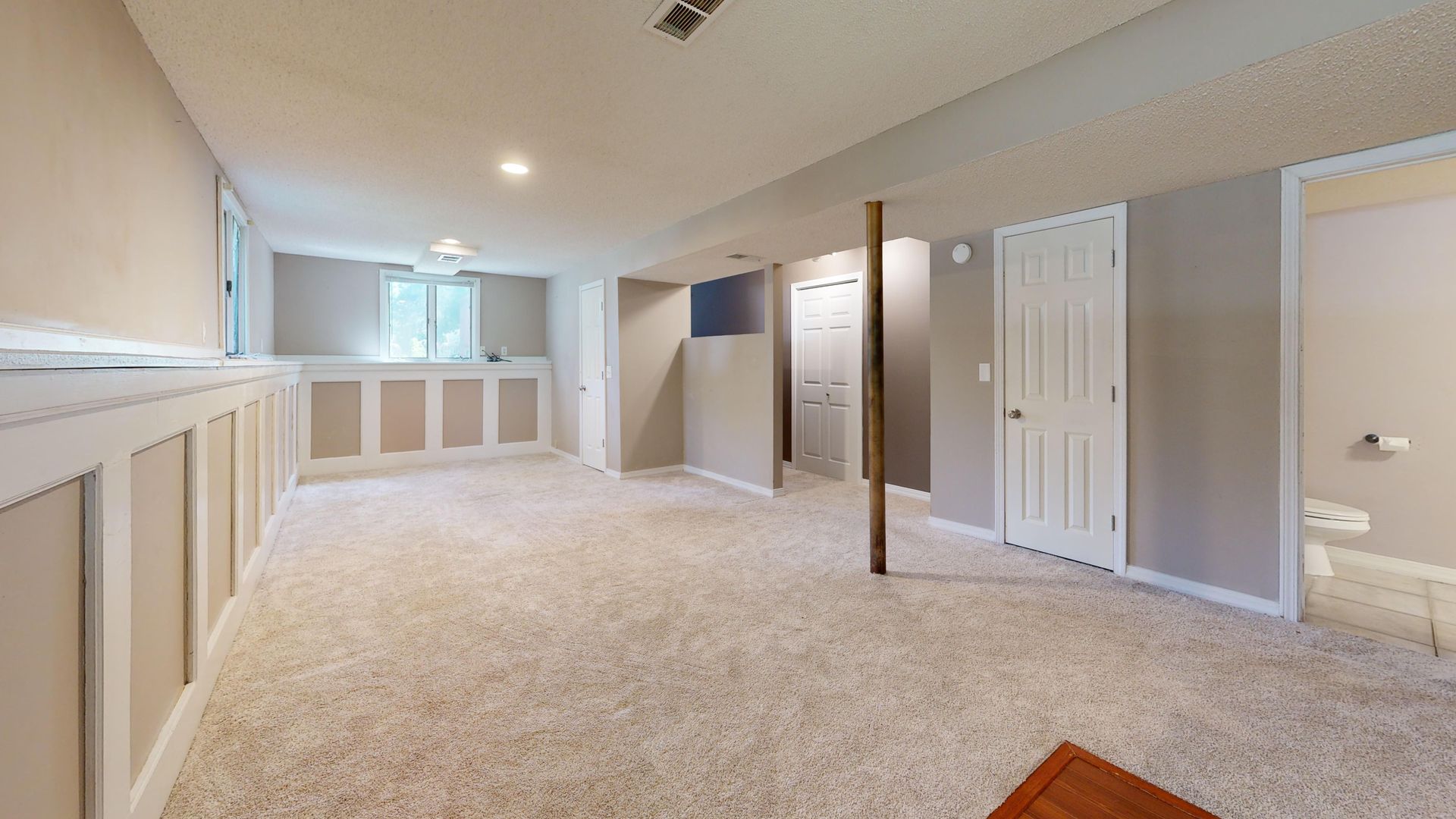
An accessory dwelling unit is a self-contained secondary home built on the same lot as an existing single-family house. It has its own entrance, kitchen, and bathroom, and it can take a few different forms: a detached structure in the backyard, an addition attached to the main house, or a conversion of existing space like a garage, basement, or attic. You'll also hear ADUs called granny flats, in-law suites, or backyard cottages they're all the same basic idea.
What makes ADUs different from a standard home addition is that they function as a separate dwelling unit rather than extra square footage tied to the main house. That distinction is exactly why cities regulate them under their own zoning rules, separate from ordinary remodeling and construction permits.
The Reality in Greater Cleveland Today: Most Suburbs Say No
According to the Cuyahoga County Planning Commission, the majority of the county's 59 municipalities do not currently allow accessory dwelling units as a permitted housing type. Cuyahoga County doesn't govern ADUs through a single countywide rule, either nearly every city and village, including Cleveland, Shaker Heights, and Bay Village, administers its own zoning code, and each one treats secondary dwelling units differently.
Cleveland Heights is a clear example of how restrictive the current baseline is. Under the city's existing zoning code, a single-family or two-family lot is limited to one dwelling unit, with one narrow exception: an existing carriage house may continue operating as a nonconforming dwelling unit if it was already being used that way. New ADUs, in other words, generally aren't an option under the rules on the books right now which is exactly why the city is moving to rewrite them.
Cleveland Heights Is Trying to Change That: Inside Ordinance No. 142-2026
On July 6, 2026, Cleveland Heights City Council introduced Ordinance No. 142-2026, a zoning text amendment that would permit accessory dwelling units in the city for the first time. The ordinance is still moving through the legislative process, with public comment opportunities at each step, so nothing is final yet but it's the most concrete ADU proposal anywhere in Cuyahoga County right now.
The city's Department of Planning, Neighborhoods & Development has framed ADUs as a tool for several specific goals: helping older residents age in place without leaving their neighborhood, building household wealth through rental income, adding affordable housing stock, and making more efficient use of existing residential land. Those are the same reasons homeowners in neighboring suburbs have been asking their own city halls similar questions, even where no ordinance is on the table yet.
How Cleveland Heights Got Here
The proposed ordinance didn't appear overnight. The Cuyahoga County Planning Commission completed a dedicated ADU study for Cleveland Heights in July 2024, and the city followed that with an ADU design competition in December 2024, funded by a $15,000 AARP Livable Communities Challenge grant, that drew 28 original design submissions from residents and architects. The city then spent the fall of 2025 gathering public feedback before bringing a draft ordinance to a packed Planning & Development Committee meeting in June 2026.
That feedback shaped the current draft. Residents told the city they wanted ADU size to scale with lot size, especially on smaller properties, and raised concerns about units being used as short-term rentals or managed by out-of-state landlords instead of local homeowners. City planning staff revised the ordinance language in response before it reached council in July.
Ohio's Uneven Path: Cincinnati, Columbus, and the Rest of the State
Ohio has no single statewide rule that legalizes or bans ADUs it's a city-by-city patchwork, and Cuyahoga County isn't unusual in lagging behind. Cincinnati was the first Ohio city to legalize ADUs, back in 2023, and even there adoption has been slow: reporting by the Cincinnati Enquirer found the city issued only four ADU permits in its first year under the new rules. Columbus moved more recently, launching a pilot program to study ADUs before its city council voted to expand the policy. Dayton has been considering similar zoning relaxations, and the small central-Ohio city of Mount Vernon passed an emergency ordinance allowing in-law suites amid a local housing shortage.
The pattern across the state is consistent: ADUs tend to move from study, to pilot program, to ordinance, over a period of years, and even after legalization, actual construction volume stays modest at first. Cleveland Heights is currently in the ordinance stage, several steps ahead of most of its neighbors.
What It Actually Costs to Build an ADU
Nationally, ADU construction averages around $180,000, with most homeowners spending somewhere between $40,000 and $360,000 depending on size, type, and finish level, according to cost-tracking data published by Angi. Cost per square foot typically runs $150 to $300 on average, and smaller units cost more per square foot than larger ones because kitchen and bathroom costs don't shrink proportionally with the footprint. A 600-square-foot unit, for example, is estimated at $90,000 to $180,000, while a 1,000-square-foot unit runs closer to $150,000 to $300,000.
Those figures are national averages, not a Cleveland-specific quote, and they vary significantly based on whether you're converting existing space like a garage or basement versus building a new detached structure, plus site conditions, utility connections, and finish choices. A basement remodel converted into a legal secondary unit typically costs less than a ground-up detached ADU in the backyard. If you want a number specific to your lot, that requires an actual site visit and scope discussion.
What This Means If You're Considering an ADU in Greater Cleveland
If you're in Cleveland Heights, the practical move right now is to watch Ordinance No. 142-2026 move through council rather than start construction it isn't law yet, and building before the zoning code changes means building under the current, more restrictive rules. Check the city's planning department page directly before making any decisions, since the ordinance language can still change based on public comment.
If you're anywhere else in Cuyahoga County, don't assume your suburb allows ADUs just because Cleveland Heights is moving toward it. Zoning is set city by city, and most municipalities in the county haven't taken up the issue at all. The right first step is a call to your own city's building or planning department to ask directly whether accessory dwelling units are permitted on your lot today.
Either way, the underlying construction questions are the same ones that come up in any whole-house renovation: what your existing structure can support, what utility upgrades are needed, and what a realistic budget and timeline look like. That's the part CLE Remodeling Co. can help with regardless of where your city's zoning code lands we've worked on additions, kitchen, and bathroom projects for homeowners in Cleveland Heights and across the surrounding suburbs, and our team can walk your specific property with you once you know what your city allows. You can see examples of that work in our project portfolio, and if you're ready to talk through what's possible for your lot, get in touch with our team.
For homeowners weighing the cost side of any of these projects, it's also worth reading up on what home additions typically cost in Cleveland and when a permit is required for a Cleveland remodel, since both apply directly to ADU projects once your city's zoning allows them. And if return on investment is part of your decision, our breakdown of what the data shows about renovation ROI in Cleveland is a useful starting point.
Frequently Asked Questions
Can I build an ADU in Cleveland Heights right now?
Not yet under the current code. Cleveland Heights' existing zoning generally limits single- and two-family lots to one dwelling unit, with an exception only for carriage houses already in use as nonconforming units. Ordinance No. 142-2026 would change that, but it was still moving through the city council legislative process as of this writing and had not been adopted.
Does Ohio have a statewide law that allows ADUs?
No. Ohio has no statewide ADU preemption law. Each city sets its own zoning rules, which is why Cincinnati has allowed ADUs since 2023, Columbus has moved to expand its policy more recently, and most Cuyahoga County suburbs, including Cleveland Heights as of this writing, do not currently permit them.
How much does it cost to build an ADU?
National data puts average ADU construction at roughly $180,000, with a typical range of $40,000 to $360,000 and a per-square-foot cost of $150 to $300, depending on size, whether you're converting existing space or building new, and finish level. Your actual cost depends on your specific property and project scope.
What should I do if my city doesn't currently allow ADUs?
Contact your city or village's planning or building department directly to confirm current zoning rules for your lot before making any plans. If ADUs aren't currently permitted, ask whether any zoning study or proposal is under consideration, the way Cleveland Heights' has been since 2024.