Mold Remediation Before a Basement Remodel: What Cleveland Homeowners Should Know
If you're planning a basement remodel in an older Cleveland home, mold is one of the few problems that can quietly derail a project after demo has already started. Cleveland's housing stock skews old, and old basements trap moisture in ways that new construction doesn't. Catching a mold problem before the drywall comes down, rather than after, is the difference between a two-day delay and a remediation bill that eats into your remodel budget.
This guide walks through why Cleveland basements are especially prone to mold, how to spot it before your contractor opens up the walls, what the EPA actually says about when you can clean it up yourself versus when you need a certified remediation company, and how to keep it from coming back once your new basement is finished.
Why Mold Is a Bigger Risk in Cleveland's Older Homes
Much of Cleveland and a number of its inner-ring suburbs were built before 1940, according to U.S. Census Bureau American Community Survey data analyzed by Cleveland.com ( cleveland.com, 2023). Homes from that era were built without the vapor barriers, foundation drainage systems, and sump systems that are standard in new construction, which means groundwater and humidity have more ways to get into a basement and fewer ways to get back out.
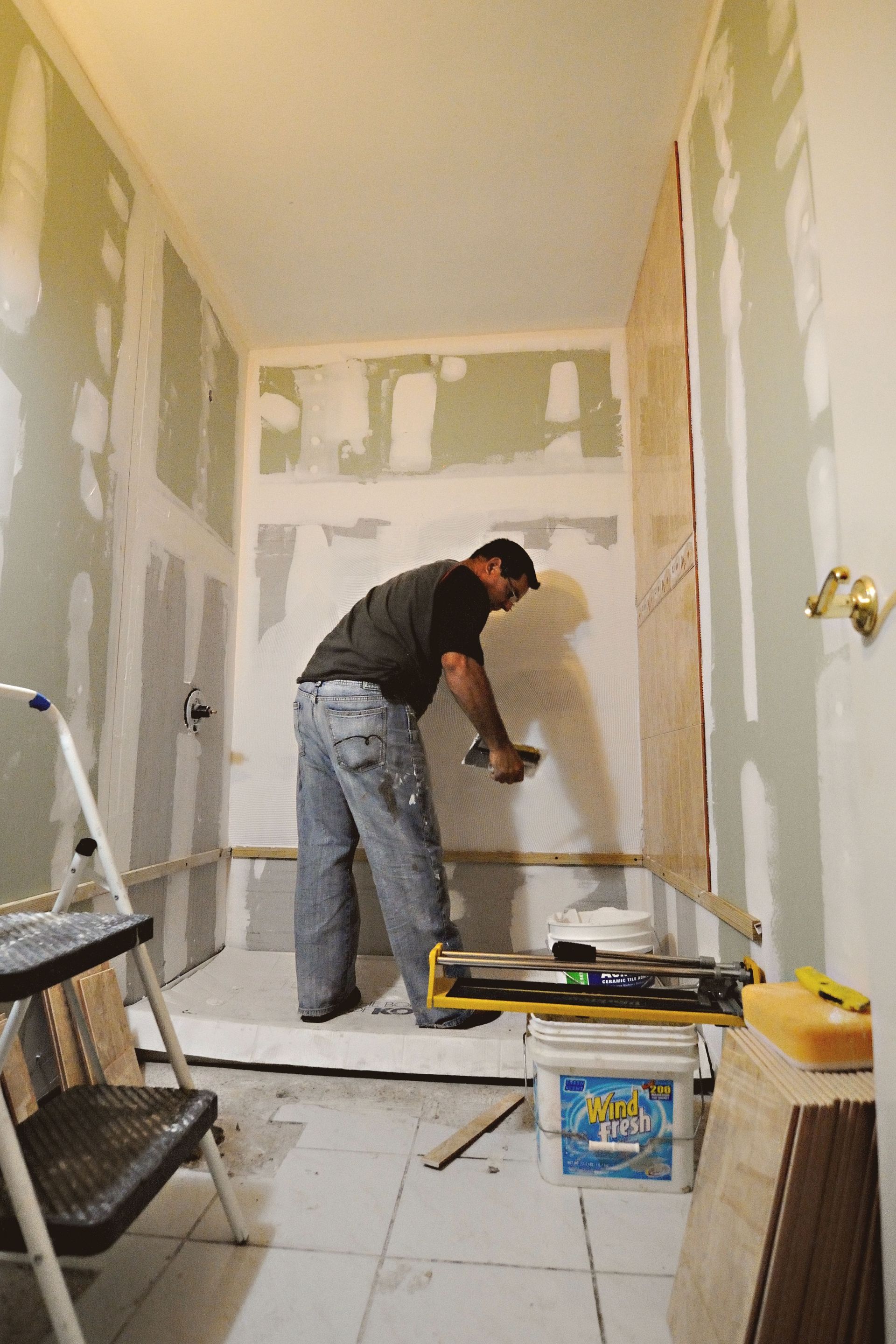
That matters specifically for remodeling, because a basement that's been "fine" for decades as unfinished storage space can still have low-grade moisture intrusion that only becomes obvious once you start opening up walls, pulling old paneling, or lifting flooring that's been sitting on a damp slab. A remodel is often the first time anyone has really looked behind the finishes in years, so it's also often the first time a mold problem gets discovered.
Signs of a Mold Problem Before You Start Demo
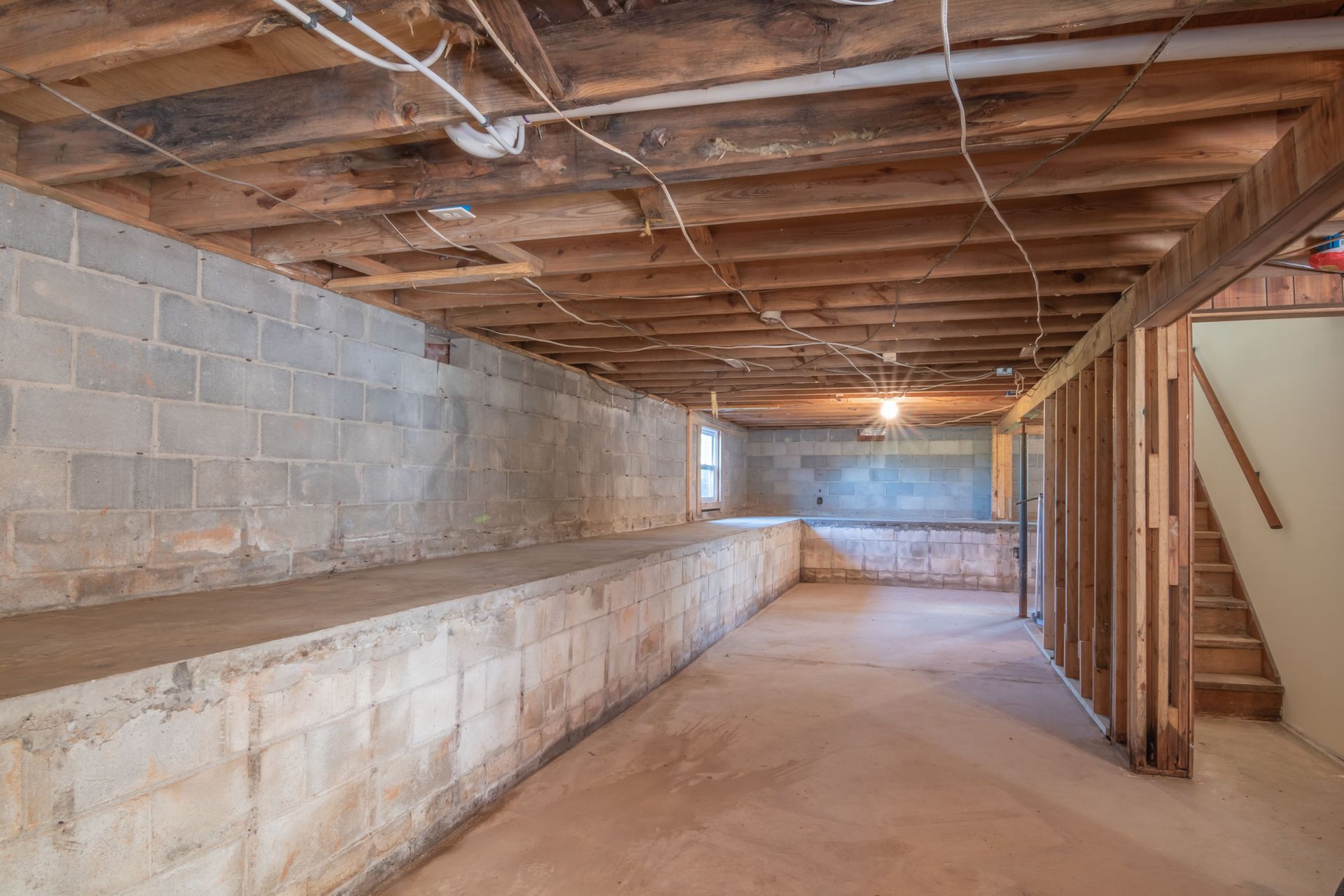
You don't need to wait for your contractor to find something to start looking yourself. Before your basement remodel begins, walk the space and check for a musty, earthy smell that's stronger in one area than the rest of the room, since smell is often the earliest sign of a problem that isn't visible yet. Look for discoloration on drywall, wood framing, or the underside of subflooring, particularly near exterior walls, around window wells, and anywhere pipes or ductwork pass through the foundation.
Pay close attention to any spot where you've noticed water before, even briefly, such as a sump pump that's backed up once, a washing machine hose that leaked, or a spring where the corner of the basement felt damp after heavy rain. Old carpet, cardboard boxes, and stored furniture that have sat directly on a concrete floor are also common hiding spots, since cardboard and untreated wood are food sources for mold growth once moisture is present.
What the EPA Says: DIY Cleanup vs. Calling a Professional
The EPA's guidance is more specific than most homeowners expect, and it's a useful gut check before you decide how to handle what you find. Per the EPA's Brief Guide to Mold, Moisture and Your Home, if the moldy area is less than about 10 square feet, roughly a 3-foot by 3-foot patch, homeowners can generally handle the cleanup themselves following EPA's guidelines. Above that size, or if the mold has spread into HVAC ductwork, insulation, or a larger section of framing, the EPA's guidance points toward bringing in a professional.
The same EPA guidance notes that using bleach or another biocide is not recommended as a routine cleanup practice, since killing mold doesn't remove the allergens and irritants it leaves behind; the mold itself still needs to be physically removed. For any cleanup involving a meaningful amount of tear-out, EPA and CDC guidance developed for mold cleanup work recommends at minimum an N-95 respirator, with a half-face or full-face respirator for more extensive removal ( EPA, HUD, FEMA, NIH & CDC, Homeowner's and Renter's Guide to Mold Cleanup). If your basement remodel involves ripping out old paneling, drywall, or subflooring across more than a small patch, that's the threshold where it stops being a weekend DIY job and starts being a job for a licensed remediation contractor, ideally one who coordinates directly with your remodeling contractor so the two scopes of work don't conflict.
What Happens If You Skip Mold Remediation During a Remodel
It's tempting to just build over a mold problem, especially once a remodel is already underway and everyone wants to keep moving. That decision tends to cost more later than it saves now. Framing new walls or laying new flooring over an unresolved moisture source doesn't stop the mold, it just hides it behind finishes that are more expensive to open back up the second time. In a finished basement, that often means cutting into new drywall, pulling out new flooring, and in some cases removing insulation that's already been installed, on top of whatever the original remediation would have cost.
There's also a disclosure angle worth thinking about if you plan to sell the home eventually. A basement remodel is exactly the kind of project a future home inspector looks at closely, since finished basements can conceal exactly the kind of moisture and mold issues buyers ask about. Addressing it properly during the remodel, while the walls are already open and the cost of access is already built into the project, is almost always cheaper than addressing it later.
How Mold Remediation Fits Into Your Basement Remodel Timeline
If mold is found once your remodel is underway, remediation typically has to happen before framing, insulation, or drywall goes back in, which means it becomes a checkpoint in your project schedule rather than a separate project. For a contained, professionally remediated area, that's often a matter of a few days added to the front end of the job. It's a smaller delay than most homeowners fear, and it's a far smaller delay than discovering the same problem after the room is finished.
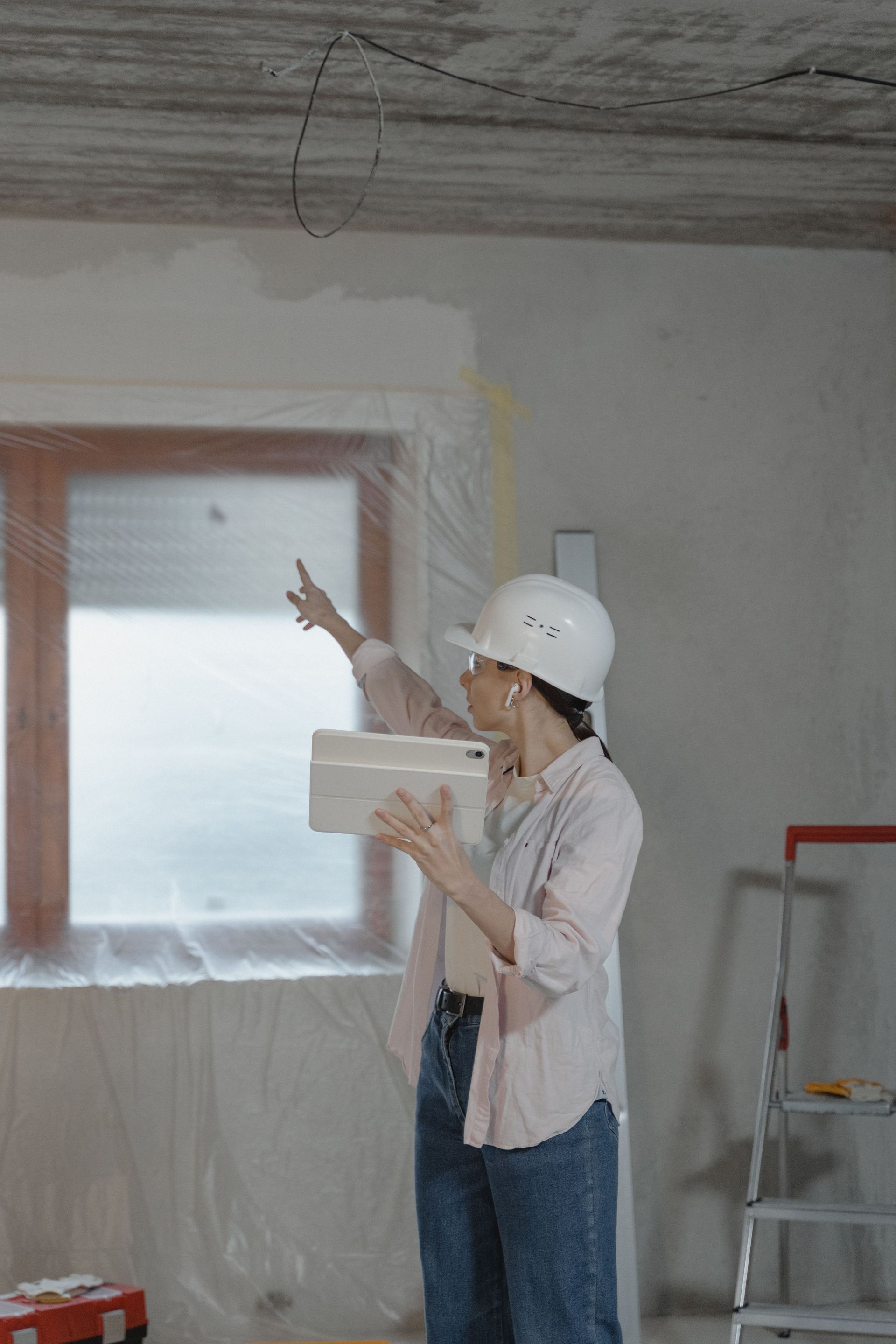
This is one of the reasons a pre-remodel walkthrough matters. When your remodeling contractor and, if needed, a mold remediation specialist can assess the space before a full demo schedule is locked in, moisture issues get built into the plan instead of discovered mid-project. At CLE Remodeling Co., a family-owned, Cleveland-based remodeling company with 30-plus years of construction experience and more than 500 completed basement projects, that kind of upfront assessment is part of how we scope a basement remodel before work begins, precisely because Cleveland's older basements so often have a moisture story worth checking first.
Preventing Mold From Coming Back After Your Remodel
Remediation solves the mold that's already there; it doesn't solve the moisture that caused it, so prevention has to be part of the plan for your finished space. That starts with confirming your sump pump and any perimeter drainage are working correctly before finishes go in, since a functioning drainage system is the single biggest factor in keeping a Cleveland basement dry long-term. A dehumidifier sized for the square footage of your finished basement, and ideally tied into your HVAC system or run continuously during Cleveland's humid summer months, is worth the modest ongoing cost compared to another remediation down the road.
Ask your contractor what moisture-resistant materials are being used behind the finished surfaces, including vapor barriers on foundation walls, mold-resistant drywall in areas near plumbing, and flooring rated for below-grade installation rather than standard hardwood or carpet padding that traps moisture against the slab. None of this is complicated once it's part of the plan from the start; it's simply easy to skip when a remodel is focused on the visible finishes instead of what's happening behind them.
Frequently Asked Questions
Can I just paint over mold instead of remediating it?
No. Paint, including mold-resistant paint, doesn't kill or remove existing mold, and it can trap moisture behind it, making the underlying problem worse. The EPA's guidance is clear that the mold itself needs to be physically removed, not sealed over.
How do I know if I need a mold inspection before starting my basement remodel?
If you've noticed a musty smell, past water intrusion, or visible discoloration anywhere in the basement, it's worth having it assessed before demo begins rather than waiting for your contractor to find it mid-project. If there's no history of moisture and no odor, a routine pre-remodel walkthrough with your contractor is usually sufficient.
Does homeowners insurance cover mold remediation during a remodel?
It depends on the cause. Most standard policies cover mold that results from a sudden, covered event like a burst pipe, but not mold from long-term humidity or a pre-existing leak. Check with your insurer before assuming coverage, and keep any remediation documentation for your records either way.
Will mold remediation delay my basement remodel start date?
For a contained area, remediation is typically measured in days, not weeks, and it happens before framing and drywall go in rather than interrupting work that's already finished. Building it into your project timeline from the start, rather than discovering it mid-remodel, is the best way to keep your overall schedule intact.
Cleveland's older housing stock makes basement moisture more of a "when" than an "if" for a lot of homeowners, but it's a manageable part of a remodel when it's addressed early rather than built over. If you're planning a basement remodel and want a contractor who checks for it upfront, get a free quote from CLE Remodeling Co., and see more of what a finished Cleveland basement can look like from our team on our project portfolio. For related reading, see what basement finishing costs in Cleveland, what Ohio requires for basement egress windows, whether your remodel needs a permit, and the EPA's lead paint rules for older Cleveland homes, another hazard worth checking for before you open up old walls.