Builder's Risk Insurance for Homeowners: What Cleveland Remodels Need
Most Cleveland homeowners assume that once a contractor starts tearing out cabinets or opening up a wall, their existing homeowners policy has them covered. In most cases, it doesn't. Standard homeowners insurance is built to protect a finished, occupied house — not an active job site with exposed framing, materials stacked in the driveway, and crews coming and going every day. That gap is exactly where a claim can go wrong, and it's worth understanding before your kitchen remodel, bathroom remodel, or larger project gets underway.
Does Your Homeowners Insurance Actually Cover a Remodel?
According to AAA Club Alliance, a standard homeowners policy is built around three core protections: dwelling coverage, personal property coverage, and liability coverage all designed around a completed, occupied home. For smaller updates, like repainting a room or swapping out fixtures, that existing coverage may be enough to handle accidental damage or theft of materials. For anything structural a home addition, a basement remodel, or a whole-house renovation — the gaps get real.
Rocket Mortgage puts it plainly: standard homeowners policies typically exclude the unique hazards of an active construction site, and if a partially built wall is destroyed by wind or a new foundation is damaged before the house is enclosed, a standard claim is likely to be denied. That's the specific coverage gap builder's risk insurance is designed to close.
What Builder's Risk Insurance Covers That Your Policy Doesn't
Builder's risk (sometimes called course-of-construction insurance) is a temporary policy that protects a home and the materials on-site while a project is underway. It's not a replacement for your permanent homeowners policy it's a bridge that covers the period your regular policy doesn't.
Hard Costs: The Structure, Materials, and Job Site
Per Rocket Mortgage, the core of a builder's risk policy covers the physical structure itself foundation, framing, roofing, against fire, wind, hail, theft, vandalism, and falling objects, along with the materials, fixtures, and equipment on-site. That last part matters more than most homeowners expect: lumber, cabinetry, and appliances staged in a garage or driveway ahead of installation are common theft targets on active job sites, and a standard homeowners policy offers only limited protection for them.
Cleveland's construction season adds another wrinkle. Winter lake-effect snow and ice, along with the spring storms that roll through Northeast Ohio, are exactly the kind of wind- and weather-driven events Rocket Mortgage lists among the perils a builder's risk policy is meant to absorb. A project that sits open through a Cleveland winter carries more exposure than one that wraps before the first hard freeze, which is one more reason to have coverage in place before the framing goes up, not after.
Soft Costs: Delays, Loan Interest, and Inspections
Builder's risk policies can also reimburse "soft costs" the financial fallout when a covered loss pushes your timeline out by weeks or months. Rocket Mortgage lists loan interest, additional inspections, and architect fees as examples of costs that can pile up if a fire or storm forces a project to restart mid-way through.
When Cleveland Homeowners Actually Need This Coverage
Not every project needs a dedicated policy. AAA Club Alliance's guidance draws the line at scope: smaller updates like new flooring or a repainted room are often fine under your existing policy's accidental-damage protection. Larger or structural work, additions, load-bearing changes, or a kitchen remodel gutted down to the studs is where a standalone builder's risk policy, or at minimum a "dwelling under renovation" endorsement added to your existing policy, becomes the safer call.
There's also a local wrinkle worth knowing. The City of Cleveland's Building and Housing Department requires that any contractor doing home building or rehab work in the city be bonded, insured, and registered before work begins, and it directs homeowners to call the department directly to verify a contractor's registration before signing anything. That's a separate requirement from your own coverage, but it's the same underlying idea: don't assume insurance is in place just because a project is underway. Confirming your contractor is properly licensed and reviewing Cleveland's permit requirements up front are both worth doing before your project starts, alongside your insurance review.
Can You Just Rely on Your Contractor's Insurance?
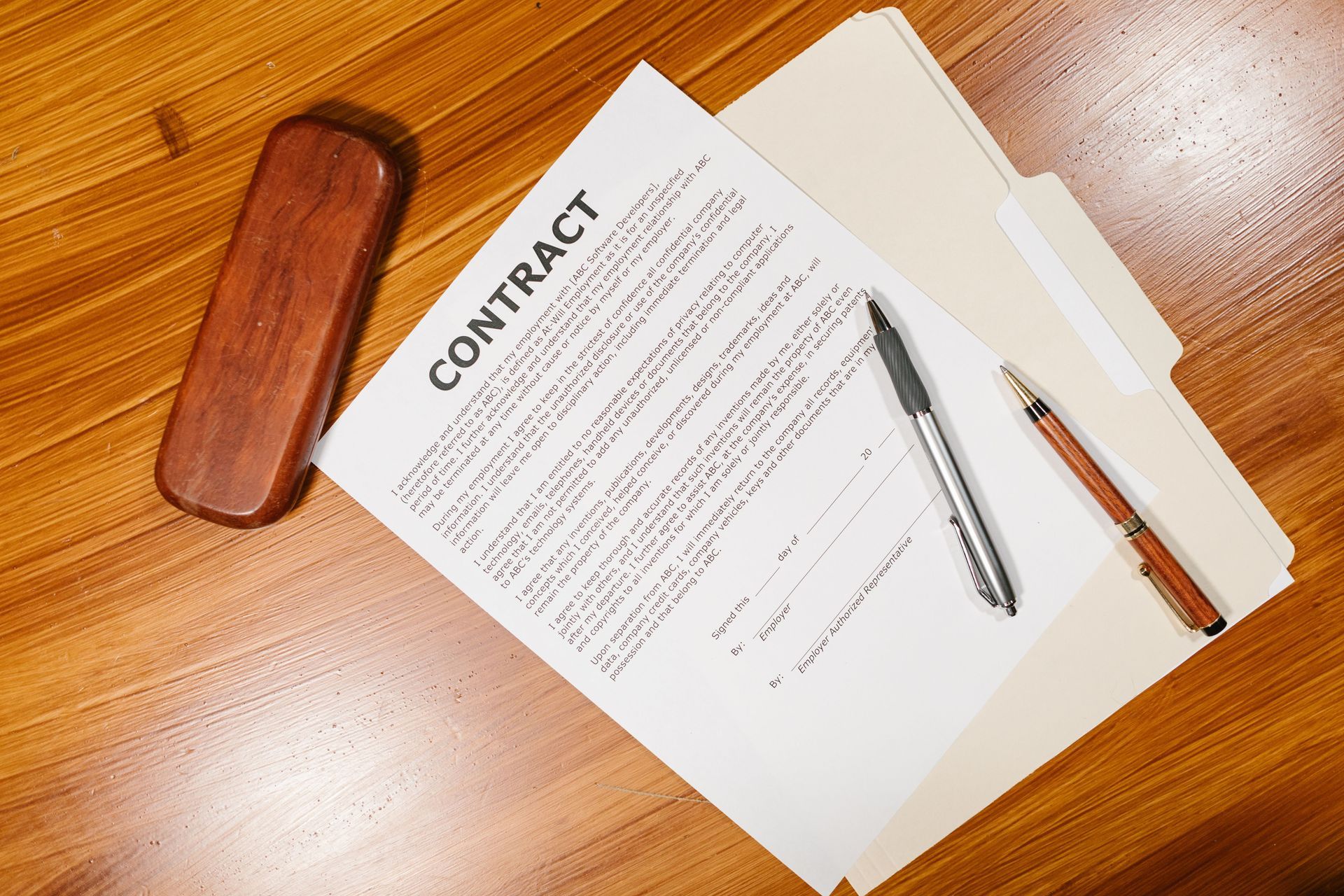
This is the assumption that causes the most expensive surprises. Rocket Mortgage is direct about it: a general contractor's liability and workers' compensation insurance covers their business and their employees it does not cover your physical structure if a storm damages it before the house is enclosed. AAA Club Alliance echoes this, noting that contractor negligence or substandard work should be covered by the contractor's own liability policy, but that homeowners should always confirm coverage in writing before work begins rather than assume it.
Ohio law backs up why that verification matters. Under the state's Home Construction Service Suppliers Act, residential contractors are required to carry at least $250,000 in liability insurance and to attach proof of that coverage to their contracts, according to Truax Law Group, an Ohio construction law firm. A contractor who can't produce that documentation isn't just a red flag for your project it can also mean they've fallen outside the protections that law is meant to provide. It's a good reason to work through a list of questions before you hire a contractor rather than taking insurance claims at face value.
What Builder's Risk Insurance Costs and How Long It Lasts
Cost scales with the size of the project. Rocket Mortgage estimates builder's risk premiums typically run 1% to 5% of the total construction budget, depending on the property, location, and scope of work. Policy terms are built to match a project's timeline rather than run indefinitely: US Assure notes that renovation-focused builder's risk policies commonly run 6, 9, or 12 months, with extensions available through underwriting if a project runs long, while new-construction policies typically start at a 12-month term.
The premium isn't the only number worth comparing. Rocket Mortgage recommends homeowners look past the sticker price of a quote and check the coverage limit for the main structure, the deductible they'd owe out of pocket on a claim, and which hazards are excluded outright since a cheaper policy with a high deductible or a short list of covered perils can end up costing more than a slightly pricier one if something actually goes wrong.
For homeowners weighing whether the added premium is worth it, it helps to first know what the project itself is likely to cost. Our real Cleveland renovation cost breakdowns are a useful starting point for sizing up both the construction budget and the insurance conversation that should go with it.
A Pre-Remodel Insurance Checklist for Cleveland Homeowners
- Call your insurance agent before signing a contract and ask specifically what your current policy covers during construction — not just after it.
- Ask whether a "dwelling under renovation" endorsement or a standalone builder's risk policy fits your project better.
- Get written proof of your contractor's liability insurance, and confirm it meets Ohio's $250,000 minimum under the Home Construction Service Suppliers Act.
- Verify your contractor is registered with the City of Cleveland's Building and Housing Department before work begins.
- Once the project wraps, update your dwelling coverage limit to reflect the home's new replacement cost — AAA Club Alliance notes this is a step homeowners commonly forget after a major renovation.
Frequently Asked Questions
Does my homeowners insurance cover damage during a remodel?
Usually only in a limited way. Standard policies are built around a finished, occupied home, so structural damage to an unfinished addition or a partially demolished room is often excluded. Smaller cosmetic updates are more likely to be covered under existing accidental-damage protection.
Can I rely on my contractor's insurance instead of getting my own policy?
No. Your contractor's liability insurance protects their business and employees, not your physical structure. You need your own coverage, whether that's a renovation endorsement or a standalone builder's risk policy, to protect your investment in the home itself.
How much does builder's risk insurance cost for a Cleveland remodel?
Typically 1% to 5% of the total construction budget, according to Rocket Mortgage, though the exact rate depends on your project's scope, location, and materials.
How long does a builder's risk policy last?
Most renovation policies run 6 to 12 months, matched to your project's expected timeline, with extensions available if the work runs longer than planned.
Every remodel starts with a plan for the work. It should also start with a plan for what happens if something goes wrong while that work is underway. If you're weighing a kitchen, bathroom, or larger renovation in Greater Cleveland, CLE Remodeling Co. can walk you through what your project will actually involve so you and your insurance agent can plan for it properly. See what other Greater Cleveland homeowners say about working with us, or get a free estimate to start the conversation.