Lead Service Lines in Cleveland, OH: What Homeowners Need to Know Before You Remodel | CLE Remodeling Co.
If your Cleveland-area home was built before the late 1940s, there's a decent chance part of the pipe carrying water into your house is made of lead and you may not know it. Cleveland Water has spent decades working to reduce that risk, and in 2023 it launched a program that will replace many of those lines for free. If you're planning a kitchen, bathroom, or basement remodel in Cleveland, Shaker Heights, Lakewood, Cleveland Heights, or one of the other Greater Cleveland communities we serve, this is worth understanding before the first pipe gets touched.
Cleveland's Older Housing Stock Means Lead Service Lines Are Still Common
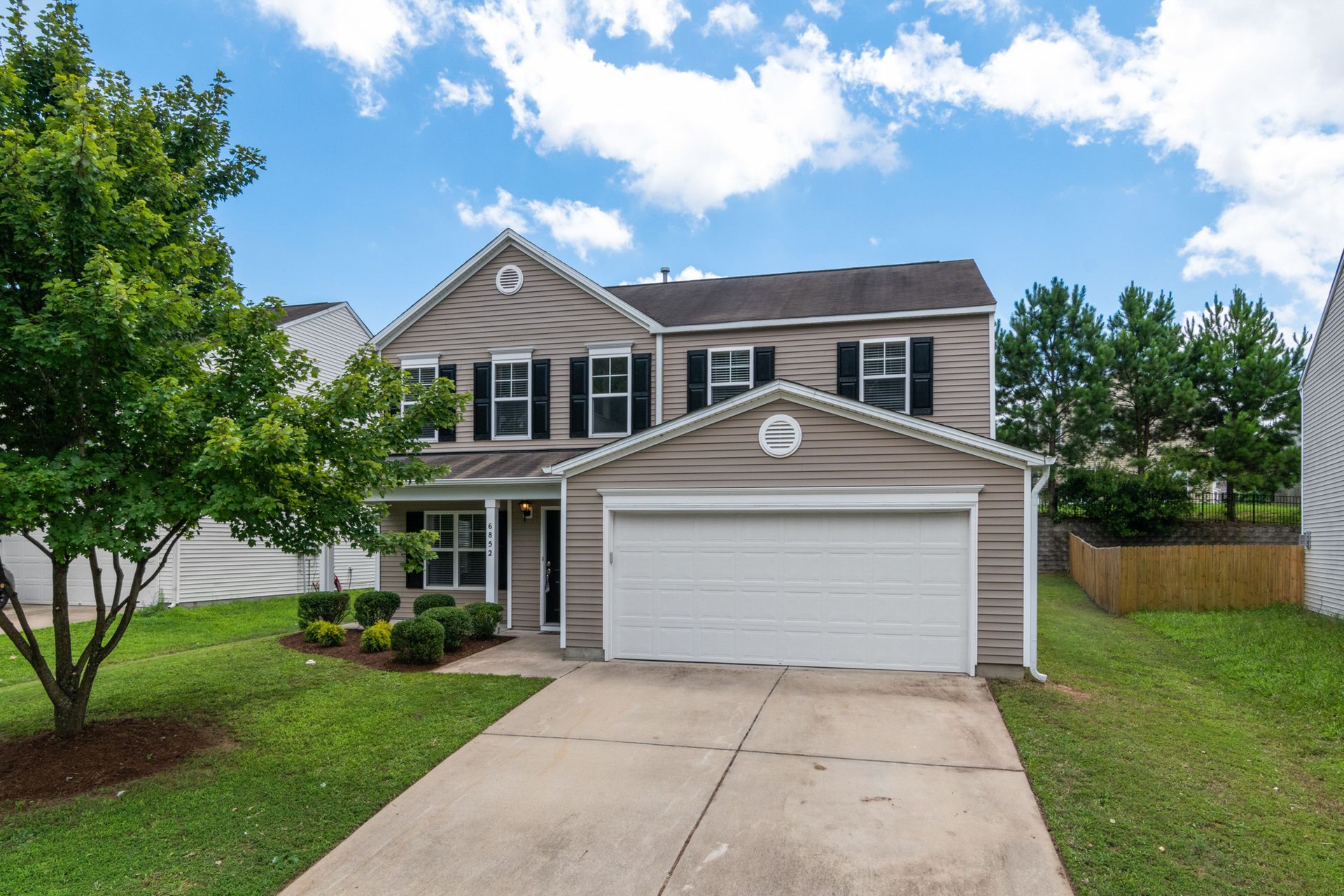
Cleveland Water stopped using lead for the city-owned portion of new service connections in 1948. In general, if your home was built after that year, it's unlikely that the city-owned part of your line is lead. But a huge share of housing in Cleveland, Cleveland Heights, Lakewood, and Shaker Heights predates that cutoff by decades, which is exactly why this keeps coming up for homeowners who reach out to us about a kitchen remodel or bathroom remodel.
It's also not an all-or-nothing situation. A service line actually has two parts: the city-owned section running from the water main to the curb stop (generally located in the tree lawn), and the customer-owned section running from the curb stop into your home. Even on properties where the city-side portion turns out to be lead, the customer-owned side is copper about 91% of the time, according to Cleveland Water's own guidance. So finding out your address has a "lead" flag doesn't automatically mean your entire line is lead — it means it's worth checking both halves.
How to Check What Your Service Line Is Actually Made Of
Cleveland Water built an interactive service line material map that shows the recorded material for both the city-owned and customer-owned segments of your service line you just search your address and click each segment. The catch: as of October 2024, most customer-owned service line material in the city's records was still listed as "unknown," according to Cleveland Water's lead program page, because that information depends on homeowners actually reporting it.
If your connection shows as unknown, Cleveland Water asks you to test it yourself using the magnet-and-penny method, then submit photos through their reporting form:
- Locate where the service line first enters your home typically in the basement, before the main shutoff valve and water meter.
- Scratch the pipe gently with a penny. If it leaves a shiny silver mark, the pipe is likely lead. If it's copper-colored underneath, it's copper.
- Hold a magnet to the pipe. If it sticks, the pipe is galvanized steel, not lead.
This is exactly the kind of check that makes sense to do while you already have someone in the basement — say, during a basement remodel, before addressing basement moisture or mold, or when you're already dealing with a sump pump or water line in that part of the house.
Cleveland Water's Free Lead Service Line Replacement Program
In 2023, Cleveland Water launched a proactive Lead Service Line Replacement Program funded through the federal Bipartisan Infrastructure Law. Under this program, both the city-owned and customer-owned portions of a lead service line can be replaced at no cost to the homeowner as part of planned infrastructure work in your area.
Outside of that scheduled work, Cleveland Water has a longstanding practice of replacing city-owned lead lines during any water main repair or replacement project. And if a customer-owned lead line is disturbed during one of those repairs, the utility will replace that customer-owned portion for free as well. If you'd simply like your line removed and it's confirmed to be lead, you can contact Cleveland Water directly and they'll coordinate replacing the city-owned side at the same time.
None of this requires the homeowner to front the cost of excavation or pipe material, which is a meaningful shift from how lead line replacement has historically worked in a lot of older cities where the customer-owned half of the line was often left as the homeowner's problem and expense. Cleveland Water's Lead Service Line Replacement Team is the group specifically responsible for planning and running these projects community by community, so which streets get scheduled first depends on where infrastructure work is already planned.
Questions about your specific address, the map, or the replacement program go to Cleveland Water's Lead Awareness team at their Lead Inquiry Line, 216-664-2882.
What This Means When You're Planning a Kitchen, Bathroom, or Basement Remodel
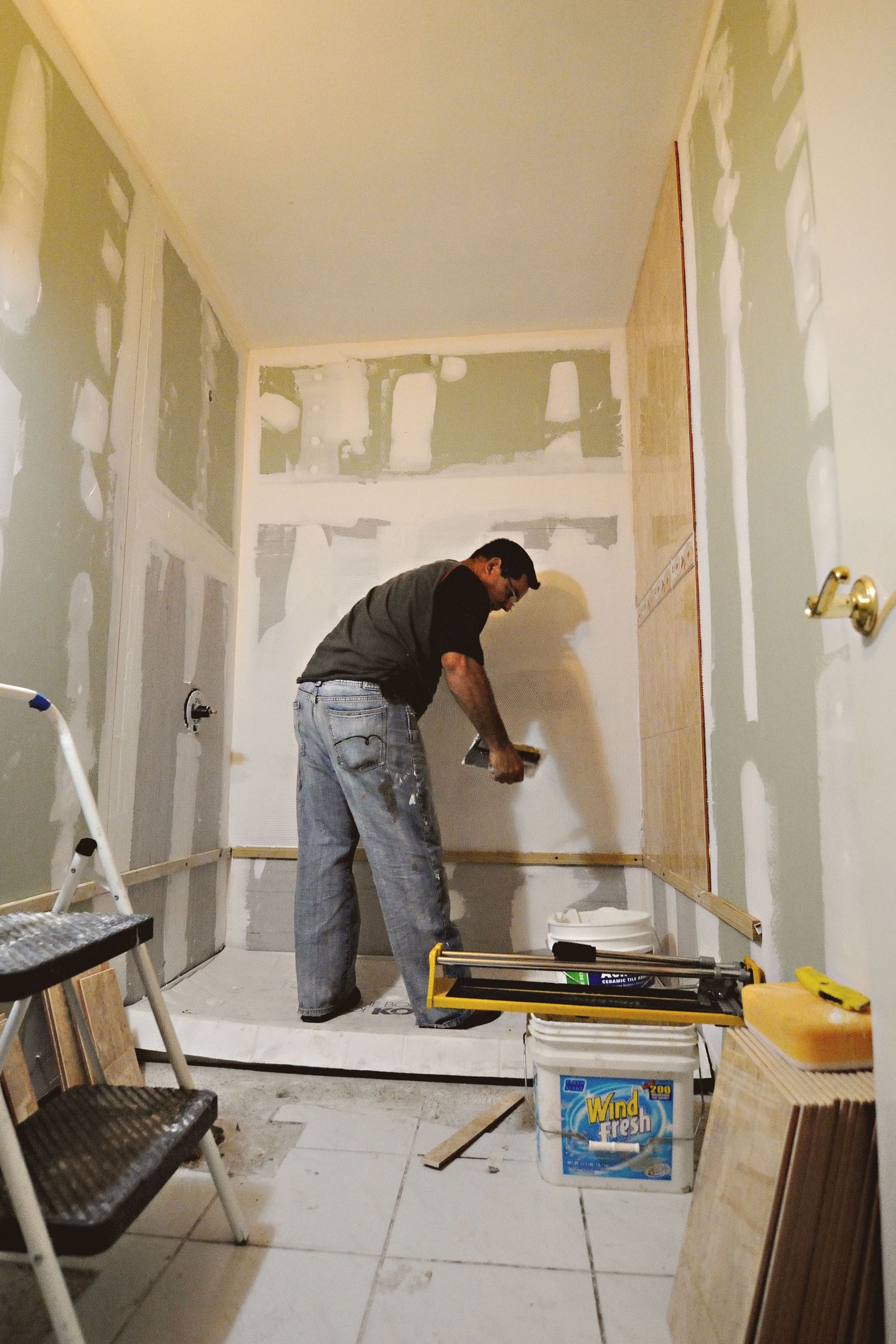
A remodel that touches plumbing a new kitchen layout, a bathroom rebuild, or a finished basement is a natural moment to find out what's behind your walls and under your floor before the drywall goes back up. It's a lot easier to have this conversation at the planning stage of a whole-house renovation than to discover a surprise mid-project.
Checking your service line material doesn't require tearing anything open. In most cases it's the magnet-and-penny test described above, done in a spot your plumber or contractor already needs access to for instance, near where you'd be replacing a water heater or installing a sump pump. We build a walkthrough of your home's existing systems into our process for exactly this reason see our room-by-room renovation checklist for what else we look at before work starts.
Any time work involves opening up plumbing near a service line, it's worth confirming the contractor coordinating that work is properly licensed for the job Ohio has specific requirements here, and we've written a separate guide on how to verify a contractor's license in Ohio before you sign anything.
A Quick Timeline: How Cleveland's Lead Rules Got to Where They Are Today
The current program didn't appear overnight. Here's the sequence, straight from Cleveland Water's own published timeline:
- 1948 — Cleveland Water stops using lead for new city-owned service line installations.
- 1986 — Amendments to the federal Safe Drinking Water Act ban the use of lead pipes for drinking water, cap allowable lead in plumbing solder at under 0.2%, and cap allowable lead in brass fittings and fixtures at under 8%.
- 1997 — Cleveland Water begins adding orthophosphate during treatment, a food-grade compound that forms a protective coating inside pipes. Lead levels in Cleveland Water's system have stayed below the federal action level of 15 parts per billion ever since, and below 5 ppb for more than 15 years — the utility's most recent compliance monitoring showed 90% of samples below 3.15 ppb.
- 2014 — The federal Reduction of Lead in Drinking Water Act tightens the allowable lead content in brass faucets, fittings, and meters to under 0.25%.
- 2018 — New Ohio Administrative Code rules take effect, requiring specific customer notifications, filter offers, and water sampling whenever water line repair or replacement work happens in areas that may have lead service lines.
- 2023 — Cleveland Water launches its proactive, Bipartisan Infrastructure Law-funded Lead Service Line Replacement Program, targeting both city-owned and customer-owned lead connections for free replacement.
FAQ: Lead Service Lines in Cleveland
Is my Cleveland-area home likely to have a lead service line?
It depends mostly on age. If your home was built in 1949 or later, the city-owned portion of your line is unlikely to be lead, since Cleveland Water stopped installing lead in 1948. Older homes in Cleveland, Lakewood, Cleveland Heights, and Shaker Heights are more likely candidates — but the only way to know for sure is to check the interactive map or test the line yourself.
Does Cleveland Water charge homeowners to replace a lead service line?
Under the current program, no. Both the city-owned and customer-owned portions can be replaced for free as part of planned infrastructure work, and the customer-owned portion is also replaced free of charge if it's disturbed during a city water main repair.
Will remodeling my kitchen or bathroom automatically trigger a lead line replacement?
Not automatically, a remodel permit alone doesn't trigger Cleveland Water's program. But since a remodel often means a plumber is already working near where your service line enters the home, it's a smart, low-effort time to test the material and report it if it's unknown.
How do I test my own service line?
Use the magnet-and-penny method where the line first enters your home, typically in the basement and before the main shutoff valve. A shiny silver scratch means lead; copper-colored means copper; a magnet sticking means galvanized steel. You can submit your results and photos through Cleveland Water's reporting form.
Who do I contact with questions about my address?
Cleveland Water's Lead Inquiry Line is 216-664-2882.
Planning a Remodel? Let's Talk About What's Behind Your Walls
We're Todd and Laura Wallace, and for more than 20 years CLE Remodeling Co. has been helping families across Cleveland, Shaker Heights, Rocky River, Westlake, Bay Village, Lakewood, Cleveland Heights, Highland Heights, Solon, Avon, Avon Lake, and North Olmsted turn their homes into places they love. Part of doing that right is a straight conversation about what's actually in your walls and under your floors before we start — including what your service line is made of. If you're planning a kitchen, bathroom, or basement project and want to build that check into the process, reach out to us and let's talk it through.