EV Charger Installation Cost in Cleveland, Ohio: 2026 Guide | CLE Remodeling Co.
What It Actually Costs to Install an EV Charger in Cleveland
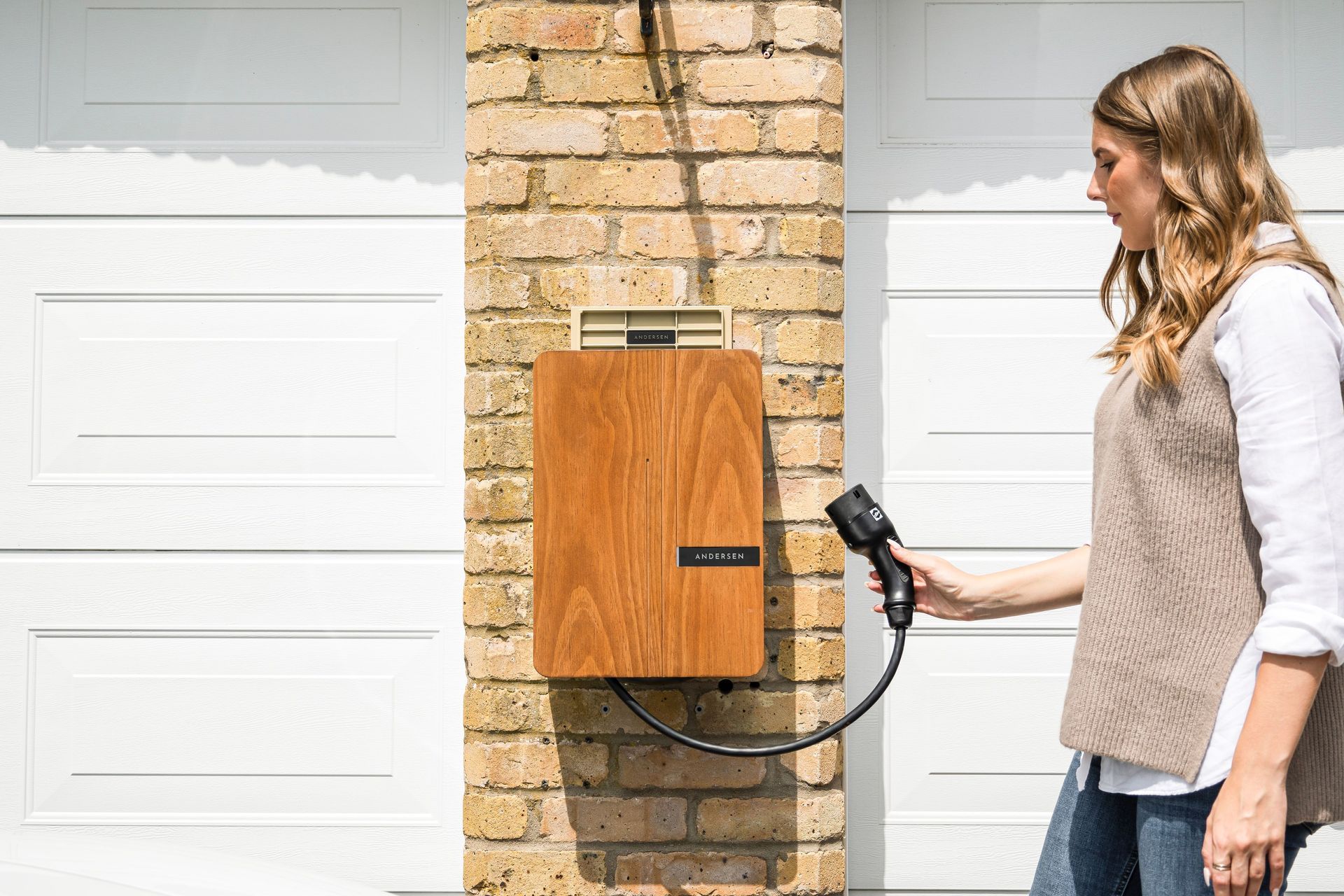
If you just bought an electric vehicle, or you're about to, the first real decision isn't which charger to buy — it's what it will cost to get it installed safely in a Cleveland home. That number moves around more than most homeowners expect, because the charger itself is usually the smallest line item. The installation — running a dedicated circuit, checking your panel, and pulling the right permit — is where the real budget lives.
According to FLO, one of North America's largest EV charging networks, installation costs for a home Level 2 charger typically run $1,000 to $3,000 , not counting the charger hardware itself. Where you land in that range depends on four things: whether you already have a usable outlet, how much spare capacity is in your electrical panel, how far the charger sits from that panel, and what Cleveland's permit process adds to the job. We'll walk through all four, plus two Cleveland-specific wrinkles that national cost guides don't cover — the recent change to the federal tax credit, and what Cleveland Public Power does and doesn't offer.
What Drives the Price: Outlet, Panel, Distance, and Permits
Starting From an Existing Outlet vs. a New Circuit
If your garage already has a NEMA 14-50 outlet — the same style commonly used for a dryer or an RV hookup — a licensed electrician may only need to verify it can safely handle several continuous hours of EV charging draw, which is a very different load than a dryer running for 40 minutes. Per FLO's breakdown, that verification (or installing a new dedicated outlet from scratch) generally costs $50 to $800 . Most Cleveland homes, especially older ones, don't have this outlet already in the garage, so budget toward the higher end of that range if you're starting from nothing.
Electrical Panel Capacity
This is usually the biggest swing factor. A Level 2 charger typically needs a 40–50 amp circuit (some high-output chargers need more), and your panel has to have room for it without exceeding its rated capacity. If your panel is already near its limit — common in Cleveland's older housing stock, where 100-amp panels are still routine — you may need a panel upgrade before the charger circuit can even go in. FLO puts panel-related costs at $200 for straightforward cases up to $3,000 when a full panel upgrade is required. We've covered what that upgrade itself costs locally in our Electrical Panel Upgrade Cost in Cleveland, Ohio guide, which is worth reading first if your home still has its original panel.
Distance From the Panel to the Charger
The farther your charger location is from the panel, the more wire, conduit, and labor it takes to get there — and if that run has to go outside, through finished walls, or under a driveway, costs climb further. FLO estimates $10 to $20 per linear foot for wiring and trenching, which adds up quickly on a detached garage or a panel located on the opposite side of the house from the driveway.
The Federal EV Charger Tax Credit Has Expired for New Installs
Until recently, homeowners installing a Level 2 charger could offset some of that cost with the federal Alternative Fuel Vehicle Refueling Property Credit (Section 30C) 30% of the combined equipment and labor cost, up to $1,000 per charging port. According to the IRS's own guidance, that credit only applies to property "placed in service" between January 1, 2023 and June 30, 2026 . That window has now closed. If your charger goes in today, it doesn't qualify.
It's also worth knowing that the credit was never available to every address, even before it expired: the IRS required the installation to sit inside an eligible low-income or non-urban census tract, verified against published federal tract lists. Plenty of Cleveland homeowners who assumed they'd qualify never actually would have. If you're weighing the cost of an EV charger against other 2026 renovation plans, our Energy Tax Credits for Home Improvements Are Gone in 2026 guide covers the broader picture of which federal incentives are still standing this year and which ones aren't.
Cleveland Public Power Customers: No Charger Rebate (For Now)
Some electric utilities around the country offer their own rebate for installing a home Level 2 charger, separate from the federal credit. If you're a Cleveland Public Power customer, it's worth knowing that isn't currently one of them: CPP's own list of current initiatives covers LED streetlight conversion, the youth Solar Sprint program, its intern-apprentice pipeline, and its hydro, solar, and wind investments — but no EV charger incentive. That could change, and it's worth a quick call to CPP before you install to confirm nothing new has been added. For now, plan your budget around the full, unsubsidized installation cost.
Do You Need a Permit? Cleveland's Electrical Permit Rules
Yes. Installing a Level 2 EV charger means adding a new dedicated circuit and, in most cases, new electrical equipment at your panel — and the City of Cleveland's Building and Housing Department is explicit that electrical permits are required for electrical work, fixtures, and equipment, both new and temporary. There are two paths to getting one:
- Hire a licensed contractor. The electrician has to be bonded, insured, licensed with the State of Ohio, and registered with the City of Cleveland, and they'll typically pull the permit as part of the job.
- Self-permit as a homeowner. The City allows homeowners to apply directly using a homeowner's affidavit, without needing to be a registered contractor — though you're still on the hook for the work meeting code.
Skipping the permit isn't a shortcut worth taking. Unpermitted electrical work can complicate a home sale, void parts of your homeowners insurance in a fire claim, and in Cleveland's older neighborhoods, it can surface during a point-of-sale inspection — something we cover in detail in our guide to point-of-sale inspection requirements in Cleveland Heights, Lakewood & University Heights.
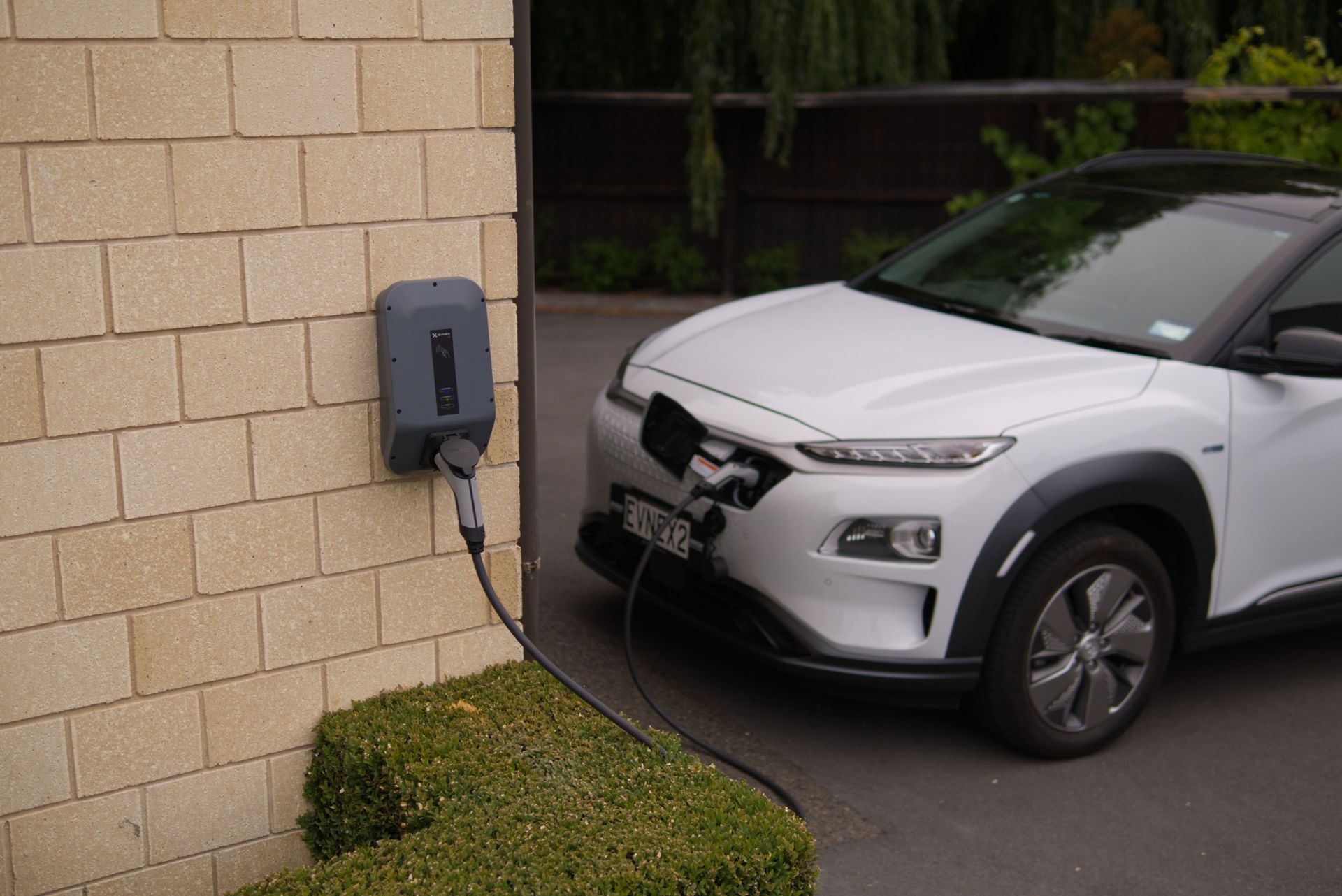
Cleveland's Older Housing Stock: The Panel Capacity Wrinkle
A lot of national EV charger guides assume you're starting with a modern 200-amp panel and plenty of headroom. That's a less safe assumption in Greater Cleveland, where a meaningful share of the housing stock predates today's electrical standards. Homes with older 60–100 amp service, knob-and-tube remnants, or aluminum branch wiring need a licensed electrician to evaluate the whole system before adding a continuous, high-draw circuit like an EV charger — not just the charger circuit in isolation. If your home falls into that category, our guide to knob-and-tube wiring in Cleveland, Ohio homes is a good starting point before you get a charger quote, since it can change the scope of the job significantly.
Choosing the Right Installer
Because this job touches your panel, your home's main circuit capacity, and a permit that a city inspector will eventually sign off on, it's not the place to cut corners on who does the work. Confirm any electrician or contractor is licensed with the State of Ohio and registered with the City of Cleveland before they start — our guide on verifying a Cleveland contractor's license walks through exactly how to check. If the EV charger install is part of a larger project a garage conversion, a driveway replacement, or new construction financing our 2026 home renovation financing guide covers how Cleveland homeowners are budgeting for combined projects this year now that some of the federal incentives have shifted.
CLE Remodeling Co. coordinates licensed electrical work as part of larger Cleveland renovation projects and can help you figure out whether your panel has the headroom for a charger before you commit to a quote. Read more about our approach on our About page, or reach out for a free estimate.
Frequently Asked Questions
How long does a home EV charger installation take?
A straightforward installation with an existing outlet or ample panel capacity can often be completed in a single day. If a panel upgrade is required first, plan for a separate visit and inspection before the charger circuit itself goes in.
Can I install a Level 2 EV charger myself in Cleveland?
Ohio law and Cleveland's permit process allow a homeowner to self-permit electrical work on their own home using a homeowner's affidavit. That said, the work still has to meet code and pass inspection, and a mistake on a continuous high-amperage circuit carries real fire risk — most homeowners are better served hiring a licensed, insured electrician for this specific job.
Does adding an EV charger increase my home's value?
It can be a modest selling point as EV adoption grows, though the impact varies by buyer and neighborhood and isn't something we'd put a specific number on without local resale data. It's best thought of as a convenience upgrade first and a resale nice-to-have second.
What amperage circuit does a Level 2 charger need?
Most residential Level 2 chargers are designed for a 40 to 50 amp dedicated circuit, though some high-output models require more. Your electrician will size the circuit and breaker to match the specific charger you choose.
Plan Your EV Charger Installation With a Local Team
Between the panel capacity questions common in older Cleveland homes, the now-closed federal credit, and the City's permit requirements, an EV charger installation has more moving pieces than the sticker price on a charger suggests. Getting a firm, on-site quote before you buy the hardware is the best way to avoid a surprise mid-project. CLE Remodeling Co. is a family-owned Cleveland renovation team — call (216) 505-0352 or request a free estimate to find out what your specific panel, garage, and driveway layout will actually cost.