Historic District Renovation Rules in Cleveland, Ohio (2026 Guide)
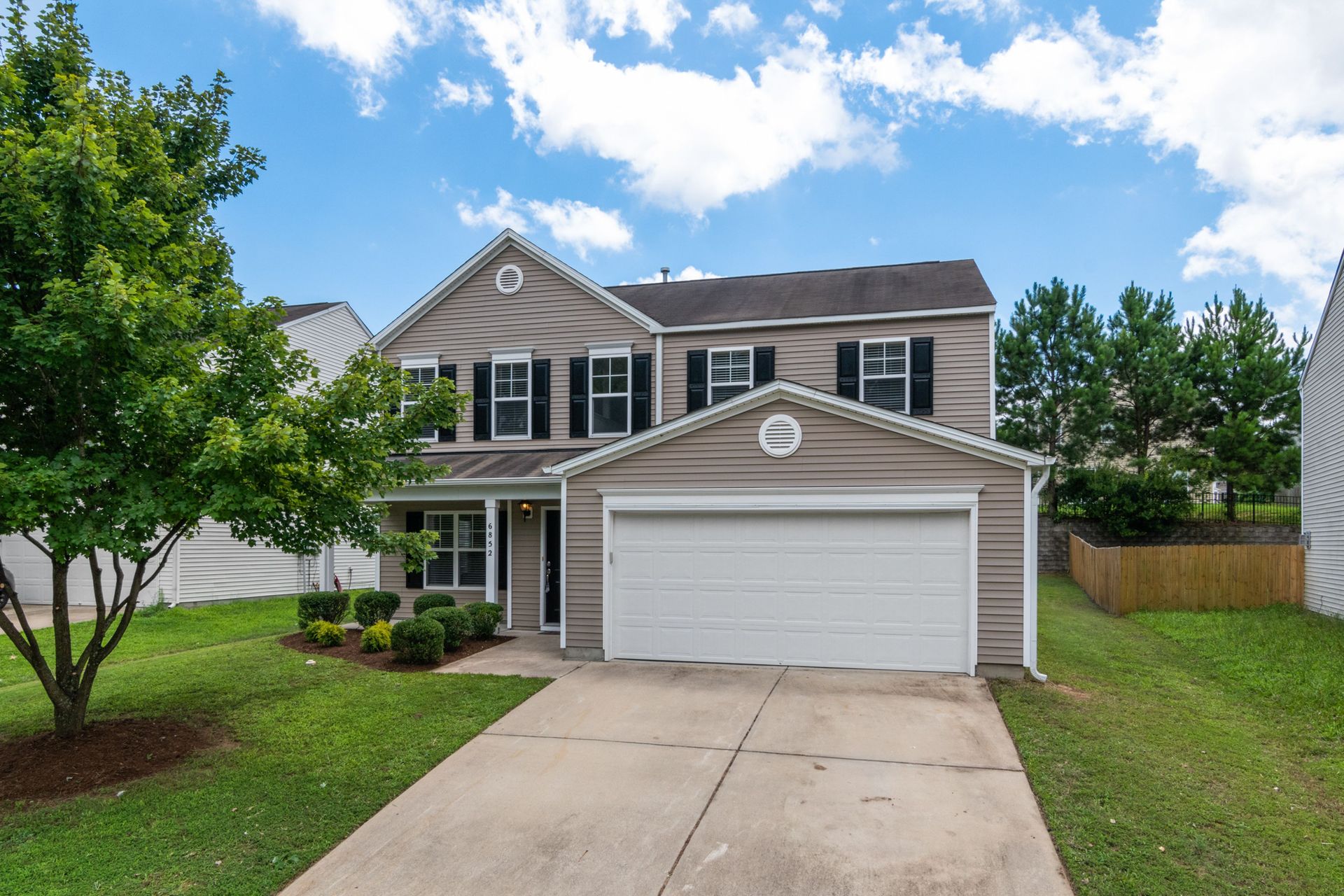
If your Greater Cleveland home sits in a historic neighborhood Ohio City, Tremont, Little Italy, Shaker Square, or one of the city's other designated districts, a kitchen remodel or new siding job isn't just between you and your contractor. The Cleveland Landmarks Commission has a say in what happens to the outside of your house, and skipping that step can stall a project you've already paid for. Homeowners are often surprised to learn how far this reaches: it's not just grand Victorians on postcard-famous blocks. Modest bungalows, mid-century additions, and even garages can fall inside a designated district boundary without an obvious visual cue.
Here's what the rules actually require, what they don't touch, and how the process works if you're planning a renovation in one of Cleveland's protected neighborhoods, plus how it's different if your project is in Cleveland Heights instead of the City of Cleveland proper, which trips up more homeowners than almost anything else in this process.
Is Your Cleveland Home in a Historic District?
The City of Cleveland has 29 locally designated Historic Districts and more than 300 individually designated Landmark buildings, homes, and sites, according to the Cleveland Landmarks Commission. Districts range from well-known names like Ohio City, Tremont, and Playhouse Square to smaller residential pockets like Hessler Court, Clifton/West Boulevard, and Magnolia-Wade Park, some designated as far back as 1975, others as recently as 2016.
Being inside city limits doesn't automatically mean your property is regulated this way. The Commission maintains a GIS Interactive Map specifically so homeowners can check whether a given address falls inside a designated district or is itself a standalone Landmark before they start planning. That five minute check is the first step for anyone budgeting a whole house renovation or exterior project in an older Cleveland neighborhood, it tells you immediately whether the rest of this article applies to you.
What the Landmarks Commission Actually Reviews
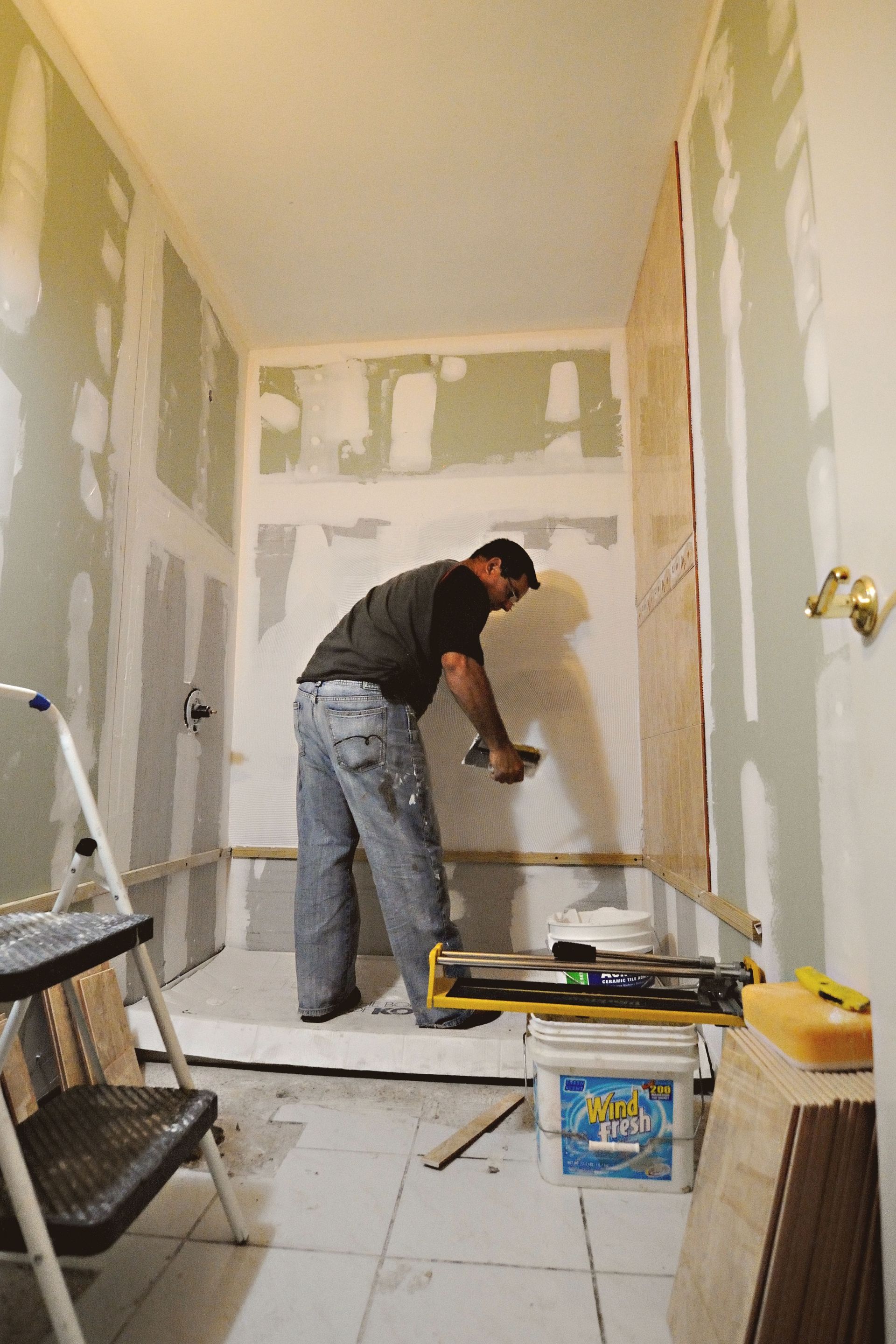
This is the part that trips people up: the Cleveland Landmarks Commission only reviews exterior changes and site work. Interior renovations, a new kitchen layout, updated bathroom fixtures, refinished floors, are not part of its jurisdiction at all. If you're planning a kitchen remodel or bathroom remodel that doesn't touch the exterior walls, windows, or roofline, historic district status generally isn't a factor in your timeline.
Where it does apply is anything visible from the street or affecting the historic character of the building or district: roofing, siding, windows, doors, additions, porches, fences, signage, and demolition. The Commission evaluates proposed exterior changes using the Secretary of the Interior's Standards for the Treatment of Historic Properties: Rehabilitation, and reviews are made case by case, what's appropriate for a Victorian in Ohio City may not be appropriate for a Colonial Revival in Clifton/West Boulevard.
The Certificate of Appropriateness: How Approval Actually Works
Exterior changes to a designated Landmark or a property inside a Historic District go through the Landmarks Commission's design review process, and the city ties permit issuance directly to it, the Commission reviews building and demolition permits for designated properties through the issuance of a Certificate of Appropriateness. In practice, that means a Certificate of Appropriateness needs to be in hand before the city will move your building permit forward for exterior work on a historic property, one more reason to loop in the Landmarks Commission before, not after, you finalize exterior plans.
An 11-member board, architects, historians, property owners, attorneys, a Cleveland City Council representative, the Director of City Planning, and the Commissioner of Architecture, makes up the Commission itself, and it meets on the second Thursday of each month. Most projects are first routed through a neighborhood-level Design Review Advisory Committee, which gives a recommendation before the case goes to the full Commission.
Some Projects Move Faster: Administrative Approval
Not every exterior change requires a full hearing. The Landmarks Commission publishes condensed guide handouts covering roofing, siding, windows, and solar installations specifically so routine, like-for-like projects can be approved administratively by Commission staff instead of waiting for a monthly meeting. A roof replaced with the same architectural shingle type and color, for example, can often be reviewed and approved administratively, but a change in roof style or material typically still needs the full design review process.
The same logic applies to window replacement: durable, appropriate materials such as aluminum-clad wood, fiberglass, composite, or aluminum can often clear administrative review, while changes to decorative windows or primary facades usually require the full Commission process. If you're weighing options before a project like this, it's worth asking your contractor to check which track your specific scope falls into before pricing is finalized.
This distinction matters for scheduling as much as it does for approval odds. A project that qualifies for administrative review skips waiting on the Commission's monthly meeting date entirely, which is one more reason to have your contractor scope the exterior work precisely, down to the material spec, before a design review application ever gets filed. A vague scope ("new siding, color TBD") is harder for staff to approve administratively and is more likely to get routed to the full design review process instead.
Ohio City and Cleveland Heights Have Their Own Local Layers
Several Cleveland neighborhoods add a local design review committee on top of the citywide Commission, to bring neighborhood-specific architectural knowledge into the process. In Ohio City, that's the Historic Ohio City Design Review Advisory Committee, which meets the first and third Thursday of each month; property owners need to get their application in about a week ahead of the meeting date to be added to the agenda, and cases are then referred on to the full Cleveland Landmarks Commission.
It's worth knowing that Cleveland Heights, part of CLE Remodeling Co.'s service area alongside Rocky River, Westlake, and Shaker Heights, is governed by a completely separate Landmark Commission, not Cleveland's. Cleveland Heights created its own seven-member commission under Ordinance 011-2019, appointed by City Council to three-year terms, and it meets at 5:00 p.m. on the first Tuesday of each month rather than the second Thursday that governs the City of Cleveland's process. Cleveland Heights also has its own threshold for creating a new historic district in the first place: more than 50% of property owners in a proposed district have to consent before the city will designate it. If you're planning a Cleveland Heights kitchen remodel or Cleveland Heights bathroom remodel that touches the exterior of a designated property, you're dealing with Cleveland Heights' own process, application portal, and staff — not the City of Cleveland's. Mixing the two up is a common and avoidable delay, especially since both cities use different meeting nights, different application windows, and different staff contacts entirely.
The takeaway for anyone budgeting a project isn't that historic district status makes a renovation impossible, plenty of exterior work qualifies for the administrative track described above. It's that the review step needs to be built into your timeline and your contractor conversation from day one, not bolted on after a design is already finalized and priced.
Interior Work Isn't Held Up — Here's What That Means for Budgeting
Because historic district review is exterior-only, projects like a full interior basement remodel generally proceed on the same timeline they would anywhere else in Greater Cleveland, the design review step simply doesn't enter the picture unless the scope includes egress windows, exterior stairwell access, or other visible changes. That's useful to know when you're sequencing a larger project: interior phases can often move forward while an exterior Certificate of Appropriateness is still working through review, rather than the whole job stalling on one approval.
What does add a layer, regardless of interior/exterior split, is the age of the housing stock itself. Many homes in Cleveland's historic districts predate 1978, which means EPA renovation rules for lead-based paint may apply on top of any Landmarks Commission review — a separate federal requirement worth planning for early rather than discovering mid-project. Between the two, a pre-1978 home in a designated district can have both a federal disclosure/work-practice requirement and a local design review requirement stacked on the same project, so it pays to flag a property's age and district status to your contractor at the very first walkthrough.
Frequently Asked Questions
How do I check if my Cleveland home is in a historic district?
Use the Cleveland Landmarks Commission's GIS Interactive Map to look up your address directly, or contact the Landmarks Commission office before finalizing exterior renovation plans.
Does the Landmarks Commission review interior renovations?
No. The Commission's review only covers exterior changes and site work, interior layout changes, fixtures, and finishes are outside its jurisdiction.
Is Cleveland Heights covered by the same Landmarks Commission as the City of Cleveland?
No. Cleveland Heights operates its own, separate seven-member Landmark Commission under a different ordinance, with its own meeting schedule and application process.
Can routine repairs like a new roof or replacement windows get approved without a full hearing?
Often, yes. The Landmarks Commission offers administrative approval for matching roofing, siding, window, and solar projects that follow its published guidelines, which can move faster than the full design review process.
Renovating inside a Cleveland historic district doesn't have to be a guessing game — it just requires knowing which review applies to your project before you finalize a design, and which city's process governs your address. CLE Remodeling Co. is a family-owned team that's worked on homes across Greater Cleveland's historic and non-historic neighborhoods alike for more than 20 years, and we can help you figure out what your specific project needs before you get a proposal — whether that's a straightforward interior update or an exterior job that needs to clear the Landmarks Commission first. Reach out for a free estimate and we'll walk through it with you.