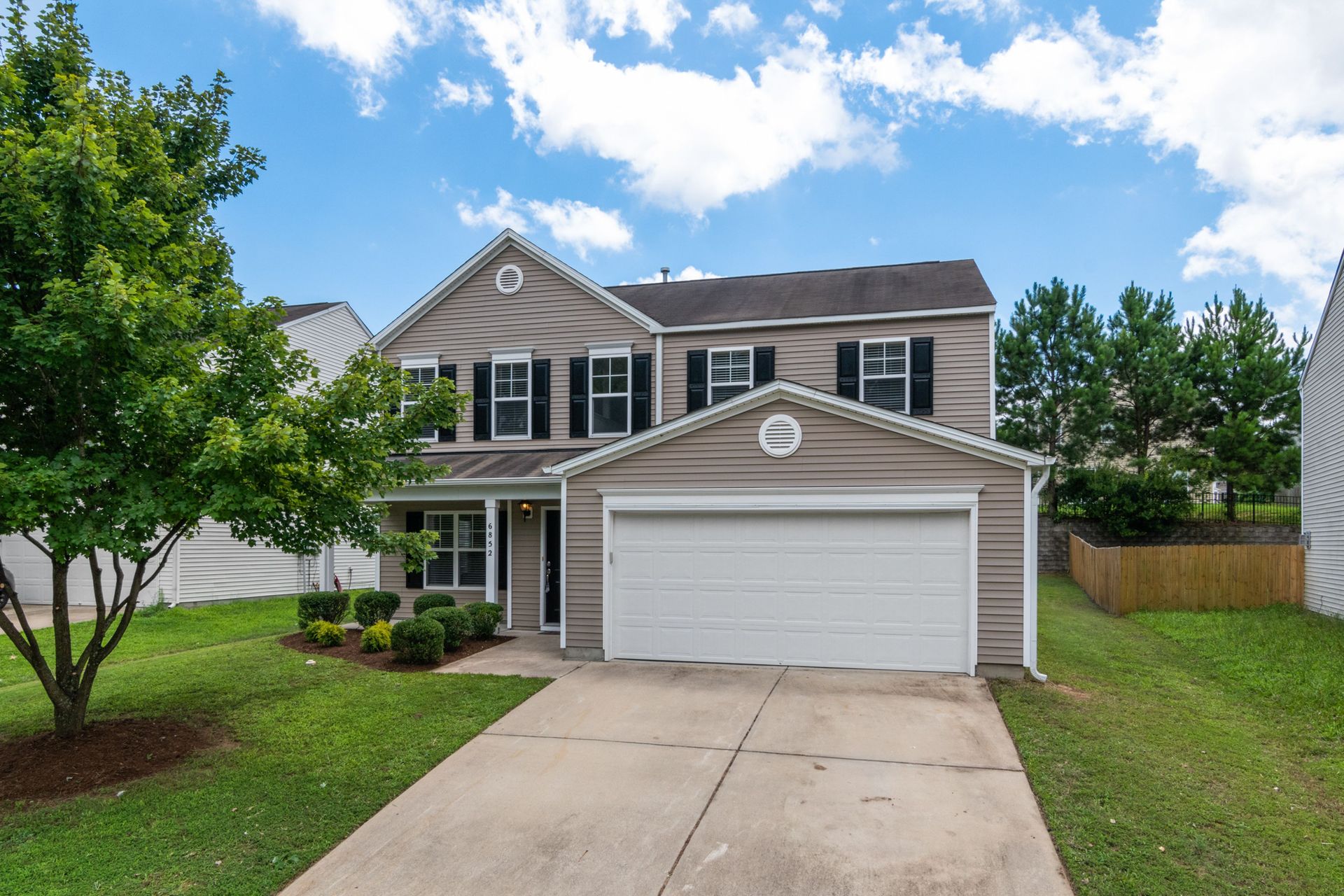
Will a Remodeling Permit Raise Your Property Taxes in Cuyahoga County?
Every Cleveland homeowner asks some version of the same question before they sign a remodeling contract: will pulling a permit make the county raise my property taxes? It's a fair worry, and it's one we hear constantly from clients planning a kitchen remodel, a basement remodel, or a home addition. The honest answer is more specific than most contractors give you, and it's worth understanding before you decide whether to skip a permit to avoid it.
We're not tax advisors, and this isn't a substitute for talking to the Cuyahoga County Fiscal Office about your specific property. But after 20+ years and 1,000+ Greater Cleveland projects, we've walked enough homeowners through this exact conversation to lay out how the county's process actually works, sourced directly from the county's own appraisal department.
How Cuyahoga County Actually Values Your Home
Cuyahoga County doesn't wait for a single trigger event to update your property's value. According to the Cuyahoga County Fiscal Officer's Appraisal Department, the Ohio Revised Code and Ohio Administrative Code require three separate valuation processes running at once: a full reappraisal every six years, an update at the three-year midpoint, and an annual valuation of improvements based on building permits received from each city .
That third piece is the one most homeowners don't know about. The county's own appraisal page states plainly: "Appraisers value any changes to buildings and land. This includes building permits, property splits, and incentives." In other words, your remodel doesn't have to wait for the next sexennial cycle to show up on your tax bill. If your city forwards your permit to the county, it can factor into next year's valuation.
An Increase in Value Doesn't Automatically Mean an Increase in Taxes
One nuance worth holding onto: per the county's own 2024 Sexennial Reappraisal page, "an increase in valuation does not mean your property taxes will increase." Ohio's tax structure involves voted levies and rate adjustments that interact with valuation in ways that don't move in perfect lockstep. It's a real factor, but not the only one.
Which Remodeling Projects Are Most Likely to Move Your Assessment
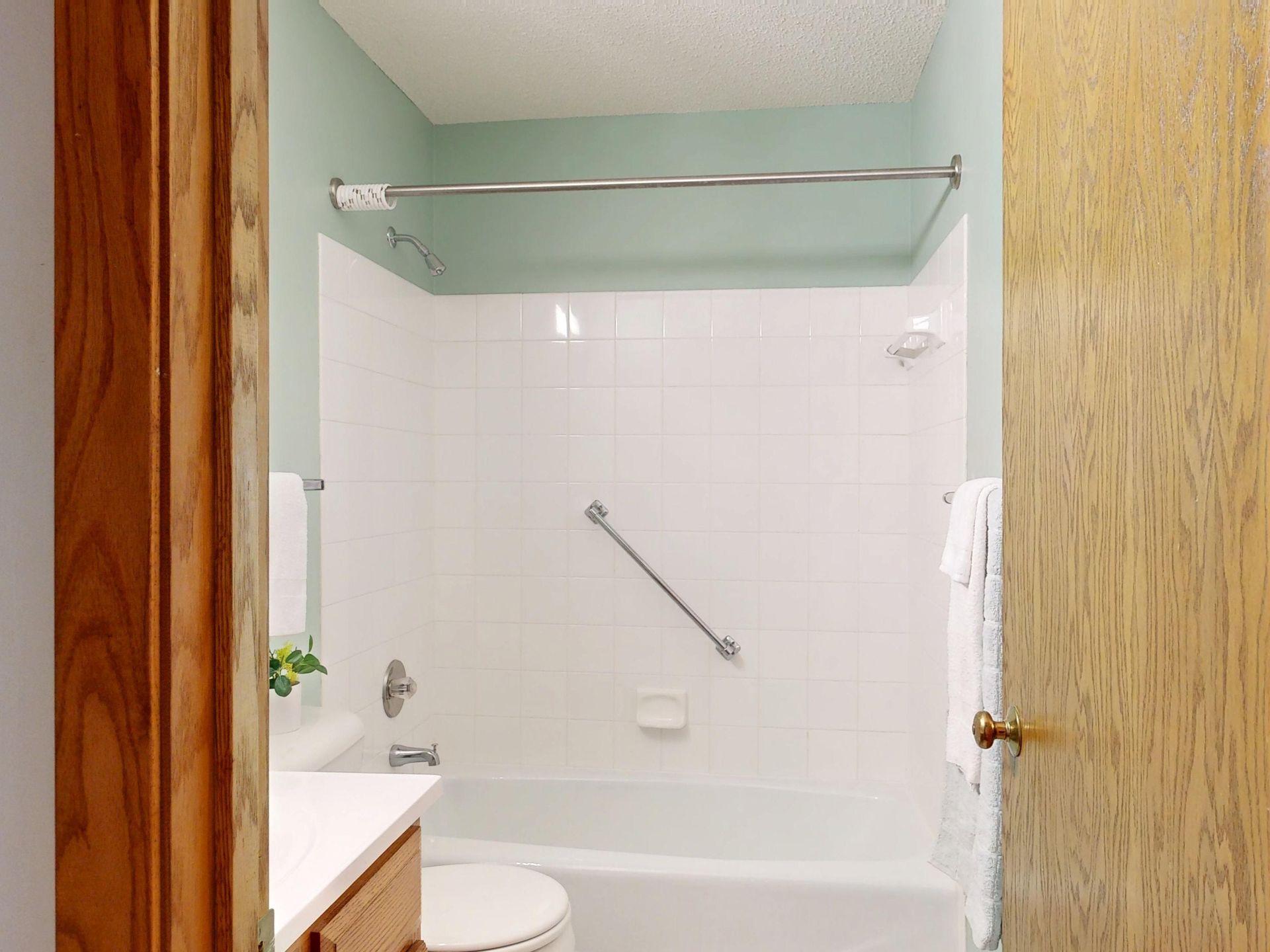
Not every permit carries the same weight. Projects that add square footage or change how a space functions, like a home addition, a finished basement remodel, or a whole-house renovation, are the kind of structural change county appraisers are specifically watching for, since the county's guidance covers "any changes to buildings and land." A bathroom remodel that adds a new full bath where none existed falls in the same category.
Cosmetic work and like-for-like replacement, new countertops, refreshed cabinets, updated fixtures in the same footprint, is a different animal. It typically still requires a permit in Cleveland and most of our service cities (we covered exactly what does and doesn't in our Cleveland permit guide), but it isn't adding new taxable square footage or a new structural feature, which is generally what moves an assessed value the most.
What Happens If You Skip the Permit
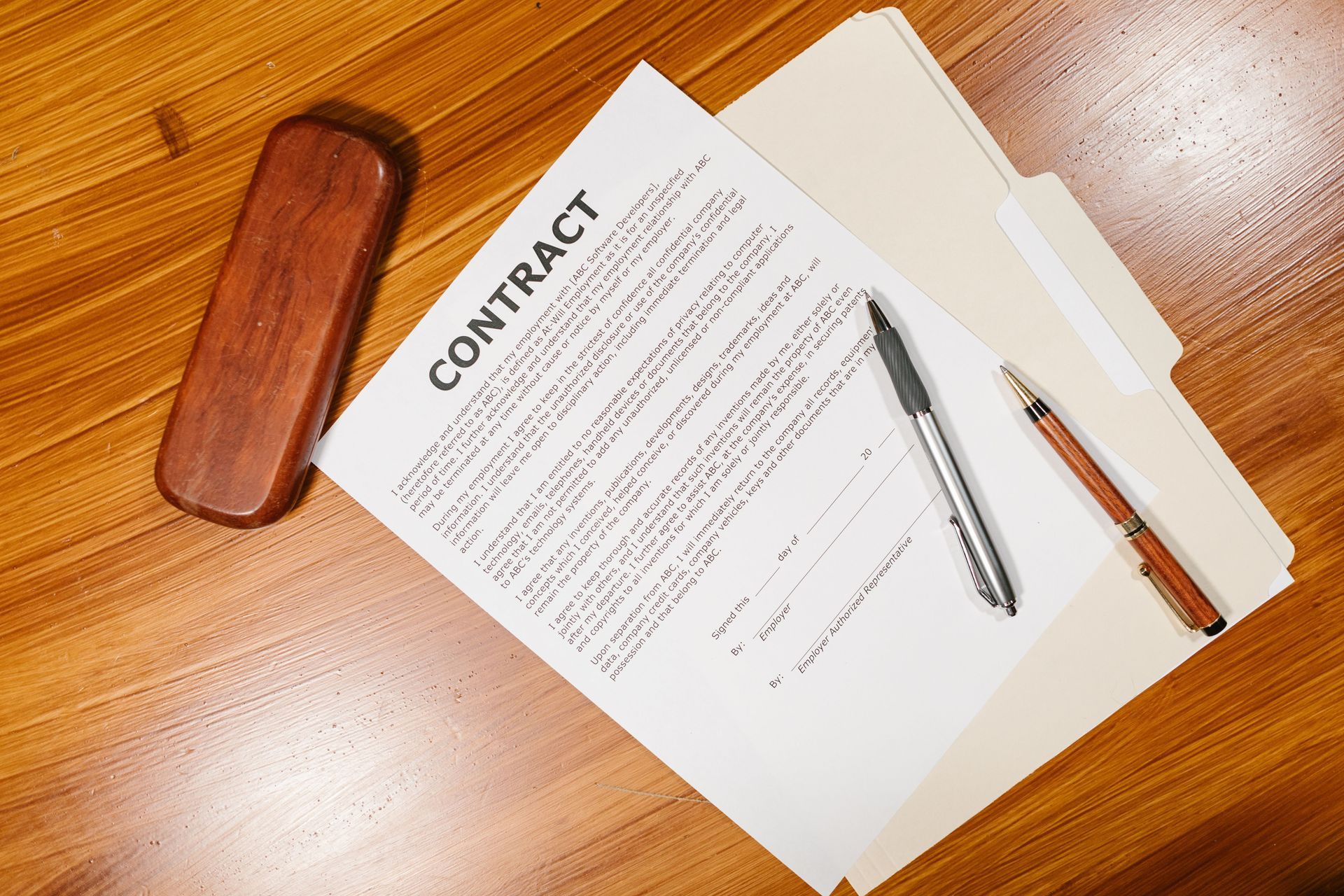
Some homeowners try to sidestep the whole question by not pulling a permit at all. We'd steer you away from that, and not just because of the tax angle. Unpermitted work can surface later through a home sale, a refinance appraisal, or a neighbor complaint, and by then you're dealing with it on someone else's timeline instead of yours. It can also create real problems with insurance claims and resale, issues we've written about in our guide to hiring a licensed Cleveland contractor. A properly permitted project, documented and inspected, is also the strongest paperwork you can hand a buyer or an appraiser down the road.
If Your Value Goes Up, You're Not Stuck With It
If your assessment rises after a remodel and you think the county overshot it, Ohio law gives you a formal path to challenge it. Per the Fiscal Officer's site, the Formal Tax Complaint Process runs January 1 through March 31, 2026 , filed with the Board of Revision at the Cuyahoga County Administrative Building. You'll need documentation to support your case, and the county specifically accepts construction costs certified by your builder or a certified contractor estimate as evidence, not just a recent sale price or appraisal.
That's one more reason to work with a contractor who gives you an itemized, written scope of work rather than a handshake number. If a dispute comes up later, that paperwork is exactly what the Board of Revision wants to see. Questions about your specific situation go to the Fiscal Office at 216-443-7420, option 3, or fiscalquestions@cuyahogacounty.gov.
A Real Cleveland Example of What This Costs

Local outlet Signal Cleveland walked through a worked example using the county's own property tax calculator during the 2024 reappraisal cycle: a $100,000 house in Cleveland that increased in value at the city's average rate would be reassessed at roughly $149,000, moving that year's property tax bill from about $2,645.04 to $3,098.64, an increase of $453.60. That example reflects the citywide average shift during that specific cycle, not what any one remodel adds on its own, but it's a useful sense of scale for how a valuation change translates to real dollars on a bill.
Not Every City We Serve Is in Cuyahoga County
This matters more than it sounds like it should. Cleveland, Cleveland Heights, Shaker Heights, Rocky River, Westlake, Bay Village, Lakewood, Highland Heights, Solon, and North Olmsted are all in Cuyahoga County, so everything above applies to those addresses. Avon and Avon Lake, two other communities we serve, are actually in Lorain County. If your project is in either of those, the same general idea applies, permits and structural changes factor into valuation, but you'd be dealing with the Lorain County Auditor's office, not Cuyahoga County's Fiscal Office. Worth checking which county your parcel sits in before you assume this guide covers you exactly.
The Bottom Line for Your Next Project
A permit itself isn't a tax increase. It's a records hand-off that can factor into how the county values your home, mostly for projects that add real square footage or change a structure, not for cosmetic updates. The bigger financial risk usually isn't the assessment change, it's the resale, insurance, and safety exposure of skipping the permit altogether. If you want to understand what a specific project might mean for your home's value more broadly, our breakdown of renovation ROI data in Cleveland and our home addition cost guide are good next reads.
Have questions about a specific project and what it might mean for your permit and paperwork? Todd and Laura Wallace and the CLE Remodeling Co. team are happy to talk through it before you commit to anything. Schedule a free, transparent estimate and we'll walk you through what your specific project involves.
Frequently Asked Questions
Does every remodeling permit affect my property taxes?
No. The county's annual valuation update is based on permits reported by your city, but the process weighs changes to buildings and land generally. Structural changes and added square footage are the most likely to move your assessed value; cosmetic, like-for-like replacements are less likely to.
What if I just don't pull a permit?
It doesn't reliably avoid a valuation change, and it creates separate risks around resale, insurance claims, and inspections down the road. See our full breakdown in our Cleveland permit guide.
How do I challenge my property value if it goes up too much?
File a Formal Tax Complaint with the Cuyahoga County Board of Revision between January 1 and March 31, 2026, with supporting documentation such as a certified contractor estimate. You can also reach the Fiscal Office directly at 216-443-7420, option 3.
Does this apply to every city CLE Remodeling Co. serves?
It applies to our Cuyahoga County service area, including Cleveland, Cleveland Heights, Shaker Heights, Lakewood, Rocky River, Westlake, Bay Village, Highland Heights, Solon, and North Olmsted. Avon and Avon Lake fall under Lorain County's separate auditor's office.